
Surface Finishes
Chromate conversion coating, more commonly known as chem film or by its brand name Alodine, is a type of conversion coating, used on aluminum as a corrosion inhibitor, as a primerfor paint due to increased adherence or to preserve electrical conductivity.
At ECOREPRAP, we provide Chromate Conversion Coating (Alodine) for aluminum and its alloys as a functional surface treatment to improve corrosion resistance while maintaining the base material’s electrical conductivity. This makes it particularly suitable for applications where grounding, shielding, or electrical contact is required.
Compared to anodizing, Alodine does not form a thick oxide layer. The coating is extremely thin and does not significantly affect part dimensions, which is important for precision CNC machined components and tight-tolerance assemblies.
Our process follows controlled surface preparation, chemical conversion, rinsing, and drying steps to ensure consistent coating quality. It also provides a stable base for secondary finishes such as painting or powder coating by improving surface adhesion.
We support both clear (RoHS-compliant, hexavalent chromium-free) and traditional yellow/gold chromate finishes, depending on application requirements and regulatory needs. The process can be applied to complex geometries and internal features with uniform coverage.
With our machining background, we pay close attention to the interaction between surface treatment and part function, helping ensure that coating performance aligns with the final application.
For more information about Chromate Conversion Coating (Alodine) information, visit our blog: Chromate Conversion Coating (Alodine) Guide — Types, Classes & How to Specify
| Surface preparation | Colors | Applicable materials | Cosmetic availability | Visual appearance |
| As machined (Ra 1.6μm) | Clear/ slight yellow tint | Aluminum (7xxx series not recommended) | No | Machining marks are visible |
| Beadblasted | Clear/ slight yellow tint | Aluminum (7xxx series not recommended) | Cosmetic on request | Machining marks are completely removed on “cosmetic” parts but may be visible on “non-cosmetic” parts |
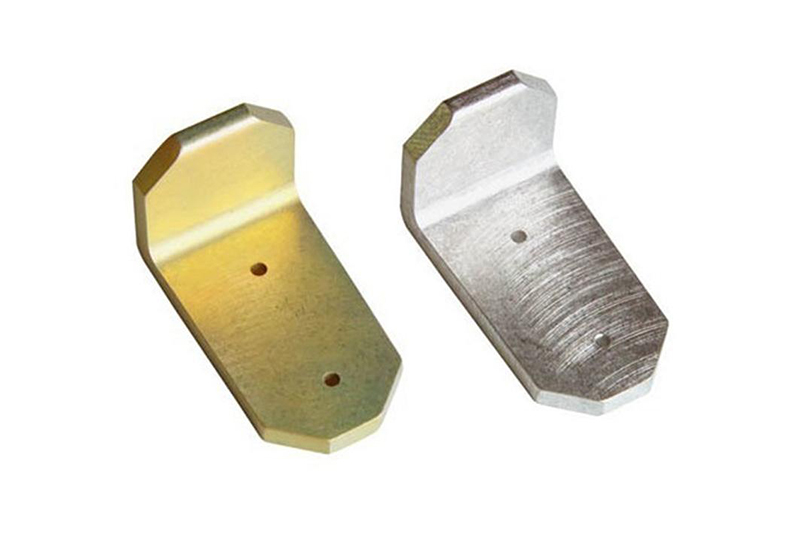
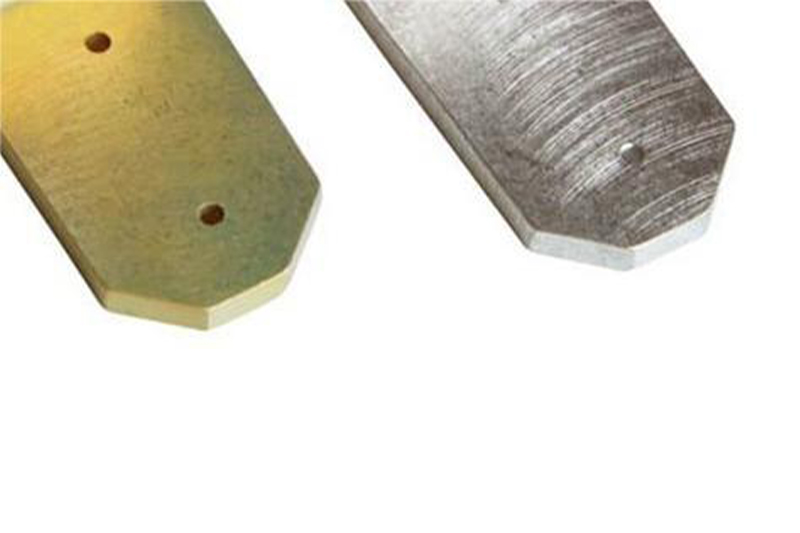
Chromate conversion coating entails including chromic acid to steel in a chemical process that results in a slim, protective external layer. This improves a metal’s sturdiness and makes it extra resistant to deterioration.
Below’s how we apply the chromate conversion layer:
1 Parts are cleaned and degreased to remove any type of pollutant
2 Components are rinsed to get rid of any type of deposit of detergent
3 Aluminum parts are submersed in a container having the chemical option
4 Components are eliminated when a film of the wanted thickness layers the surface area
5 Components are after that rinsed again
5 Parts are then rinsed again
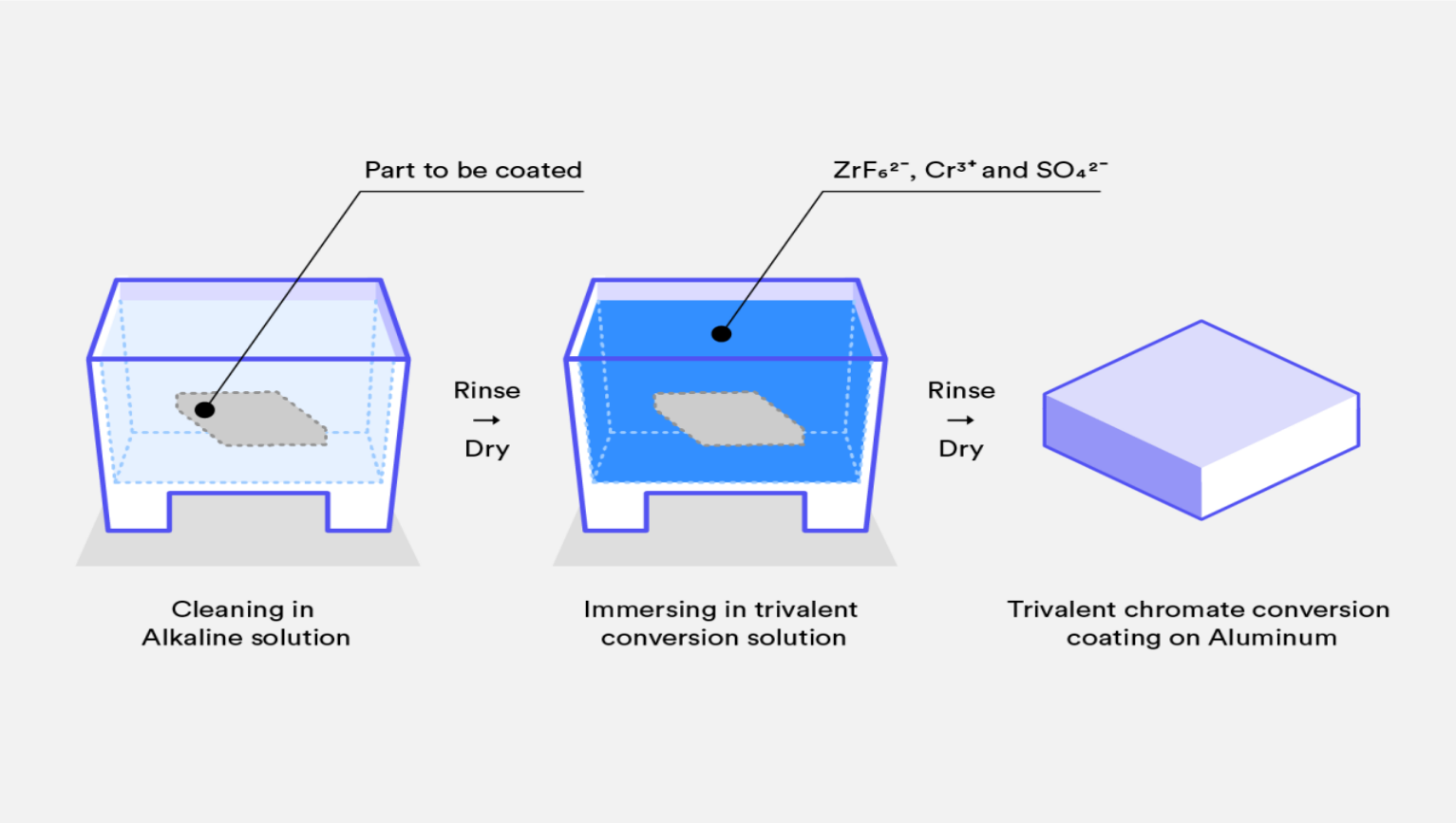
Chromate conversion coatings come in two primary types: hexavalent chromate and trivalent chromate. Hexavalent chromate, while effective, poses environmental and health concerns due to the presence of hexavalent chromium. Trivalent chromate, a more environmentally friendly alternative, is gaining popularity.
Hexavalent chromate coatings typically produce a gold or iridescent yellow color. Trivalent chromate coatings can vary in color, including clear, iridescent, and olive drab. Some versions are specifically designed to be clear or provide a colorless finish.
Chromate conversion coating and Alodine are related processes, but they are not exactly the same. Alodine is a brand name for a specific type of chromate conversion coating. The term “Alodine” is often used colloquially to refer to chromate conversion coatings in general, but it’s important to note that there are various types and brands of chromate conversion coatings, with Alodine being one of them.