Among the most commonly used surface finishing techniques in precision CNC machining, sand blasting and bead blasting are often mentioned and confused, and their differences are frequently misunderstood.
This blog will explore the definition of sand blasting and bead blasting, and their difference clearly and simply.
Key Takeaways:
Historically, sand blasting referred to a process that used natural silica sand (quartz sand) as the abrasive, propelled at high speed with compressed air to clean or roughen surfaces.
The technique originated in the 1870s. At the time, silica sand was abundant and inexpensive, making it the earliest commercially viable blasting medium—and the term “Sand Blasting” was born.
However, silica dust generated during impact can cause serious occupational diseases, such as silicosis. As a result, the use of natural sand is now prohibited in most modern industrial countries.
In modern manufacturing, the term “sand blasting” is often used informally to refer to abrasive blasting in general, and does not necessarily involve actual sand.
Sand blasting generally refers to the process of propelling various abrasive particles at high speed, using compressed air or centrifugal force, to clean, texture, deburr, or strengthen a surface.
Common abrasive media include steel grit, aluminum oxide (also known as brown corundum), glass beads, ceramic particles, walnut shells, plastic beads, and others.
In technical documents, engineering specifications, or safety standards, it is recommended to avoid the ambiguous term “sand blasting” and use more precise terminology: abrasive blasting.
Types of abrasive media include:
Grit Blasting: Uses angular, hard abrasives such as aluminum oxide or silicon carbide.
Bead Blasting: Uses spherical media such as glass beads or ceramic beads.
Shot Blasting: Uses metal shots to strengthen surfaces.
Others: Soda blasting, and other specialized processes.
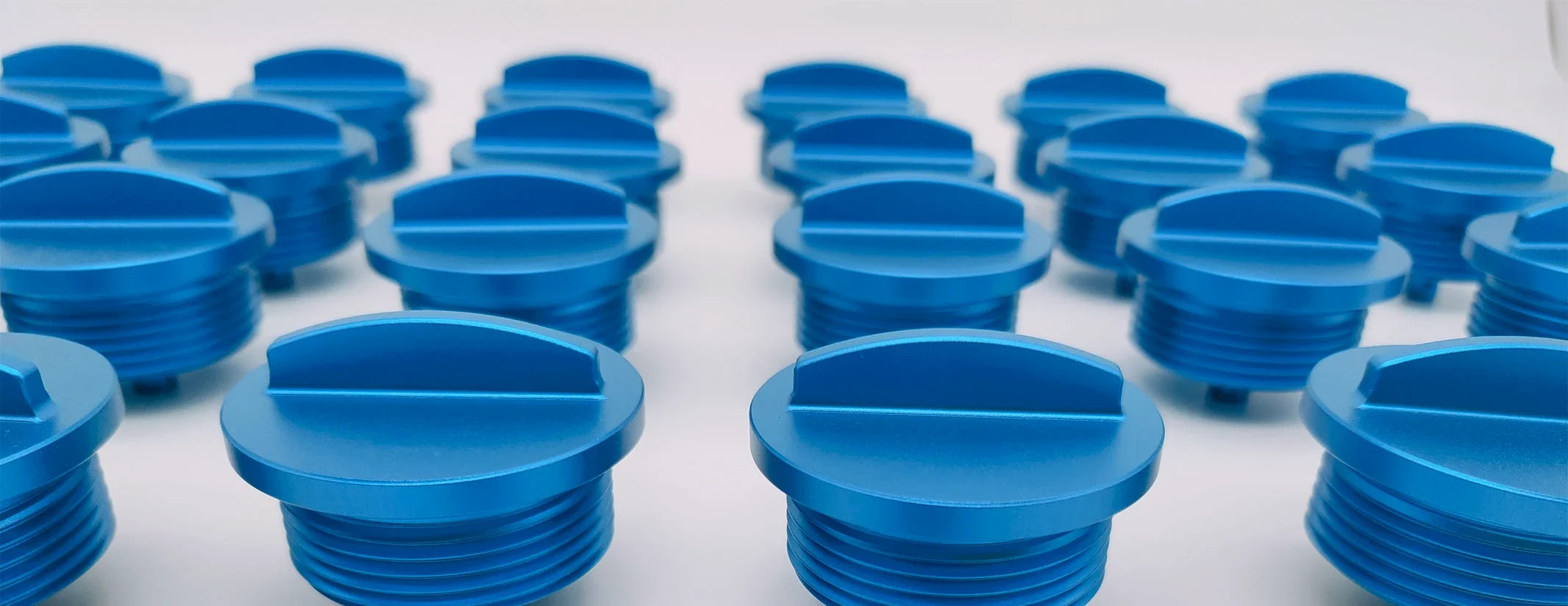
Bead blasting is a precise surface finishing process that uses spherical, non-angular media.
Driven by compressed air or centrifugal force, the media imparts a controlled effect on the workpiece, producing a uniform, directionless matte or satin texture.

Key Features:
Media shape: Spherical, typically glass beads, ceramic beads, or stainless steel beads.
Mechanism: High-frequency micro-hammering from countless spherical particles, rather than cutting, causing micro-plastic deformation on the surface.
Surface effect: Produces a consistent, fine matte or satin finish with no directional texture, effectively masking minor machining marks.
Material removal: Extremely minimal (micron-level), considered micro-forming, and does not significantly alter critical dimensions or geometry.
Sand blasting is a legacy umbrella term referring broadly to abrasive blasting using various types of media.
In contrast, bead blasting is a well-defined, controlled surface finishing process that uses spherical glass beads to condition surfaces and achieve a uniform, consistent appearance.
In the field of precision CNC components—particularly among engineers in European and North American markets—bead blasting is more commonly specified, and its process definition is more precise and reliable.
While sand blasting remains a legacy term for abrasive blasting, bead blasting offers a precise and repeatable method to achieve uniform, directionless finishes without significantly altering critical dimensions.
For precision CNC components—particularly for clients in international markets—bead blasting is more widely used, highly reliable, and ensures consistent quality.
Related blogs:
Sandblasting CNC Aluminum Parts: Benefits, Methods, and Media Selection
What Is Bead Blasting? Process, Media Types & Benefits Explained
What is Sandblasting? | Definition, Properties & Applications Explained

5-Axis CNC machining is a manufacturing process that uses computer numerical control systems to operate 5-axis CNC machines capable of moving a cutting tool or a workpiece along five distinct axes simultaneously.

China is the best country for CNC machining service considering cost, precision, logistic and other factors. Statistical data suggests that China emerges as the premier destination for CNC machining.

Selecting the right prototype manufacturing supplier in China is a critical decision that can significantly impact the success of your product development project.

Machining tolerances stand for the precision of manufacturing processes and products. The lower the values of machining tolerances are, the higher the accuracy level would be.