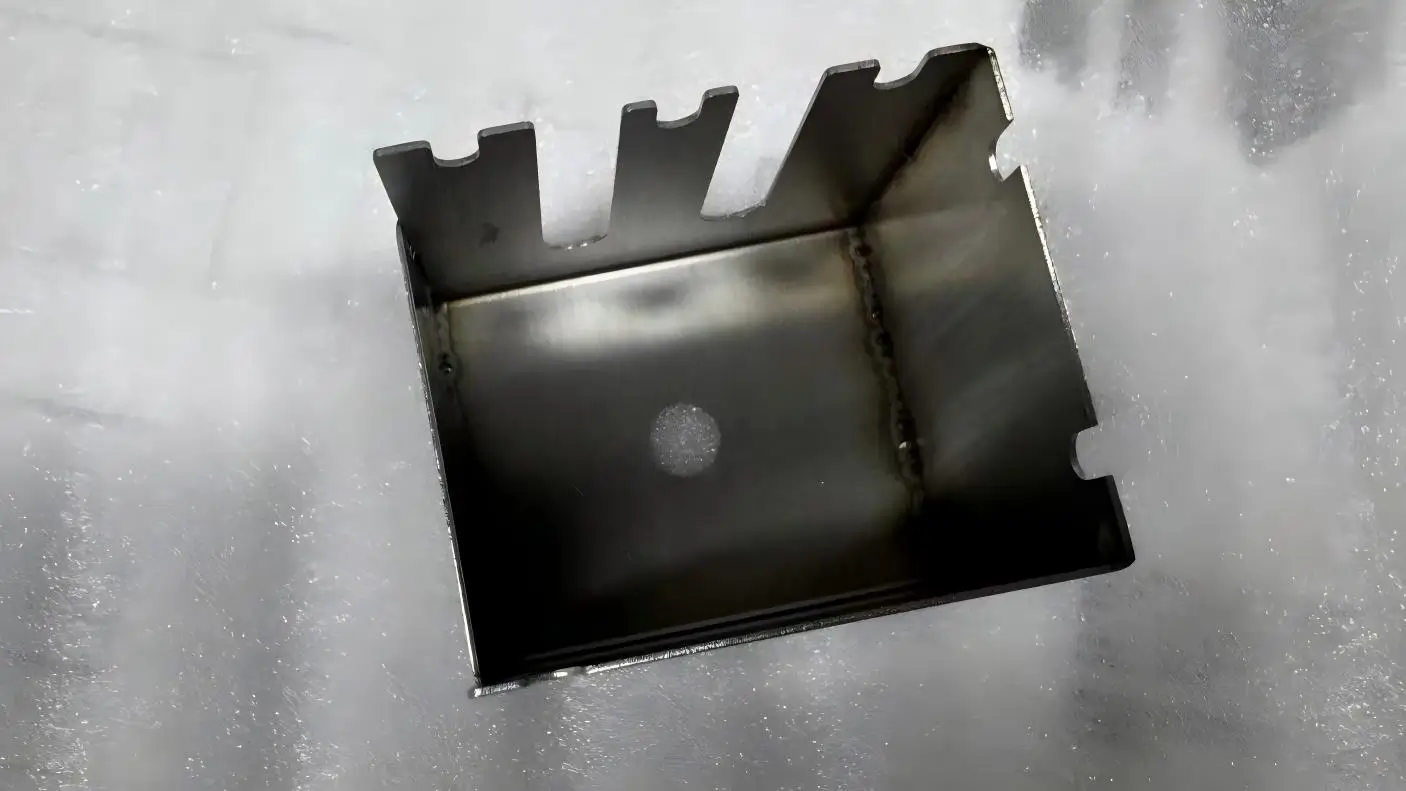
CNC prototyping, which uses computer-controlled machines to turn CAD designs into precise parts, can range anywhere from $50 to $500+ per piece depending on material, complexity, and quantity.
Simple plastic prototypes are generally the most affordable, costing around $50–$150, while aluminum parts can run $150–$400, and stainless steel prototypes may exceed $500.
Factors such as machine time, labor, post-processing, batch size, and lead time all influence the final price.
Understanding these variables helps you plan your budget and choose the most efficient approach for your prototype needs.
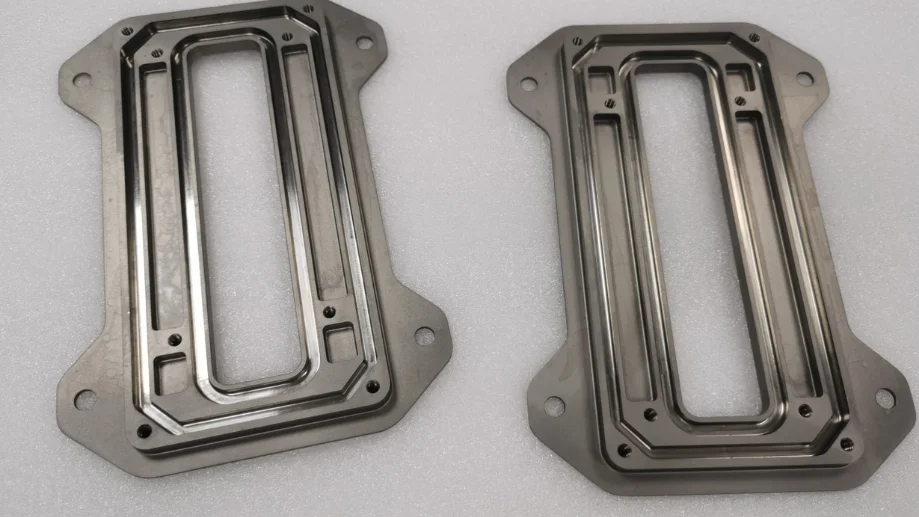
CNC prototyping creates one – off or small – batch parts via CNC machining before mass production. Costs vary by material, complexity, and batch size.
For engineers, designers, and procurement managers, knowing typical costs aids budget planning and quote negotiation.
Most prototypes cost $50 – $500 per part, but complex or high – precision metal ones can be over $800 – $1,500. A simple plastic prototype is $50 – $150, aluminum $120 – $400, stainless steel $300 – $800, and multi – axis complex parts $800+.
Setup costs for one – off parts are 30 – 50% of total cost, and regional labor and material prices impact final quotes.
| Material / Part Type | Typical Cost Range (USD) |
|---|---|
| Simple plastic part (ABS, Nylon) | $50–$150 |
| Aluminum CNC prototype | $120–$400 |
| Stainless steel (304, 316) | $300–$800 |
| Complex multi-axis parts | $800+ |
These figures are based on real-world quotes from North American and Asian CNC job shops between 2023–2025.
Keep in mind that the final quote depends not just on material, but on part geometry, tolerances, machining time, and batch size.
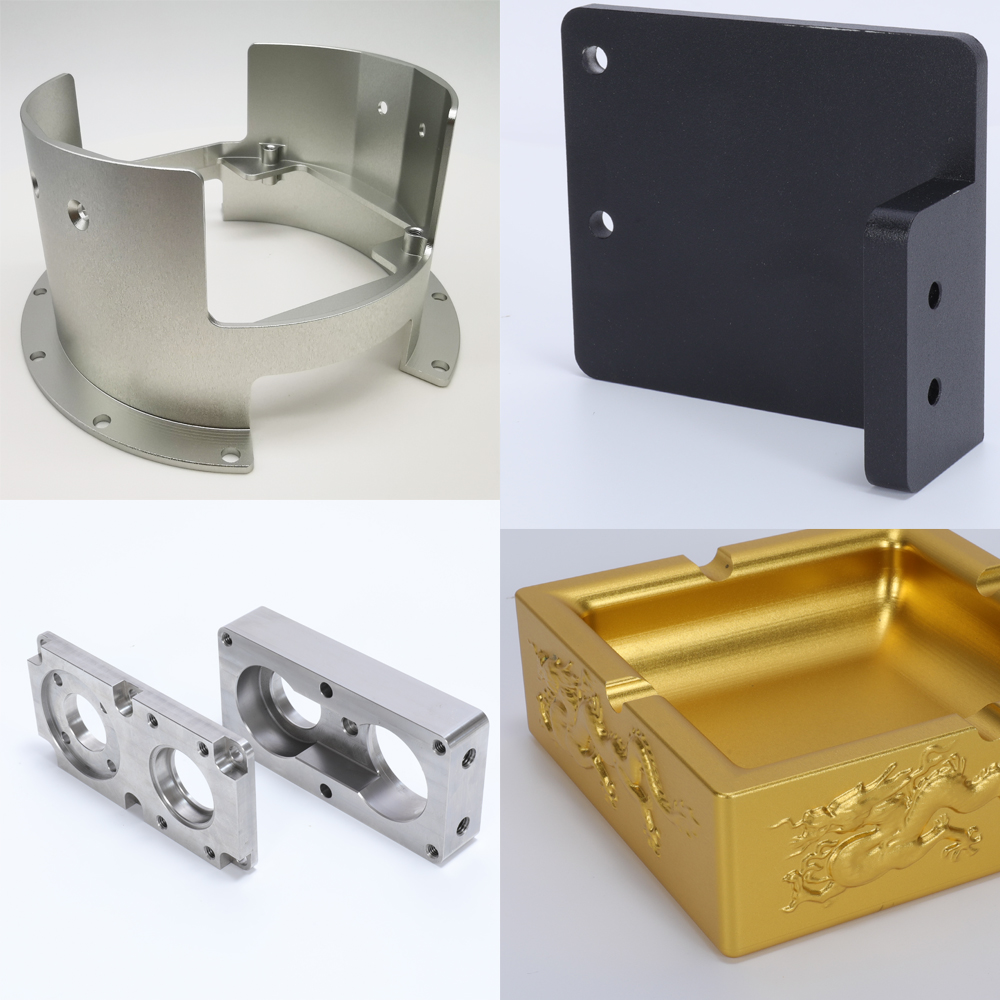
Prototyping inherently carries a higher unit cost because:
In industry practice, setup costs alone can account for 30–50% of the total prototype price for one-off parts.
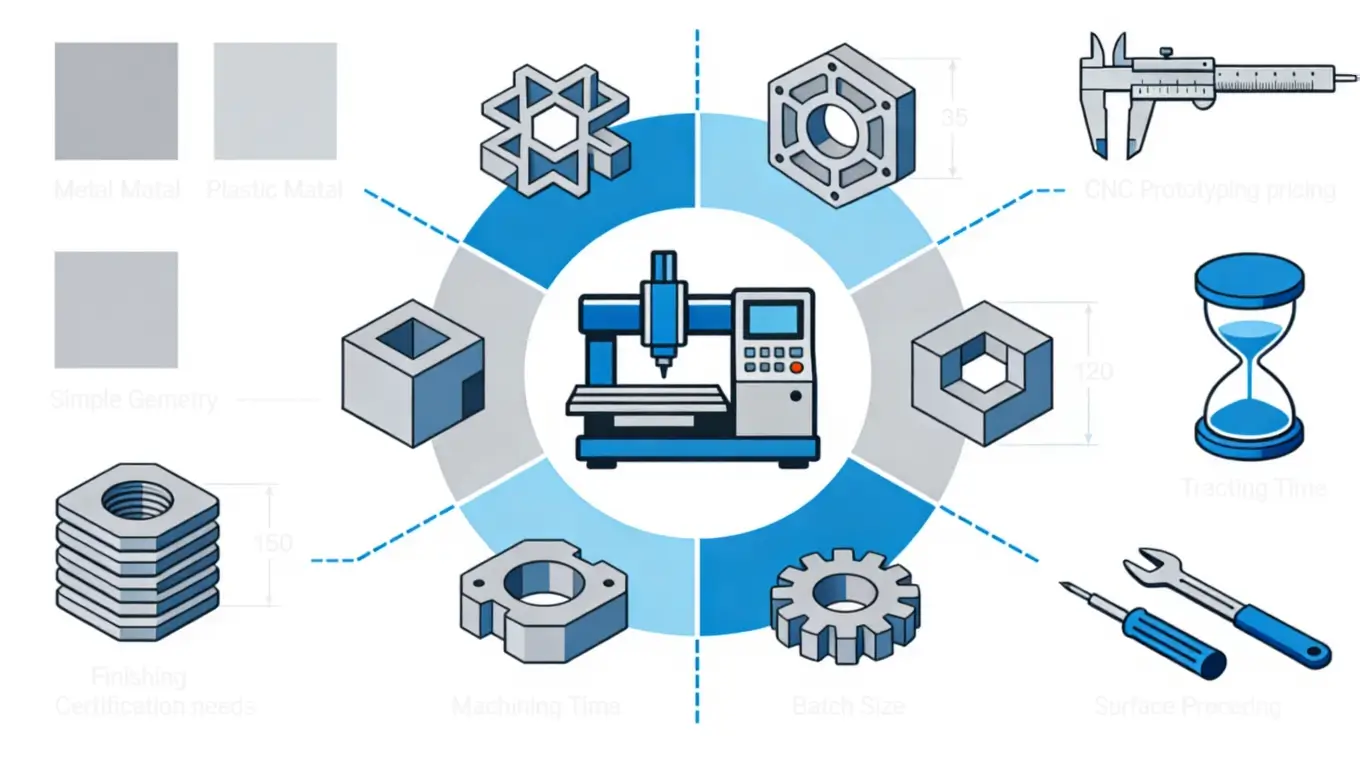
CNC prototyping pricing is affected by multiple factors like material, part geometry, tolerances, machining time, batch size, and finishing/certification needs.
Material choice is one of the largest contributors to CNC prototype cost:
In practice, selecting aluminum over stainless steel for a functional prototype can reduce cost by 2–3×, especially for medium-complexity parts.
The more complex a part, the higher the cost:
More tool changes and longer tool paths = higher CNC prototype cost. Complexity often adds 20–60% to base machining rates.
Tighter tolerances significantly increase cost:
Parts adhering to ISO 2768-f or equivalent high-precision standards can see a 30–60% cost increase over standard tolerances.
Machining time is directly correlated to cost:
For a single aluminum part, setup can be $100–$150, while machining time may add $200–$250, forming the bulk of the cost.
Understanding these helps with cost prediction and design optimization.
The main cost drivers are materials, complexity, tolerances, setup, machining time, and order quantity.
Material selection can triple costs. Tighter tolerances (±0.01 mm) may hike costs by 30 – 60%.
Multi – axis machining can raise machining time and cost by 20 – 60%.
Aluminum 6061 and Stainless Steel 304 have a cost difference of $100 – $300.
ISO 2768 – f tolerances add 30 – 60% to cost.
Setup + programming can be 30 – 50% of one – off prototype cost.
A cost breakdown illustrates how different components—such as material, setup, machining, and inspection—contribute to the total pricing of CNC prototypes.
Understanding this breakdown provides clarity to procurement managers by showing where money is being spent and highlighting opportunities for cost reduction.

| Cost Component | USD |
|---|---|
| Material (Al 6061) | $25 |
| Programming & Setup | $120 |
| Machining Time (2.5 hrs) | $200 |
| Quality Inspection | $40 |
| Total | $385 |
| Cost Component | USD |
|---|---|
| Material (SS 304) | $80 |
| Programming & Setup | $150 |
| Machining Time (5 hrs) | $500 |
| Quality Inspection | $60 |
| Total | $790 |
For example, typical cost distributions can be seen in aluminum and stainless steel prototypes.
An aluminum part may cost $25 for material, $120 for setup, $200 for machining, and $40 for inspection, totaling $385.
In contrast, a stainless steel multi-axis prototype could cost $80 for material, $150 for setup, $500 for machining, and $60 for inspection, totaling $790.
Generally, machining time accounts for roughly 50% of the cost for complex parts, setup costs dominate single or small-batch runs, and inspection usually adds $40–$60 per prototype.
Cost reduction strategies for CNC prototyping focus on design optimization, material substitution, and tolerance adjustment. Implementing these strategies early helps reduce costs without compromising functionality, which in turn accelerates prototyping cycles and minimizes wasted resources.
Experience insight: Following DFM rules can reduce CNC prototyping cost by 15–30% without affecting part functionality.
For functional validation, less expensive materials often suffice, reserving high-cost materials for final verification.
Following Design for Manufacturing (DFM) guidelines, selecting cost-effective materials, and avoiding over-specifying tolerances are key practices.
For instance, adhering to DFM principles can lower costs by 15–30%, substituting aluminum for stainless steel can reduce material costs by 2–3 times, and using plastics for early-stage prototypes can cut costs by 50–70%.
Practical considerations include avoiding deep pockets and thin walls, standardizing hole sizes and radii, and selecting materials suitable for testing rather than final production.
CNC prototyping and production machining differ significantly in cost structure, quantity, and purpose.
Buyers often misjudge why prototypes cost more per unit than mass-produced parts, but the distinction lies in the allocation of time and resources.
Prototypes are typically more expensive per unit because setup and engineering time dominate the cost, whereas production parts benefit from tooling amortization.
CNC prototyping is about speed, flexibility, and validation, not unit cost optimization.
For example, a one-off prototype setup can account for 30–50% of the total cost, while production units spread setup costs across multiple parts, reducing per-unit costs by 50–80%.
CNC prototyping prioritizes flexibility and speed over per-unit savings.
Key considerations include the lack of tooling amortization for prototypes, a higher setup-to-part ratio, and the inclusion of engineering and programming time in overall costs.
CNC prototyping is ideal for validating designs, testing fit and function, and supporting early-stage iterations.
This process helps engineers avoid costly mistakes during full-scale production by providing tangible, testable parts before committing to large-scale manufacturing.
CNC prototypes are especially useful for functional testing, assembly checks, and producing low-volume end-use parts.
They prevent rework and production failures, allow real-material validation before significant investments, and support iterative design improvements.
Skipping CNC prototyping often leads to higher costs during full-scale production due to rework or failed parts.
Primary use cases include functional testing and fit validation, while rapid iteration cycles help shorten product development timelines.
Additionally, producing low-volume end-use parts via prototyping offers a cost-effective solution compared with full-scale production.
CNC prototyping is a strategic investment.
By understanding:
Engineers and procurement managers can estimate fair prices, reduce waste, and make faster design decisions.

5-Axis CNC machining is a manufacturing process that uses computer numerical control systems to operate 5-axis CNC machines capable of moving a cutting tool or a workpiece along five distinct axes simultaneously.

China is the best country for CNC machining service considering cost, precision, logistic and other factors. Statistical data suggests that China emerges as the premier destination for CNC machining.

Selecting the right prototype manufacturing supplier in China is a critical decision that can significantly impact the success of your product development project.

Machining tolerances stand for the precision of manufacturing processes and products. The lower the values of machining tolerances are, the higher the accuracy level would be.