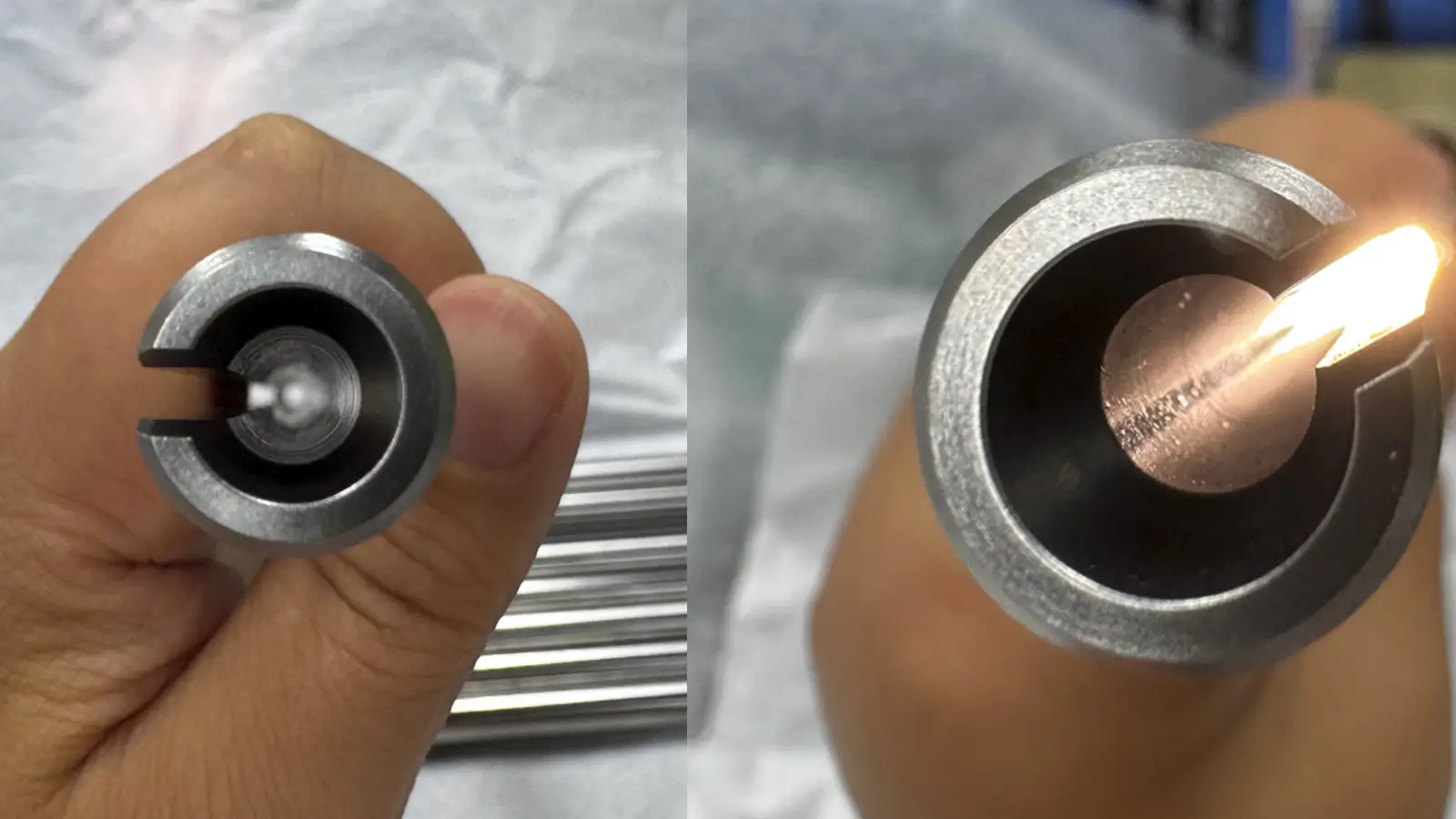
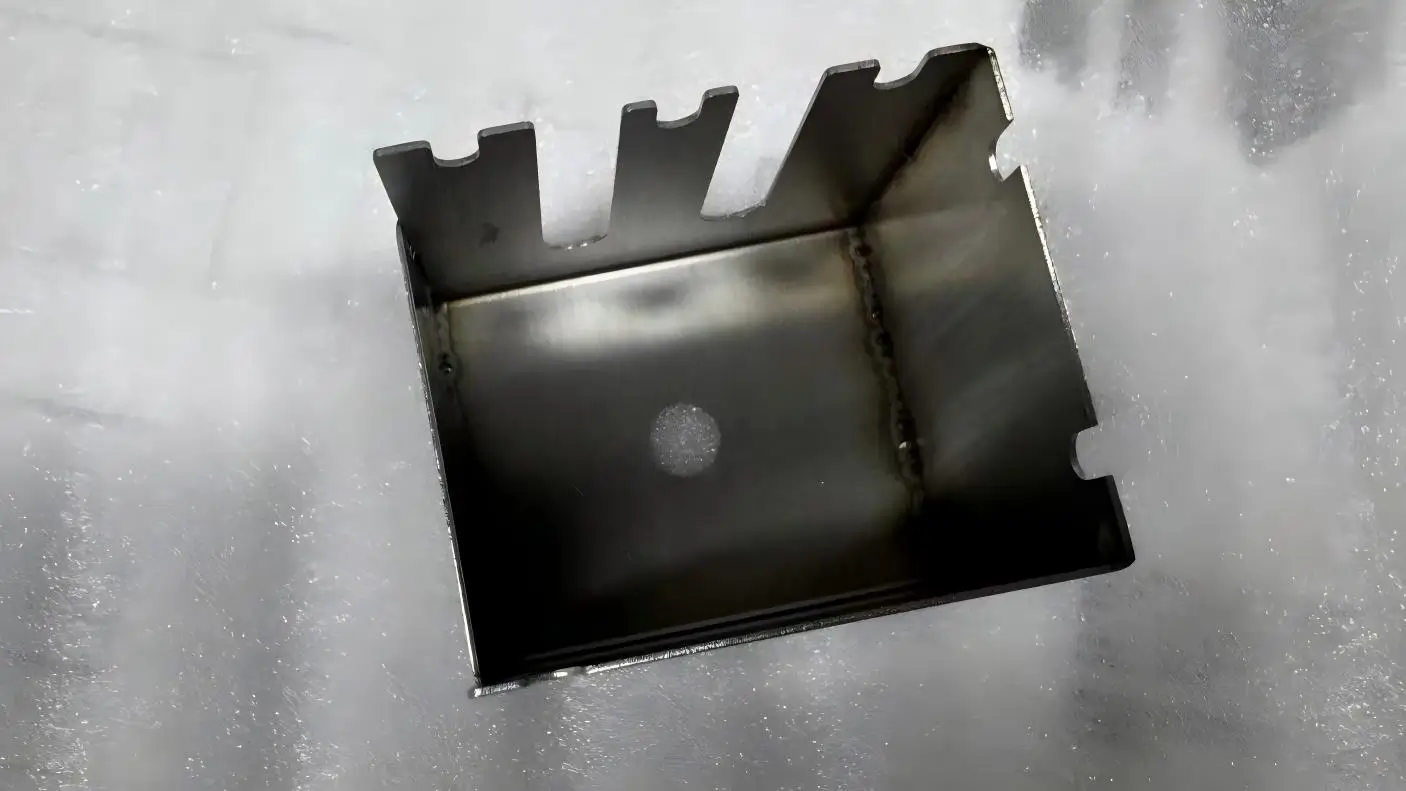
Unmanned Aerial Vehicles (UAVs) have become indispensable across military, commercial, and industrial sectors.
Achieving high performance, long endurance, and mission reliability requires not only advanced design but also aerospace-grade precision components, which is why high precision CNC machining solutions for UAV aluminum parts are increasingly critical in modern UAV manufacturing.
CNC machining plays a pivotal role in producing these high-precision parts, ensuring structural integrity, aerodynamic efficiency, and full compliance with stringent aerospace standards.
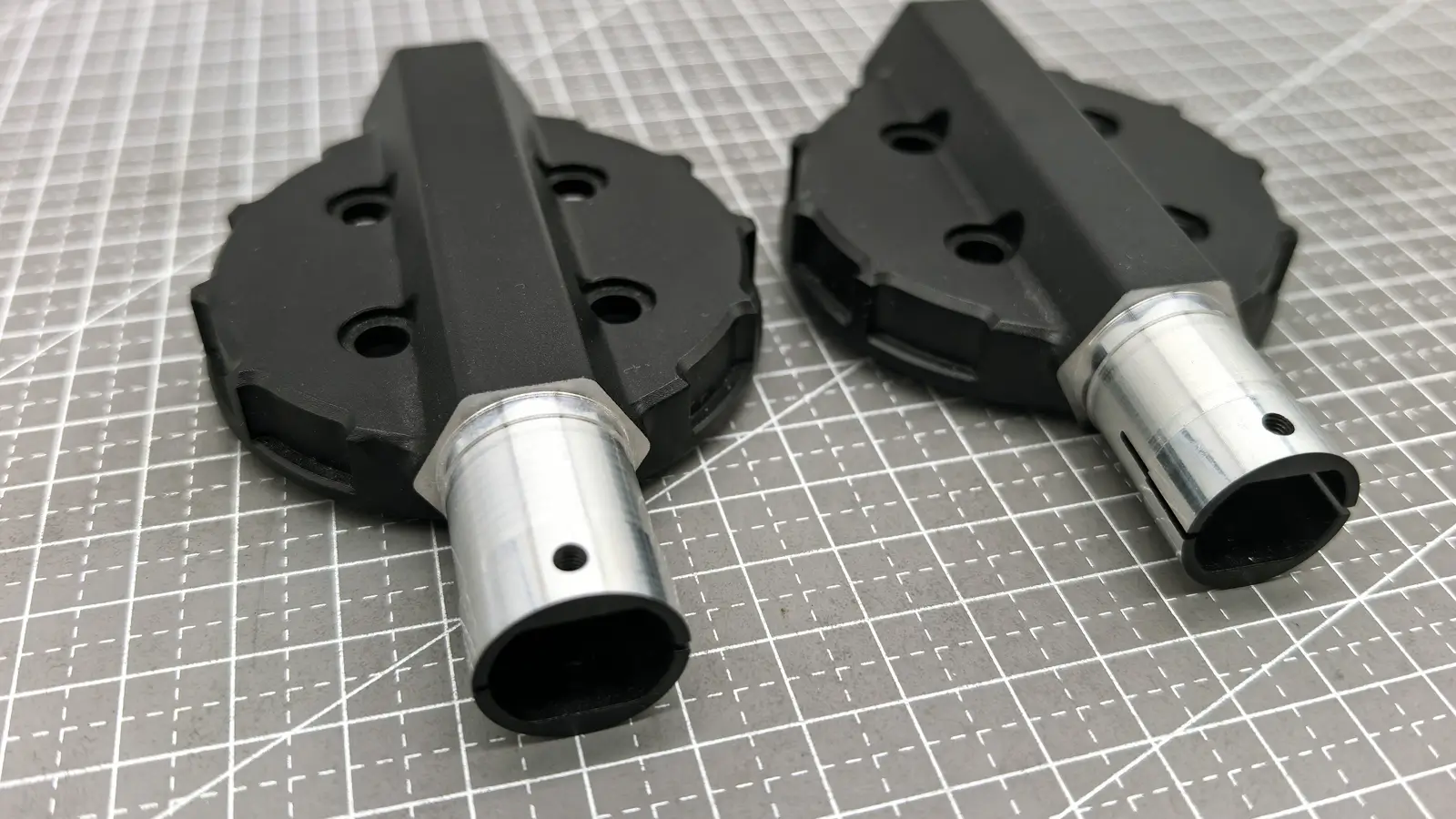
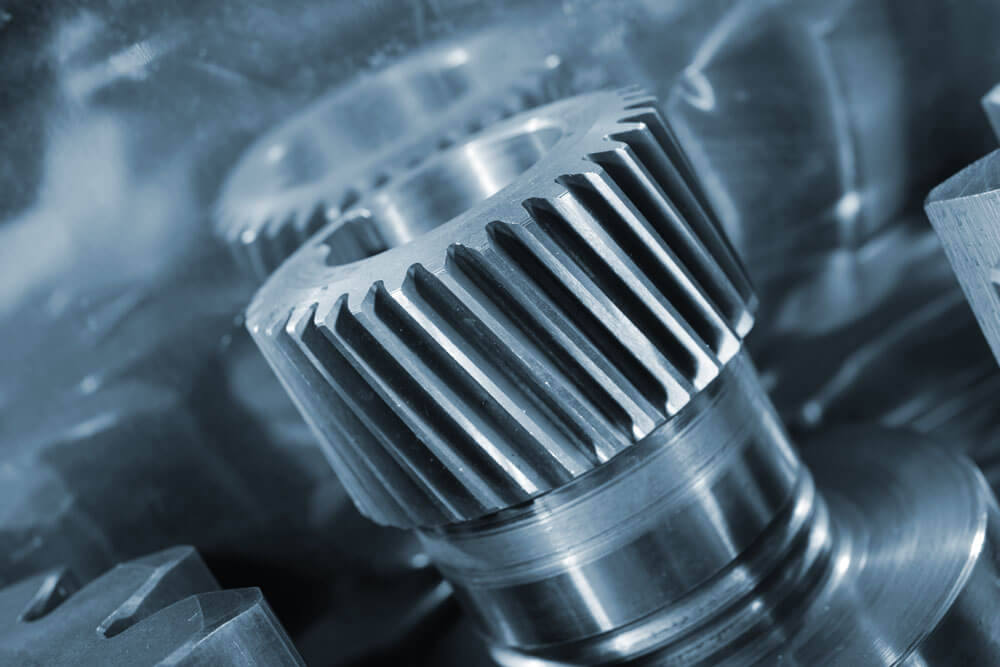
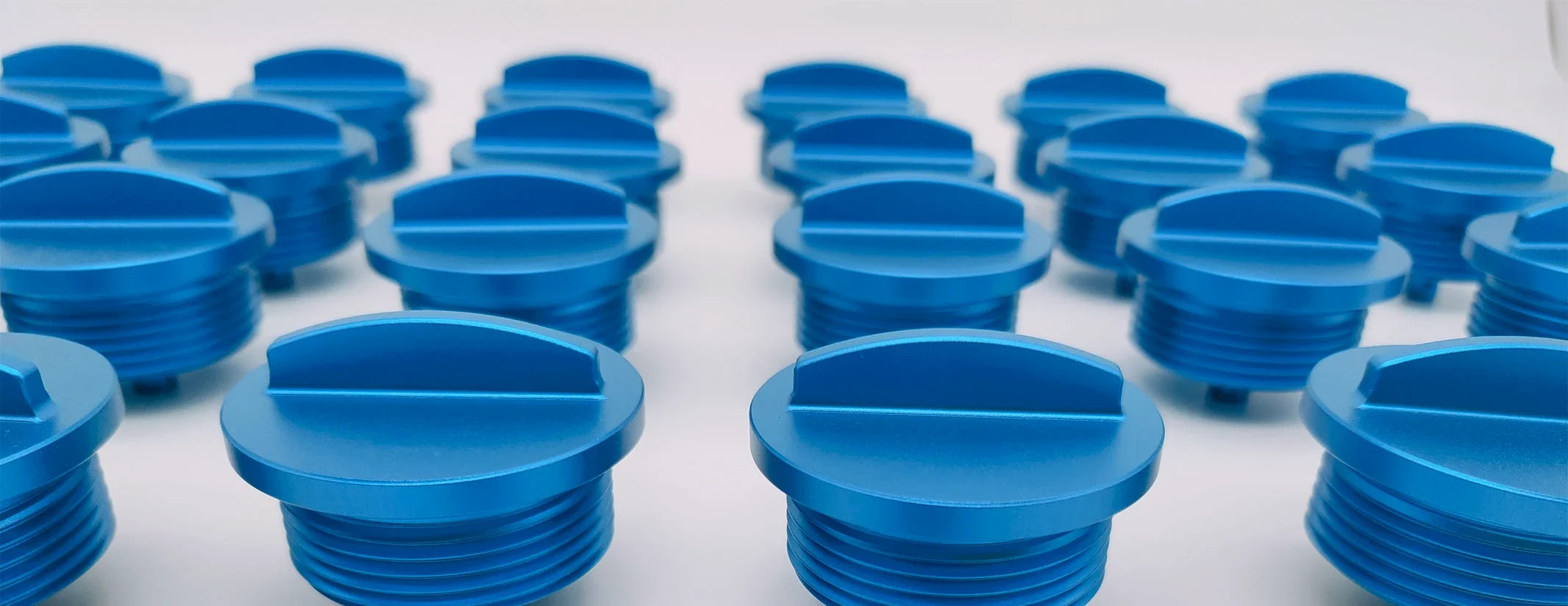
Aerospace-grade CNC machining parts for Unmanned Aerial Vehicles (UAVs) are high-precision, high-reliability components manufactured via Computer Numerical Control (CNC) machining, adhering to stringent aerospace industry standards.
These parts are engineered to meet the extreme operational demands of UAVs—balancing lightweight design with high structural strength, corrosion resistance, and stable performance in harsh environments such as high altitude, temperature fluctuations, and strong vibration.
Unlike standard industrial CNC parts, aerospace-grade UAV components undergo rigorous material screening, tight tolerance control, and comprehensive quality validation to ensure reliability in mission-critical aerial applications.
Typical use cases include military reconnaissance, commercial surveying, industrial inspection, mapping, and emergency rescue operations.
Typical aerospace-grade CNC machined UAV components include airframe structures (fuselage brackets, wing spars), propulsion system parts (propeller hubs, motor mounts), avionics enclosures (sensor mounts, EMI-shielded housings), and landing gear components such as struts and wear-resistant brackets.
The unique operational requirements of UAVs—miniaturization, high precision, structural complexity, and extreme reliability—make CNC machining an irreplaceable core manufacturing technology. Its importance is reflected in several key aspects:
UAV components are typically compact and highly interdependent. Even minimal dimensional deviations can lead to assembly failure, vibration-induced malfunctions, or degraded aerodynamic performance.
CNC machining replaces manual operations with fully computer-controlled precision, enabling consistent micron-level tolerances across production batches.
For example, sensor mounts require accurate positioning to prevent data distortion, while propeller shafts demand precise concentricity to minimize in-flight vibration—requirements that manual machining cannot reliably achieve.
Modern UAV designs emphasize aerodynamic efficiency and lightweight structures, often featuring curved surfaces, internal cavities, and integrated components.
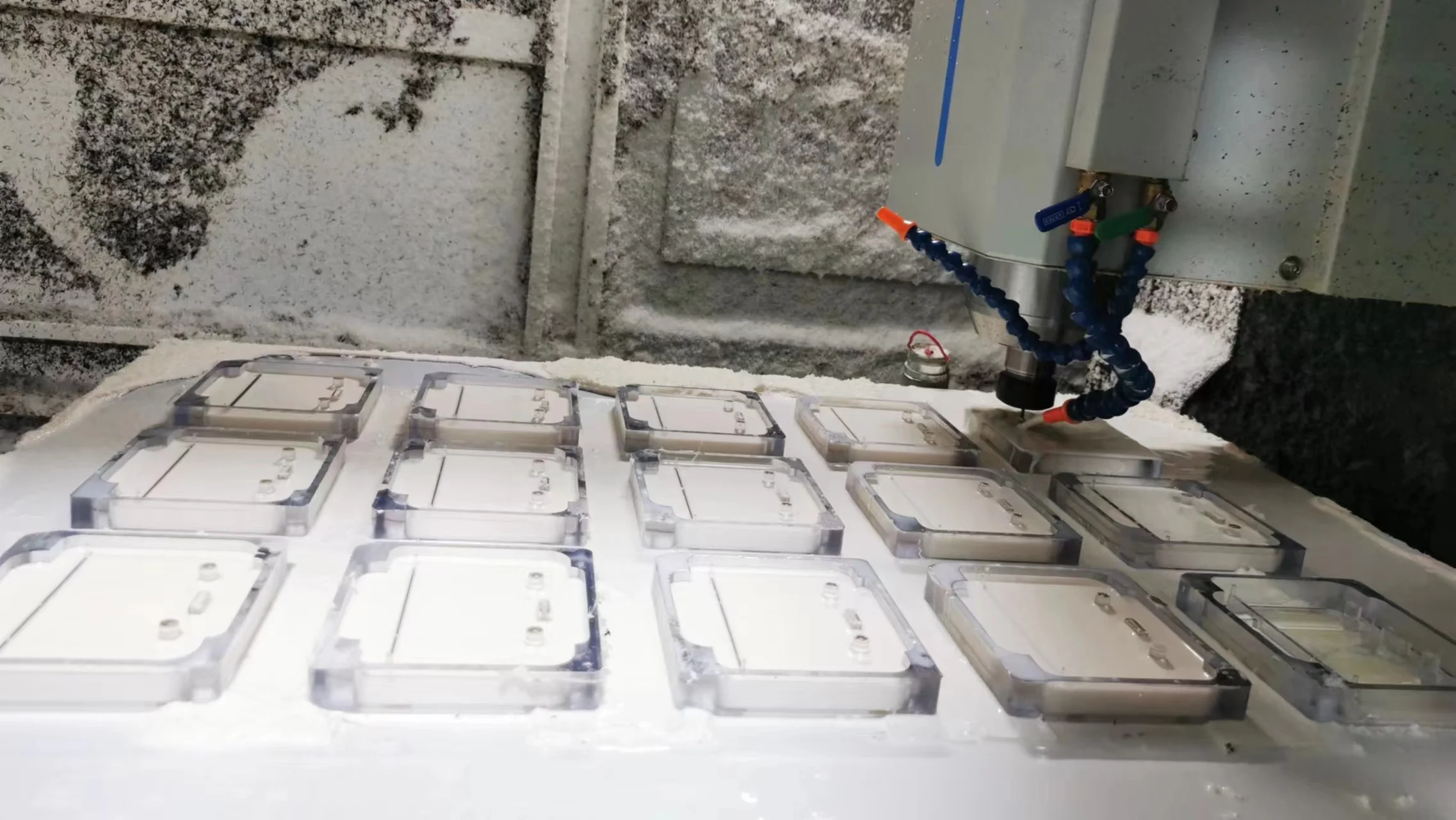
Advanced 5-axis CNC machining centers allow simultaneous multi-axis tool movement, making it possible to machine complex contours and internal features that traditional milling or turning cannot access.
This capability is especially critical for titanium alloy structural parts and composite material components with intricate hollow designs.
Whether for civilian UAV fleets or military deployments, batch consistency is essential to guarantee interchangeability and stable operational performance.
CNC machining relies on standardized digital programs, eliminating human variability and ensuring each part conforms precisely to the original design.
This consistency reduces assembly time, lowers maintenance costs, and minimizes mission risks caused by dimensional mismatches.
Aerospace-grade UAV materials such as titanium alloys, CFRP, and superalloys are inherently difficult to machine due to high hardness, brittleness, or fiber reinforcement.
CNC systems enable precise control of cutting parameters including speed, feed rate, and tool path, reducing risks such as tool wear, thermal deformation, and fiber delamination.
For instance, machining Inconel engine components requires strict thermal management and specialized tooling, which CNC equipment is designed to handle.
The UAV industry evolves rapidly, driven by demands for longer endurance, higher payload capacity, and diverse mission profiles.
CNC machining allows fast transitions from design to production, as design changes can be implemented by simply updating machining programs without the need for new molds or tooling.
This flexibility significantly shortens R&D cycles and accelerates product validation.
UAVs deployed in military, emergency rescue, or aerospace exploration missions cannot tolerate component failure.
CNC machining supports full-process traceability and integrates seamlessly with advanced inspection methods such as CMM measurement and non-destructive testing.
Combined with residual stress control and optimized surface treatments, these measures ensure long-term reliability in extreme operating environments.
Aerospace-grade UAV CNC parts are defined by several core characteristics that clearly differentiate them from standard industrial components.
These attributes collectively ensure reliability, durability, and consistent performance in complex and high-risk aerial missions.
To withstand continuous vibration, aerodynamic loads, impact forces, and extreme temperature variations, aerospace-grade UAV parts are produced using optimized CNC machining strategies combined with advanced post-processing.
Carefully controlled cutting parameters minimize residual stress and microcracks, while surface treatments such as anodizing, passivation, and heat treatment improve surface hardness, corrosion resistance, and fatigue life.
As a result, components maintain long-term structural integrity even in high-altitude, high-humidity, or low-pressure environments.
Compliance with aerospace standards such as AS9100 and ISO 9001 is mandatory.
Quality assurance spans the entire production lifecycle, including raw material inspection (X-ray and ultrasonic testing), in-process dimensional verification using CMM and laser scanning, and post-machining non-destructive testing such as liquid penetrant testing (LPT) and magnetic particle testing (MPT).
Complete traceability of materials, tooling, machining parameters, and inspection records enables full lifecycle tracking of every component.
Weight reduction is a primary driver of UAV performance, directly influencing flight endurance and payload capacity.
Aerospace-grade CNC machining enables the creation of hollow, integrated, and topology-optimized structures that remove unnecessary mass while reinforcing critical load-bearing regions.
This balance is especially critical for airframes, wing structures, and propulsion components where excess weight negatively impacts aerodynamic efficiency.
Unlike generic CNC components, aerospace-grade UAV parts are often designed around specific mission profiles.
Military UAV components may require resistance to electromagnetic interference or ballistic impact, while industrial inspection UAVs demand protection against dust, moisture, and chemical corrosion.
High-altitude UAVs must tolerate extreme temperature gradients. CNC machining allows precise customization of geometries and surface treatments to meet these mission-specific durability requirements.
Common UAV CNC materials include aluminum 6061/7075, titanium Ti-6Al-4V, stainless steel 17-4PH, and machinable composites.
Critical part tolerances are ±0.01–0.05 mm, non-critical ±0.1 mm. Surface finish: metals Ra 0.8–1.6 µm, composites 3.2–6.3 µm.
Aluminum can be anodized for wear and corrosion resistance; titanium and steel require slower machining with heat control.
Precision fixturing and CMM inspection ensure assembly accuracy, vibration reduction, and optimal flight performance.
Material selection for aerospace-grade UAV CNC parts is driven by the need to balance lightweight design, mechanical strength, corrosion resistance, and cost efficiency. Commonly used materials include:
Ultra-tight tolerances are essential for UAV CNC parts, as even minor dimensional deviations can lead to assembly issues, aerodynamic inefficiencies, or vibration-induced failures. Typical aerospace tolerance requirements include:
Unmanned Aerial Vehicles (UAVs) designed for aerospace applications demand extreme precision, lightweight construction, and exceptional reliability to operate under harsh flight conditions such as temperature fluctuations, aerodynamic loads, and continuous vibration.
CNC (Computer Numerical Control) machining is a foundational technology in aerospace UAV manufacturing, enabling the production of complex, high-precision components with consistent and repeatable quality.
Key UAV components—including flight control modules, propulsion system parts, rotor hubs, and primary structural frames—require micron-level precision to ensure performance, safety, and flight stability.
Advanced aerospace CNC systems, particularly five-axis machining centers, routinely achieve tolerances as tight as ±0.001 mm through high-precision linear guides, servo motors, and thermally stable spindle systems.
For example, the machining of gyroscope housings, inertial measurement unit (IMU) mounts, and sensor brackets relies heavily on CNC’s ability to maintain dimensional accuracy across complex geometries.
Even minimal deviations in these parts can lead to navigation errors or degraded flight control performance.
CNC turning and milling are also widely used to produce cylindrical and rotational components such as bearing shafts and fuel line interfaces.
These parts often require superior surface finishes (Ra < 0.8 μm) to minimize friction, reduce wear, and improve long-term operational reliability.
Weight reduction without compromising structural integrity is a core design objective for aerospace UAVs. As a result, CNC machining must accommodate advanced materials such as titanium alloys (Ti-6Al-4V), aluminum-lithium alloys (e.g., 2195), nickel-based superalloys (Inconel), and carbon fiber–reinforced polymers (CFRPs).
For hard-to-machine metals like titanium and Inconel, aerospace CNC systems employ carbide or coated tooling, high-pressure coolant-through spindles, and adaptive machining strategies.
Real-time adjustments to feed rates and spindle speeds help control heat generation, limit tool wear, and prevent material deformation.
Although composite materials are not directly machined like metals, CNC routing and trimming play a critical role in CFRP processing.
Diamond-coated tools and optimized cutting parameters are used to prevent delamination and fiber pull-out. Vacuum-based fixturing systems secure composite panels without introducing mechanical stress or surface damage.
UAV airframes, wings, and propellers incorporate complex curved surfaces and integrated internal features to maximize aerodynamic efficiency and structural stiffness.
Five-axis CNC machining is indispensable for producing these geometries, as it allows simultaneous multi-axis movement and eliminates the need for multiple re-fixturing steps.
For instance, monolithic wing spars with internal cavities, tapered profiles, and variable wall thicknesses can be machined in a single setup.
This improves geometric accuracy, enhances load distribution, and significantly reduces assembly time and potential failure points.
Modern CNC workflows integrate advanced CAD/CAM software platforms such as CATIA and SolidWorks, enabling precise translation of aerodynamic models into optimized tool paths.
This ensures consistent quality across prototype development and batch production.
Aerospace UAV manufacturing often spans both low-volume, high-complexity prototyping and medium-to-high-volume production.
CNC systems address this challenge through automation and process integration.
Automated Tool Changers (ATCs) enable rapid switching between drills, end mills, and specialty cutters, reducing setup time and minimizing operator intervention.
Robotic loading and unloading systems allow for continuous, unattended operation, improving productivity and consistency.
Inline inspection technologies—such as laser scanners and integrated CMM probes—enable real-time dimensional verification during machining.
Parts that fall outside tolerance limits can be corrected immediately, reducing scrap rates and downstream quality issues.
Aerospace UAV components must comply with strict regulatory and certification requirements imposed by authorities such as the FAA and EASA.
CNC machining systems support these requirements through comprehensive data logging and traceability.
Key machining parameters—including spindle speed, feed rate, tool life, and coolant temperature—are recorded for each production run.
This data is stored in centralized manufacturing execution systems, allowing every component to be traced back to its material batch, machine, and process conditions.
High equipment reliability is also essential. Aerospace CNC machines are typically designed with redundant subsystems and predictive maintenance capabilities to minimize downtime and ensure consistent output across long production cycles.
Aerospace manufacturing operates under some of the most rigorous quality and regulatory frameworks in modern industry.
For UAV CNC parts, strict standards and comprehensive quality control processes are essential to ensure safety, reliability, and consistent performance throughout the product lifecycle.
The AS9100 series is the globally recognized quality management standard for aerospace manufacturing.
Built upon ISO 9001, AS9100 introduces additional requirements for risk management, configuration control, supplier qualification, and full traceability.
Compliance with AS9100 is mandatory for most aerospace and UAV component suppliers.
Complementary standards such as AS9102 define requirements for First Article Inspection (FAI), ensuring that production processes can repeatedly manufacture parts that meet design specifications.
Military and defense UAV programs may also require compliance with MIL-STD standards, including environmental and durability testing protocols.
Quality assurance begins with Incoming Quality Control (IQC), where raw materials and purchased components are verified against certified Material Test Reports (MTRs).
Non-destructive testing methods—such as ultrasonic testing and X-ray inspection—are commonly used to detect internal defects without damaging the material.
In-Process Quality Control (IPQC) focuses on real-time monitoring during CNC machining.
Sensors track cutting forces, temperatures, and tool wear, while Statistical Process Control (SPC) techniques are used to maintain stable, repeatable production within defined tolerance limits.
Final Quality Control (FQC) includes comprehensive dimensional inspection using CMMs or optical measurement systems, functional testing under simulated operating conditions, and full documentation review prior to delivery.
An effective aerospace Quality Management System (QMS) emphasizes continuous improvement through structured risk management, supplier auditing, and corrective and preventive action (CAPA) processes.
Tools such as Failure Mode and Effects Analysis (FMEA) are widely used to identify potential process risks and implement mitigation strategies.
Emerging technologies are further enhancing aerospace quality control. Digital twins enable virtual simulation of machining processes, AI-powered non-destructive testing improves defect detection accuracy, and blockchain-based traceability systems are being explored to strengthen supply chain transparency and certification integrity.
Unmanned Aerial Vehicles (UAVs) rely heavily on precision-machined components to achieve critical performance objectives such as long endurance, heavy payload capacity, high positional accuracy, and stable flight control.
For industrial-grade and aerospace-grade UAVs, the choice of materials and machining precision directly determines operational reliability, fatigue resistance, and overall service life.
Airframe structural components form the primary load-bearing framework of a UAV. These parts must achieve an optimal balance between lightweight design and mechanical strength.
Aerospace-grade 7075 aluminum alloy is widely used due to its exceptional strength-to-weight ratio, with tensile strength exceeding 500 MPa and a density of approximately 2.8 g/cm³.
Propulsion system components require high wear resistance and excellent dimensional stability to ensure consistent power transmission and long-term reliability.
Navigation accuracy and payload performance are highly sensitive to machining precision, making quality control especially critical for these components.
Surface treatment of aerospace UAV parts is a systematic, standards-driven process designed to enhance corrosion resistance, wear resistance, and functional performance.
Treatments are executed through controlled pre-treatment, core processing, post-processing, and rigorous quality verification.
Pre-treatment removes contaminants and activates the material surface, providing a stable foundation for subsequent coating or conversion processes.
| Step | Process Method | Key Parameters / Equipment | Quality Control Standard |
|---|---|---|---|
| Degreasing | Alkaline ultrasonic cleaning | 60–80℃, pH 9–11 | ASTM F22 hydrophilicity test |
| Oxide Removal | Sandblasting (corundum / glass beads) | Grit #80–#120, 0.3–0.5 MPa | Sa 2.5 (ISO 8501) |
| Pickling Activation | Nitric–hydrofluoric acid (titanium alloys) | 15–20%, 2–5 min | Uniform silvery-white surface |
Note: Acid pickling is prohibited for high-strength steels such as 4340 due to the risk of hydrogen embrittlement.
Electrochemical and thermal spray processes are commonly applied to enhance durability and functional performance.
High-Velocity Oxy-Fuel (HVOF) spraying is used for components requiring extreme wear resistance, such as landing gear piston rods.
Typical coatings (e.g., WC-12Co) can improve wear resistance by up to eight times compared to untreated surfaces.
Selecting the right CNC machining supplier directly impacts UAV component quality, delivery reliability, and cost efficiency.
Below are key suppliers serving aerospace UAV production, including specialized CNC providers and broader manufacturers capable of high-precision work.
TJ Aerospace specializes in high-precision CNC machining for aerospace components, offering both prototyping and production capabilities for UAV structural and functional parts.
McCarty Fabrication provides precision aerospace machining with an emphasis on structural components, housings, and custom UAV brackets.
These manufacturers provide scalable CNC services and prototyping support across aerospace and industrial sectors.
They are suitable for UAV programs with larger batch needs or distributed manufacturing requirements.
Ecoreprap provides flexible CNC machining solutions for UAV startups and R&D teams, emphasizing rapid prototyping, small- to medium-batch production, and diverse material capabilities.
Aerospace-grade CNC machined parts are the backbone of reliable UAV operation.
Selecting the right materials, adhering to ultra-tight tolerances, and partnering with experienced suppliers such as TJ Aerospace, McCarty Fabrication, Ducommun, Fathom, Xometry, and Ecoreprap ensures UAVs can perform safely and efficiently in challenging environments.
By combining precision machining, rigorous quality control, and optimized surface treatments, UAV manufacturers can achieve superior flight performance, long-term durability, and mission success.

5-Axis CNC machining is a manufacturing process that uses computer numerical control systems to operate 5-axis CNC machines capable of moving a cutting tool or a workpiece along five distinct axes simultaneously.

China is the best country for CNC machining service considering cost, precision, logistic and other factors. Statistical data suggests that China emerges as the premier destination for CNC machining.

Selecting the right prototype manufacturing supplier in China is a critical decision that can significantly impact the success of your product development project.

Machining tolerances stand for the precision of manufacturing processes and products. The lower the values of machining tolerances are, the higher the accuracy level would be.