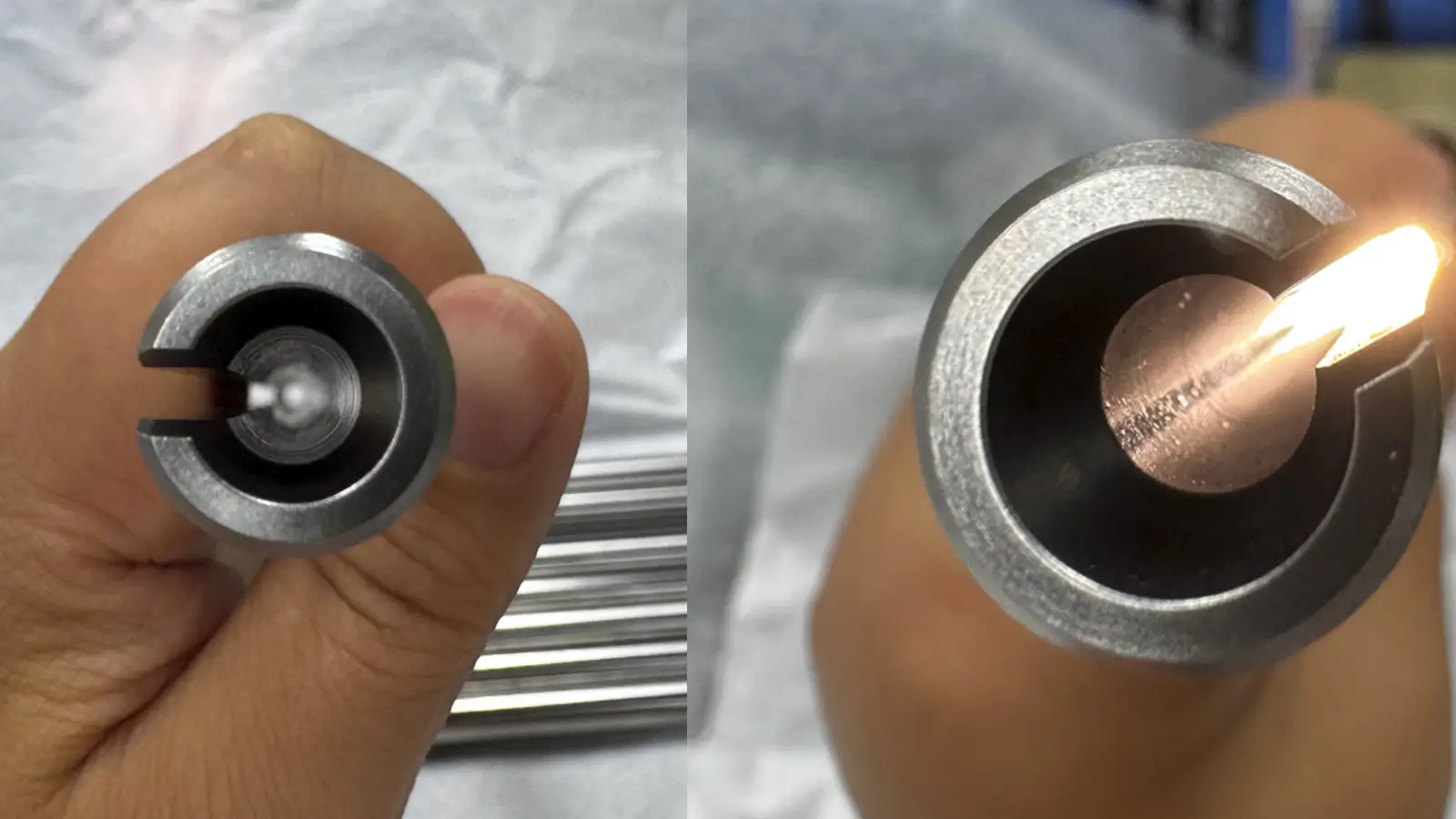
For CNC-machined and sheet-metal parts, there is always a strong market for precise, durable, and custom surface marking. When it comes to labeling CNC-machined parts or decorating sheet metal products, laser engraving is an optimal solution.
Laser engraving uses focused laser beams to etch or carve custom and detailed marks, designs, or images onto surfaces for decoration or marking. As it can be applied to various materials such as metal, wood, glass, plastic, and stone, etc., laser engraving is widely used for CNC-machined parts and sheet metal components.
This guide provides as much detail as possible on laser engraving for CNC-machined and sheet-metal parts, including what laser engraving is, how it works, the types of laser engraving machines, and more.
Key Takeaways:
Laser engraving is a precise and non-contact marking and engraving process that uses a focused laser beam to vaporize or ablate the surface of CNC parts.
Unlike silk screen printing or ink stamping, it creates durable and high-contrast marks such as serial numbers, codes, logos, and images by gently removing a thin layer of material.
For CNC-manufactured components, laser engraving is typically performed as a secondary operation after milling, turning, or drilling is complete. Because it is a completely non-contact process, it creates designs and images for decoration or identification without deformation, tool marks, or surface damage.
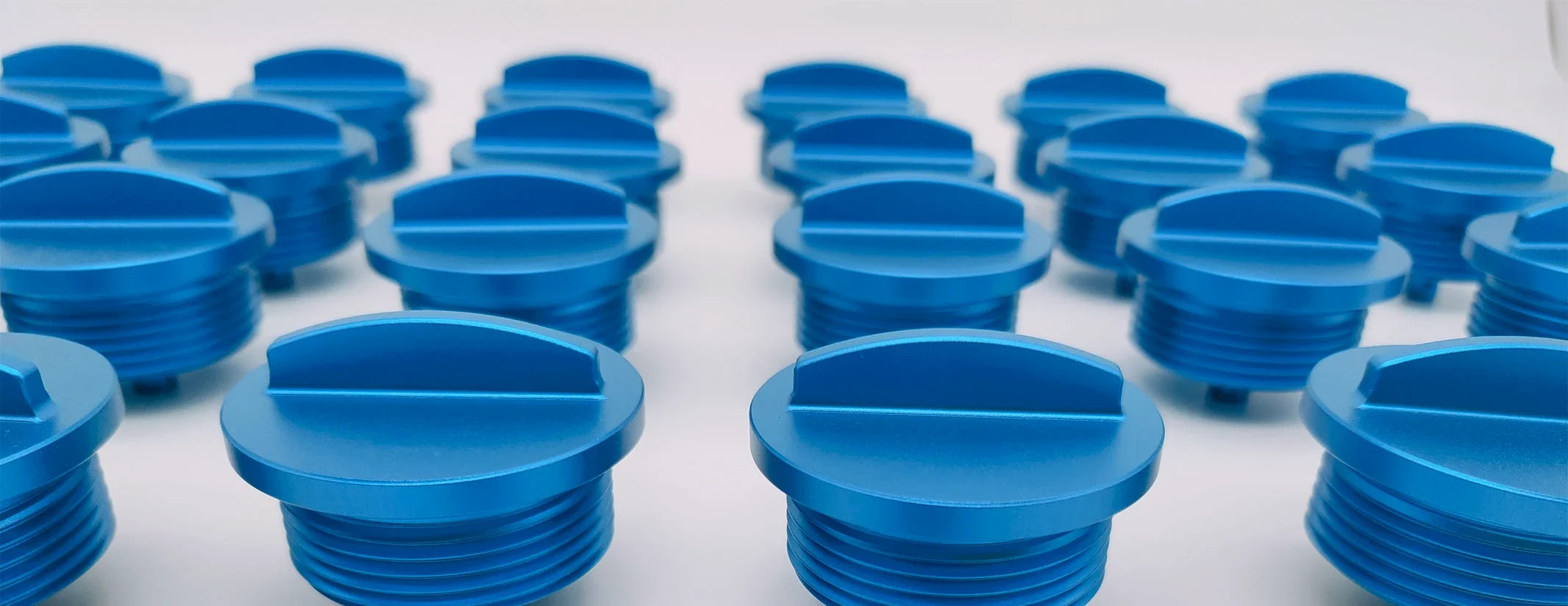
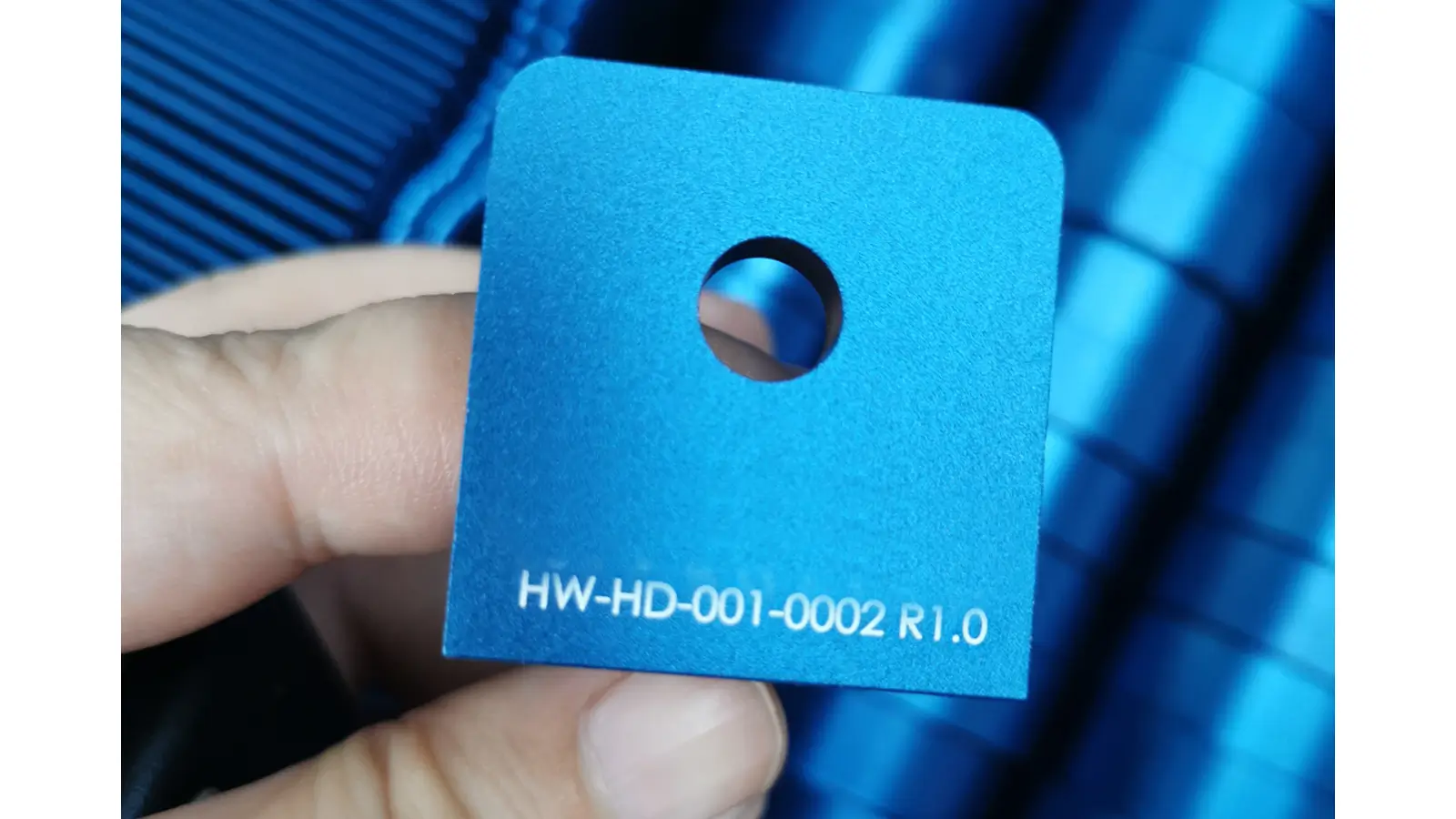
Below is a photo of laser engrave part number on blue anodized aluminum parts.
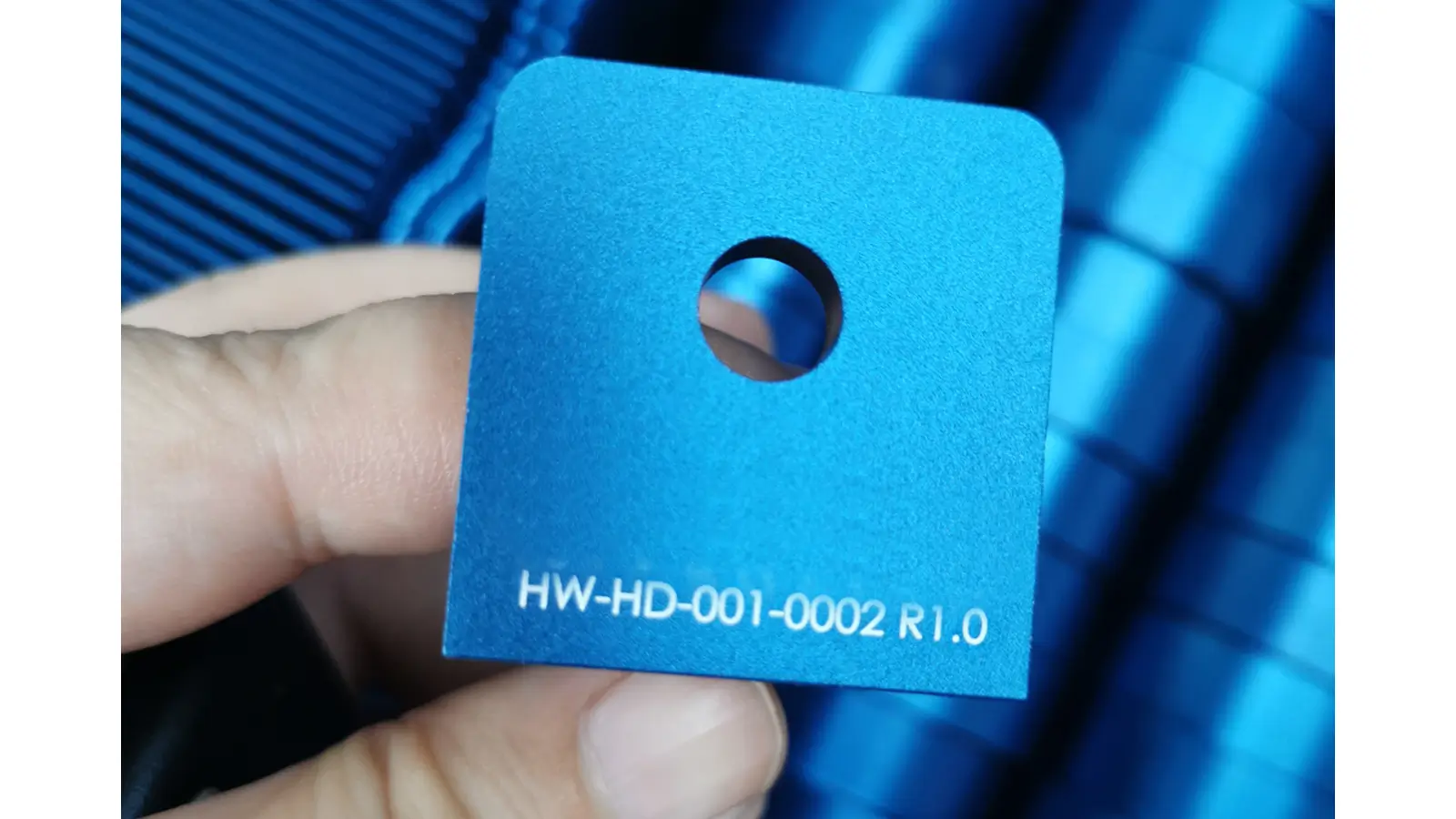
And it is simple to understand how does laser engraving work. Laser engrave is a vaporizing process to create custom pattern on surfaces through the precise application of high levels of heat generated by focused laser beam.
Firstly, a high-energy light beam is generated by a laser tube inside the laser engraving machine. And then the laser beam is focused through a series of mirrors or lens to be concentrated to a fine point on the material.
When the beam is focused on the surface, the intense heat would vaporize and remove the material on a micro level to create a high-contrast text.
The path, power, and speed of the laser beam are all controlled precisely by a computer program to suit specific designs and materials.
For CNC machining and sheet metal fabrication, there are four common types of laser engraving machines: fiber, CO2, diode, and UV laser engravers. They are categorized by their laser source, which determines the materials they can handle, their precision, and their best uses.
It is crucial to choose the right machine for the CNC machined parts and sheet metals. Below we show the information you should know about the four types of laser engraving machines, including how they work, what are they best for, and their pros and cons.
Fiber laser engravers are typically used for metal and some hard plastics. They use a solid-state laser source (doped fiber optic cable) to generate a near-infrared beam with a wavelength of 1.064 µm.
Such a short wavelength would be efficiently absorbed by metal components, making fiber laser engraving machines the top choice for metal marking.
Inside fiber laser engraving machine, laser diodes would pump energy into a fiber optic cable doped with rare-earth elements to create a highly concentrated and intense beam. This beam interacts with metal surfaces to create durable and high-contrast marks without burning or charring.
And fiber laser engraving machines are best for:
The advantages of fiber laser engraving machines are:
The disadvantages of fiber laser engraving machines are:
CO2 laser engraving machines are widely used for non-metal CNC machined parts and certain metals. They use a mixture of carbon dioxide gas along with nitrogen and helium as the laser source to produce an infrared beam with a wavelength of 10.6 µm that can be highly absorbed by organic materials.
For CO2 laser engraving machines, electricity would excite the gas mixture inside the laser tube to create a focused beam of light. This beam vaporizes the surface of the material to create detailed engravings.
CO2 laser engraving machines are best for:
The advantages of CO2 laser engraving machines are:
The disadvantages of CO2 laser engraving machines are:
Diode laser engravers are the most accessible option for beginners, hobbyists, and small businesses. They use semiconductor technology (similar to a laser pointer but more powerful) to produce a visible blue laser beam with a wavelength of 445-450 nm.
Inside the diode laser engraving machines, electrical current would pass through a semiconductor and then a focused laser beam would emit out. These machines are compact and low-power, making them safe and easy to use for light-duty engraving.
Diode laser engraving machines are best for:
The advantages of diode laser engraving machines are:
The disadvantages of diode laser engraving machines are:
UV laser engravers use short-wave ultraviolet light (355 nm wavelength) to create ultra-fine or heat-free engravings. They are ideal for delicate and heat-sensitive materials where traditional lasers might cause damage or warping.
During the UV laser engraving process, the UV beam would break down the molecular structure of the material by photochemical reaction instead of burning it. Then clean and precise marks would form without heat-affected zone.
UV laser engraving machines are best for:
The advantages of UV laser engraving machines are:
The disadvantages of UV laser engraving machines are:
For CNC machined parts, one of the most outstanding advantages of laser engraving is its versatility. Laser engraving is suitable for various materials. By specific right laser engraving machine, desired marks can be achieved on different materials.
Metals and their alloys are one of the most popular engravable materials. Laser engraving can create durable and high-contrast marks that resist fading, scratching, and wear on metal surfaces.
Laser engraving is widely applied to CNC machined parts, industrial components, jewelry, metal tools, and personalized metal items. Common engravable metals include stainless steel, aluminum, brass, copper, precious metals, and coated metals.
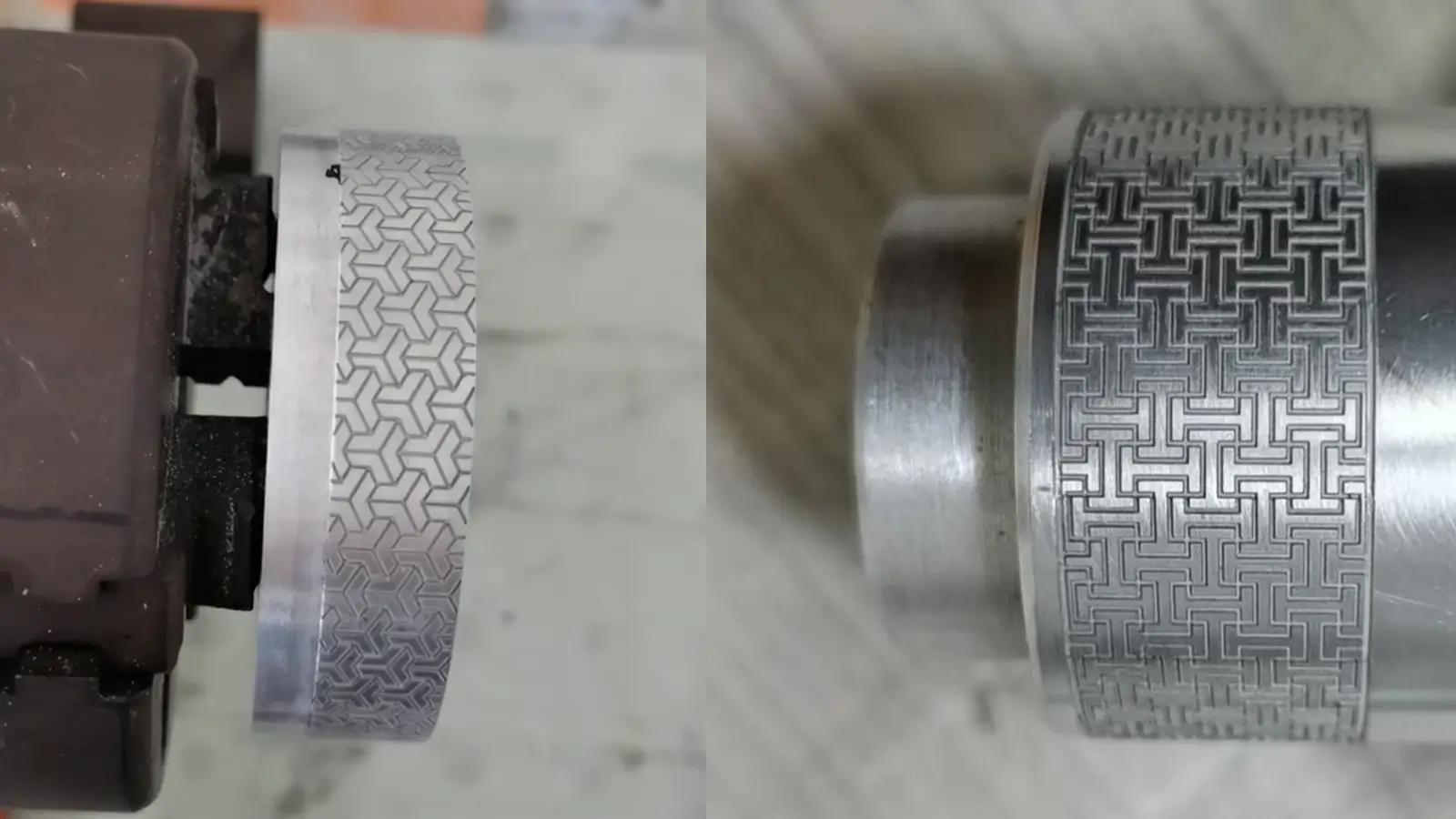
Below are engraved on a CNC aluminum parts.
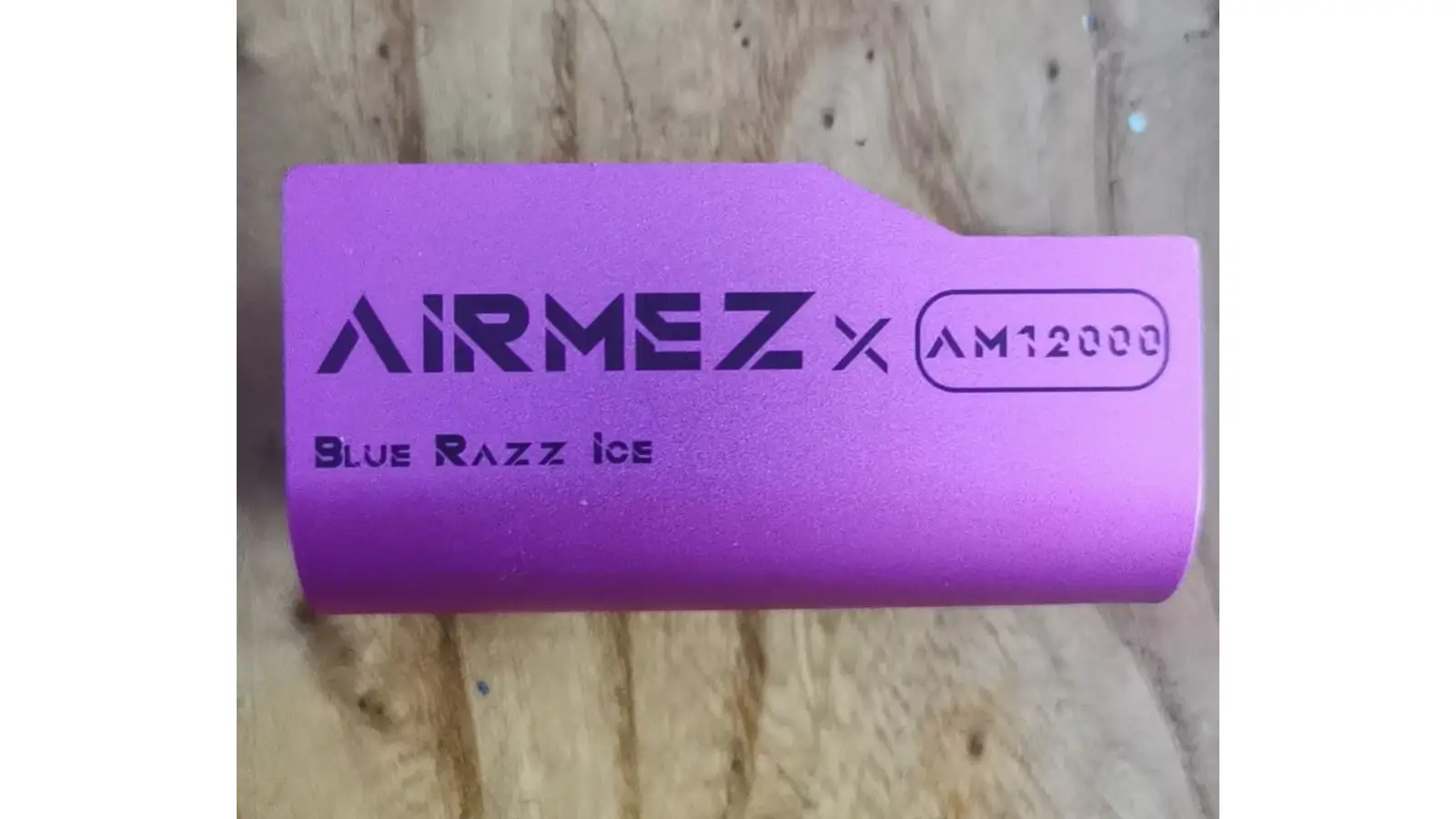
Engraved stainless-steel products usually show black or dark gray high-contrast marks for serial numbers, barcodes, and kitchen tools. Aluminum is often engraved for water bottles, keychains, and automotive parts, with white or light gray marks.
Engraved brass and copper surfaces typically show dark brown to black marks. They are ideal for jewelry, plaques, and decorative items. And precious metals like gold silver are usually required a precise laser for delicate engravings.
As for coated metals such as powder-coated steel or anodized aluminum, laser is used to remove the coating and reveal the base metal, thus creating a sharp contrast.
But not all metals work the same with similar laser engraving machine. It is crucial to choose the right laser for specific products.
Fiber lasers are usually the best engraving machines for metals to create durable and precise text or images. They can engrave both bare metals and coated metals.
CO2 lasers and diode laser can also engrave metals but only for coated metal parts. And they are not suitable for fine and precise engravings. Faint marks are easy to form.
Engraved plastics are widely applied for industrial parts, toys, phone cases, and custom packaging. Common engravable plastics include acrylic, ABS plastics, PC(polycarbonate), PP(polypropylene), and Delrin.
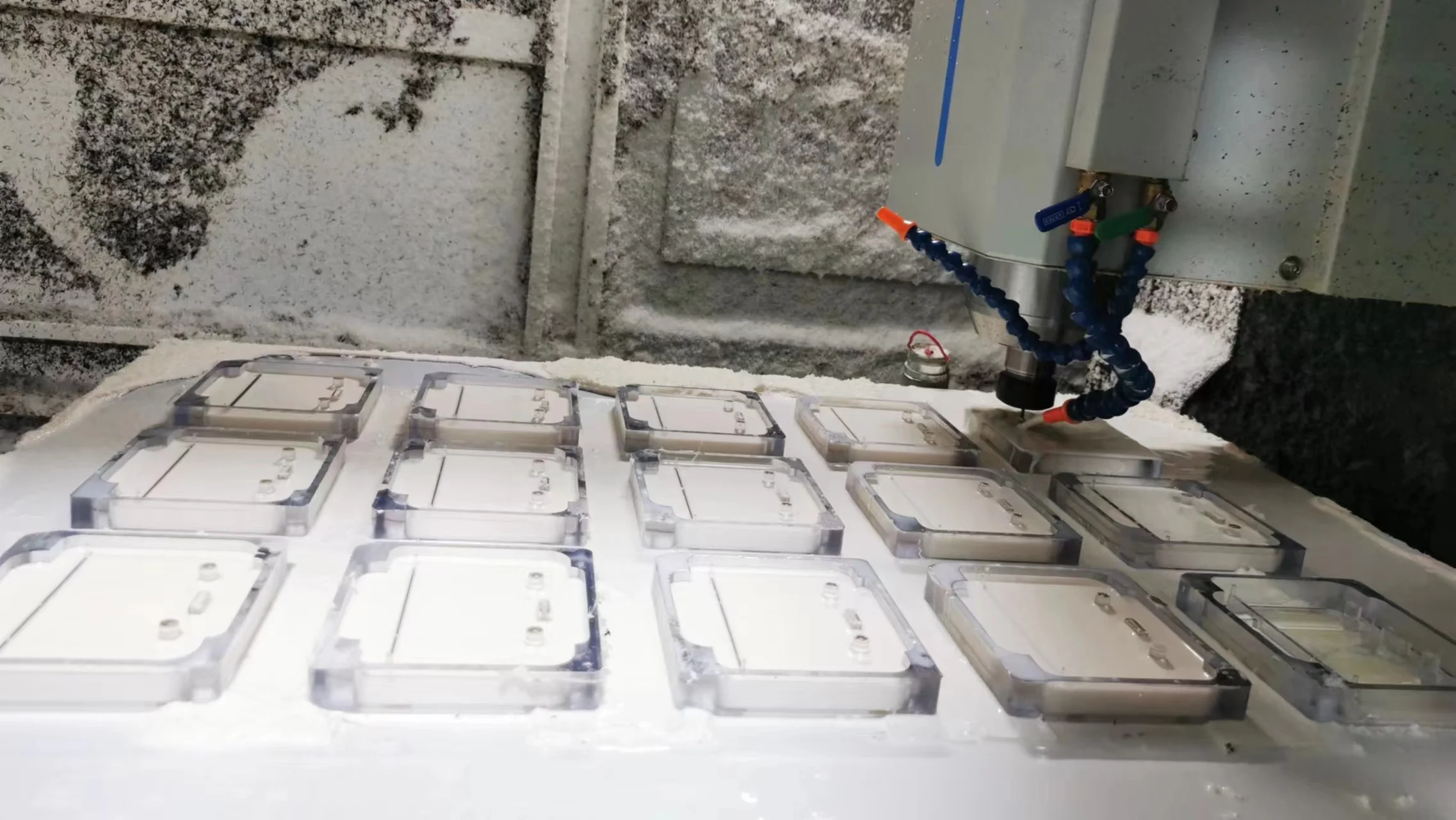
Below is laser engrave on plastic cnc parts.
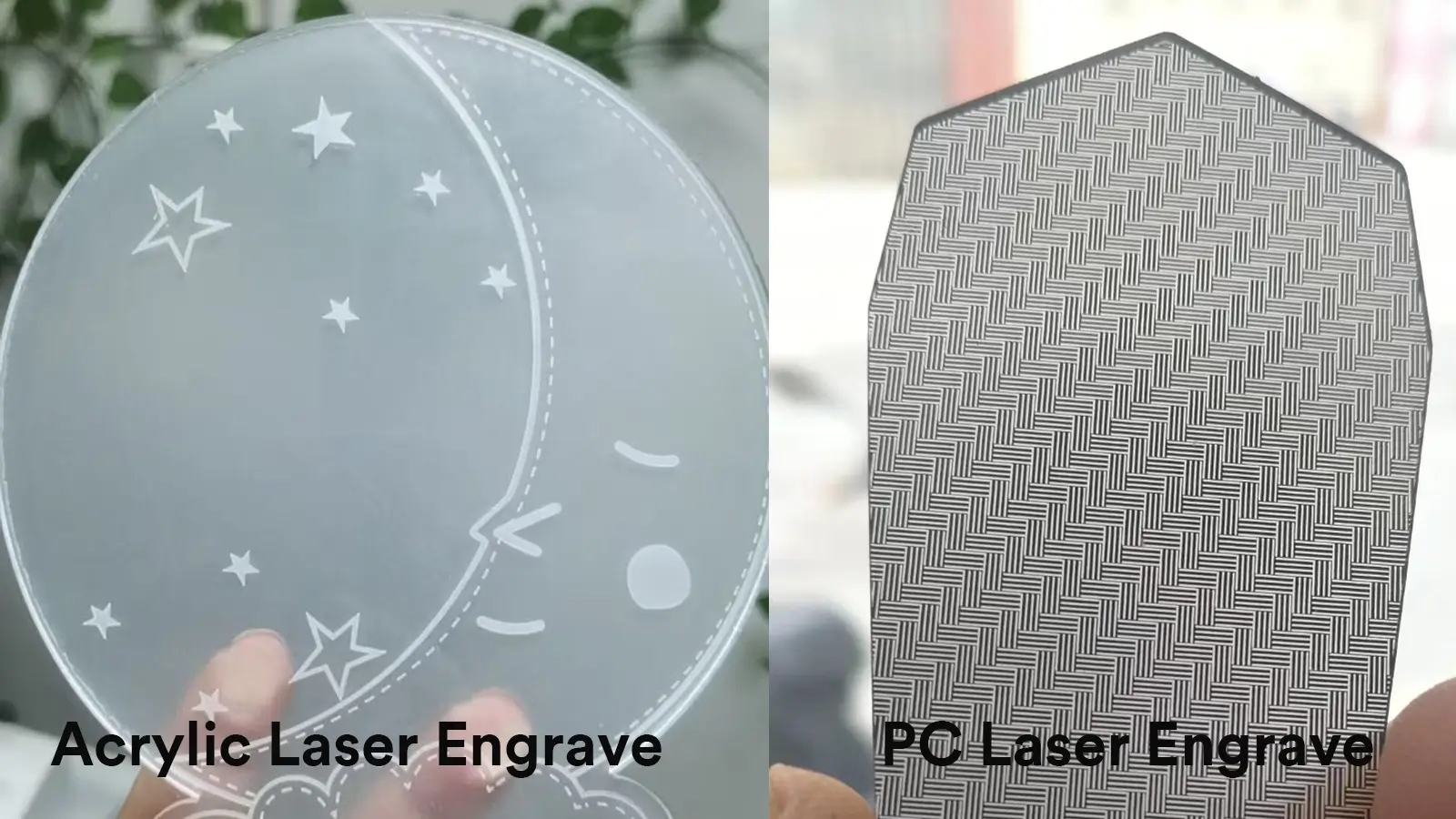
Acrylic, also called plexiglass, is the most popular plastics for laser engraving. It stands out for good clarity and durability. Crisp and high-contrast engravings can be created on acrylic surfaces for signage, trophies, display cases, and custom gifts.
For cleat acrylic, lasers create a frosted, opaque white mark that stands out sharply against the clear background. As for colored acrylic, laser engraving removes the top layer to reveal a lighter shade of the same color. Lasers can also cut acrylic cleanly, making it easy to create custom shapes.
For ABS plastics, light gray marks are created by laser engraving. They are usually used for toys, 3D prints, and industrial parts. PC plastics form frosted marks by laser engraving that are clear and durable for safety glasses and display cases.
PP plastics often show light marks, used for food containers and packaging. While Delrin shows dark marks, used for mechanical parts and gears.
For most engravable plastics, CO2 laser engraving machines are often the most suitable type. For heat-sensitive plastics, UV lasers are better. While fiber laser engraving machines are not effective for most plastics.
And it is recommended to engrave plastics with low to medium power. Additionally, for plastics with protective film, the film should be removed first before laser engraving.
Wood is the go-to material for laser engraving, thanks to its natural texture, affordability, and good reaction with laser beams. Almost all wood types work well with laser engraving, from softwoods to hardwoods. They are usually used for custom gifts, signage, and crafts.
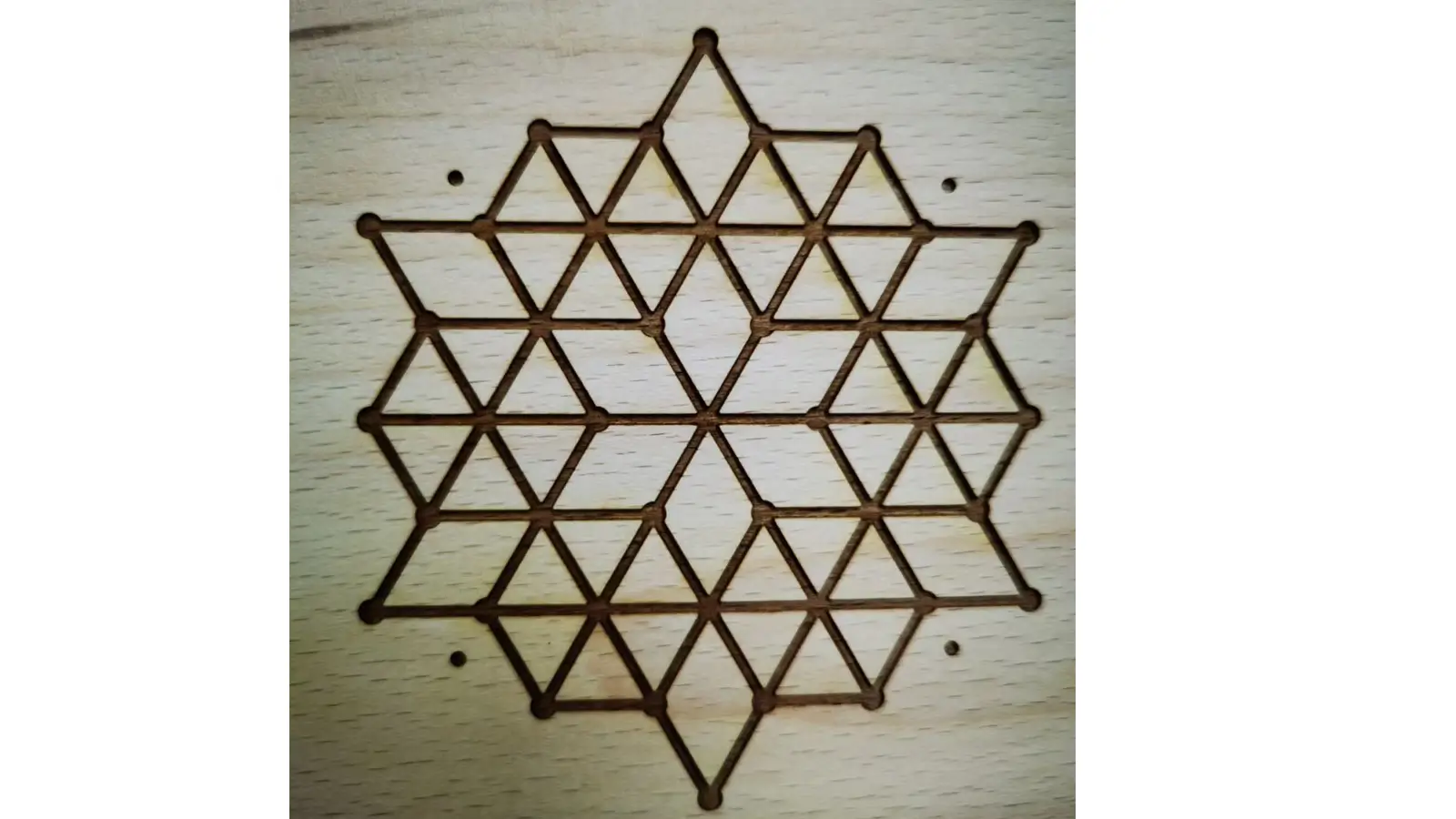
Popular wood types for laser engraving include pine, birch, maple, oak, walnut, plywood, MDF, and basswood. Basswood is a favorite for beginners since its soft and uniform texture makes it easy to create clean and smooth engravings with minimal charring.
During the laser engraving process, laser beam would vaporize the surface of the wood and create a contrast between the natural wood color and the darker, charred engraving.
You can adjust the laser power to get shallow, subtle marks or deeper cuts. For MDF, engraving creates consistent light brown marks without grain, making it ideal for detailed designs or text.
And CO2 laser engraving machines are most suitable for wooden products. Diode lasers can also be used to engrave wood parts, but they are better for hobbyists or small wood products.
Fiber lasers are not recommended for wood engraving since they do not absorb well into wood and produce faint marks. What’s more, unfinished wood parts are best for huge contrast. Painted or stained wood may produce uneven engraving marks.
Leather is also a popular material for laser engraving. Laser engraving can create soft and tactile marks that add character to bags, wallets, belts, keychains, and custom accessories. And both natural and synthetic leather work with laser engraving.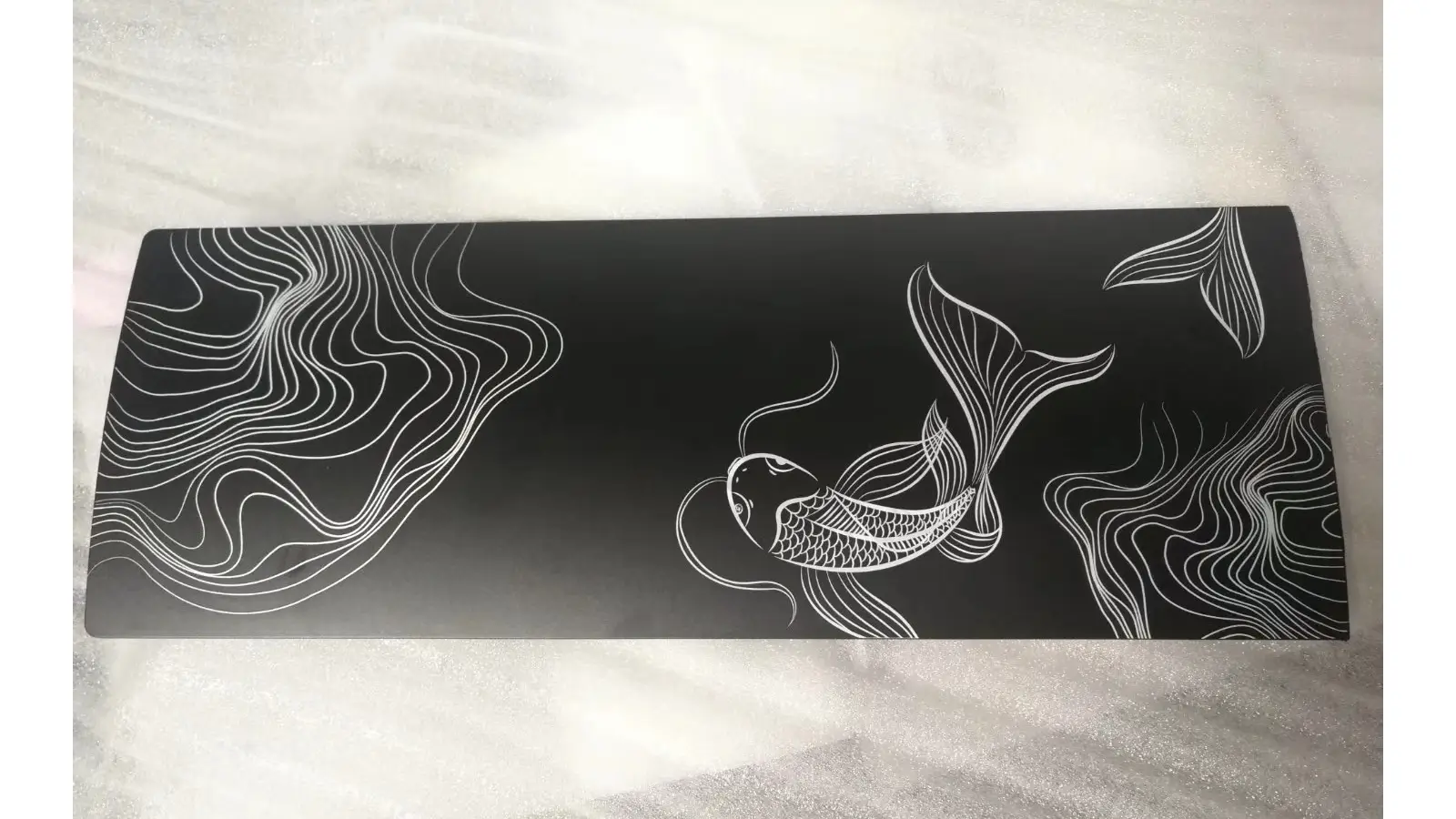
Common leathers widely used for laser engraving include full-grain leather, top-grain leather and PU leather. However, heavily treated or coated leather are not suitable for laser engraving since they may peel or bubble.
Usually, natural leather would form warm, brown-to-black contrast while synthetic leather may show lighter and more faded marks.
And CO2 laser engraving is the most suitable type for leather. Diode lasers can be used for small leather projects. But fiber lasers are not recommended.
What’s more, low power is recommended for leather engraving. And it is better to test engraving performance on a scrap piece first since leather varies in thickness and texture.
Glass and ceramics with engraved marks or images are popular for personalized gifts and decorative items. Laser engraving on these materials creates frosted and durable marks that would not fade or wash off, and no paint or stickers are needed.
Clear glass, colored glass, ceramic mugs, ceramic tiles, and porcelain are common types for laser engraving. But avoid tempered glass as lasers can cause it to shatter.
For these materials, lasers usually etch the surfaces to create frosted marks that are smooth to touch. And CO2 lasers are commonly used for general engraving on glass and ceramics. UV laser engraving is typically used for delicate and precise products.
And low-power but high-speed engraving settings are recommended for glass to prevent cracking.
Laser marking is a highly versatile process that allows a wide range of information to be permanently applied to CNC machined parts. Depending on the application requirements, the following types of content can be laser engraved or marked:
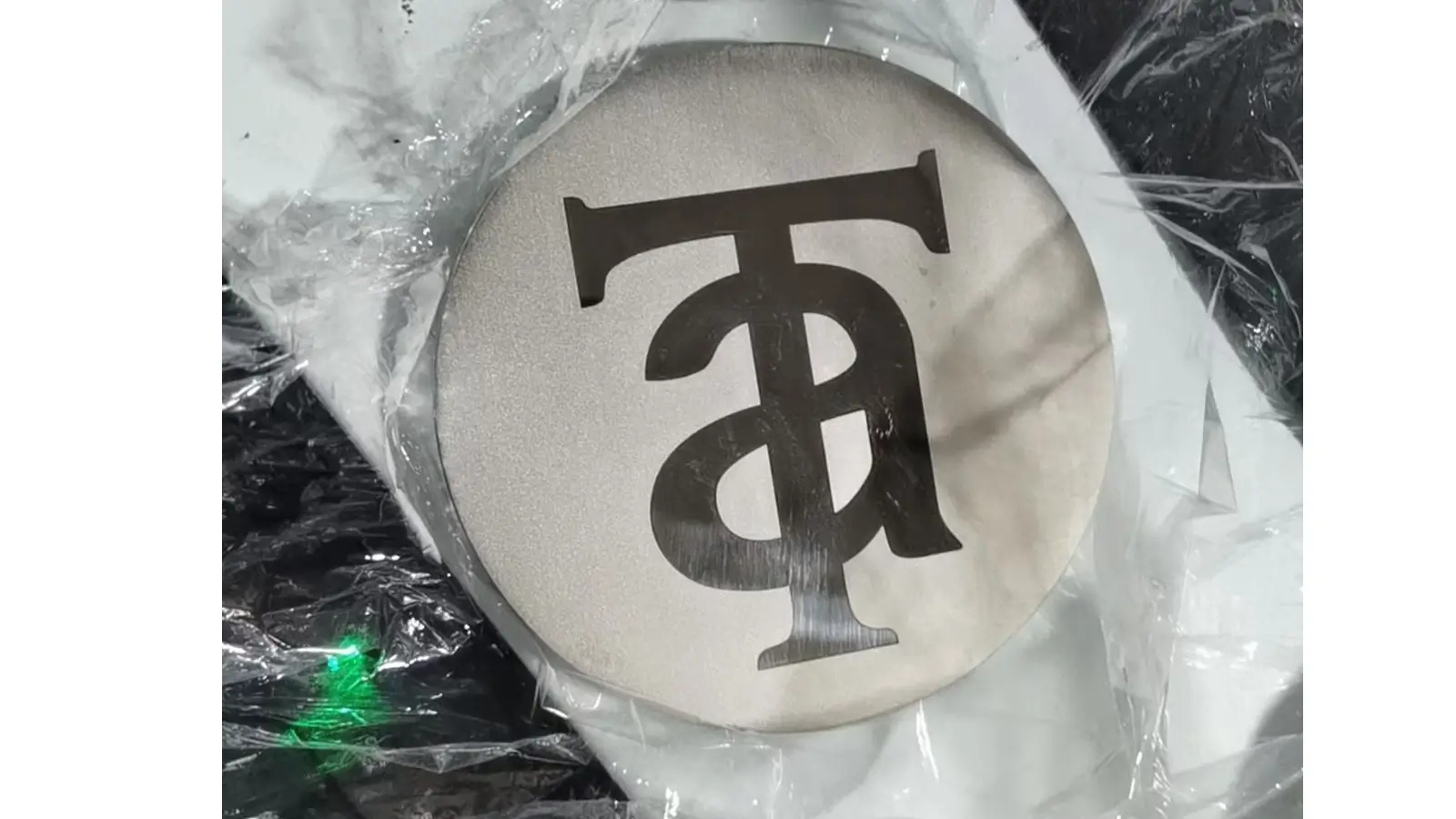
Company logos, brand names, and trademarks are the most common laser marking content. Laser marking ensures high precision, sharp edges, and a premium appearance, making it ideal for both industrial components and consumer products.
A photo of Logo engraved is shown below.
Laser marking is widely used to create serial numbers (SN), batch numbers, and unique identification codes. These markings support product traceability, quality control, and after-sales service.
Typical formats include:
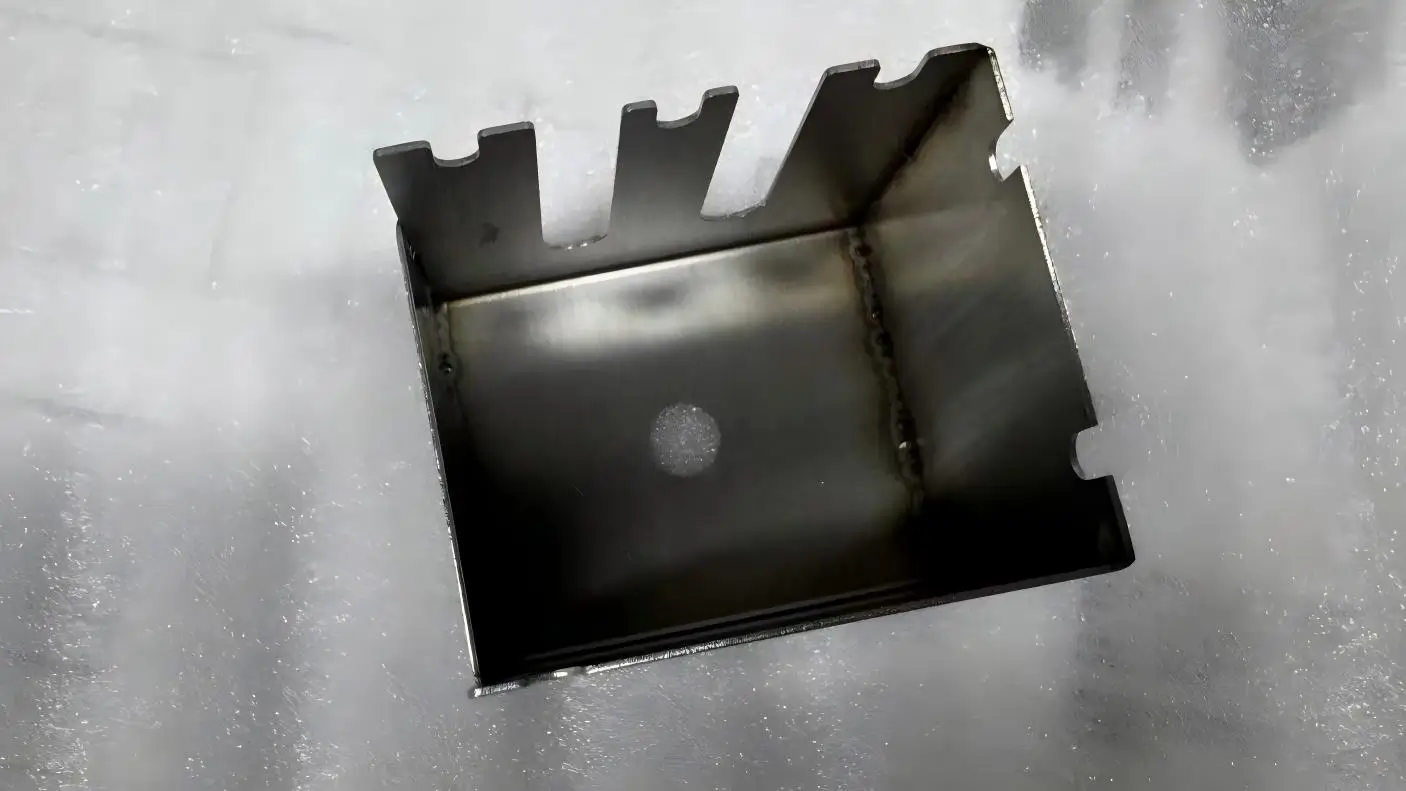
The part number is laser-engraved on a sheet of metal below.
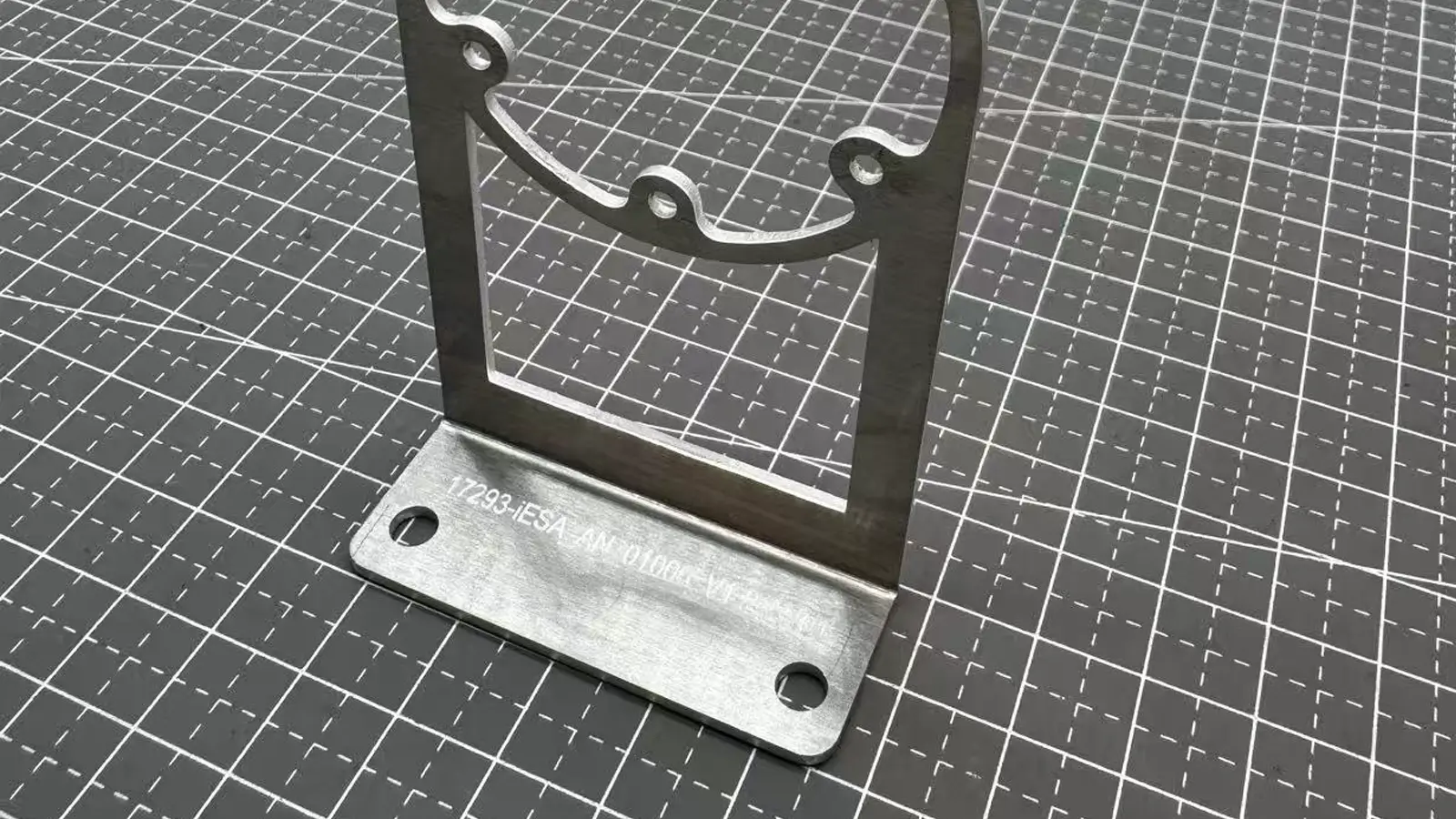
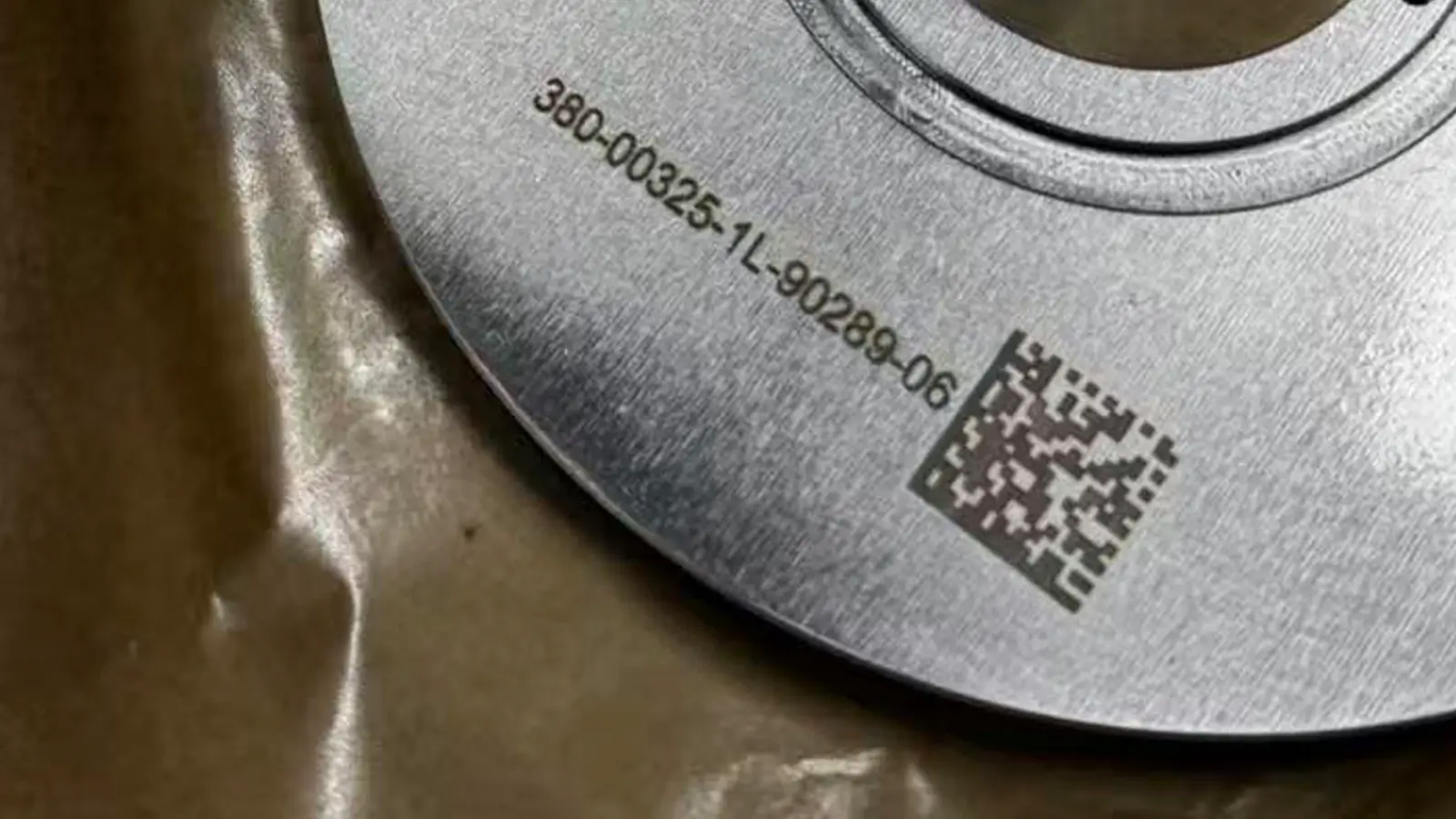
Laser marking enables high-contrast and machine-readable codes such as:
These are commonly used in industrial manufacturing, supply chain tracking, and digital product management systems.
Data Matrix code is laser-engraved.
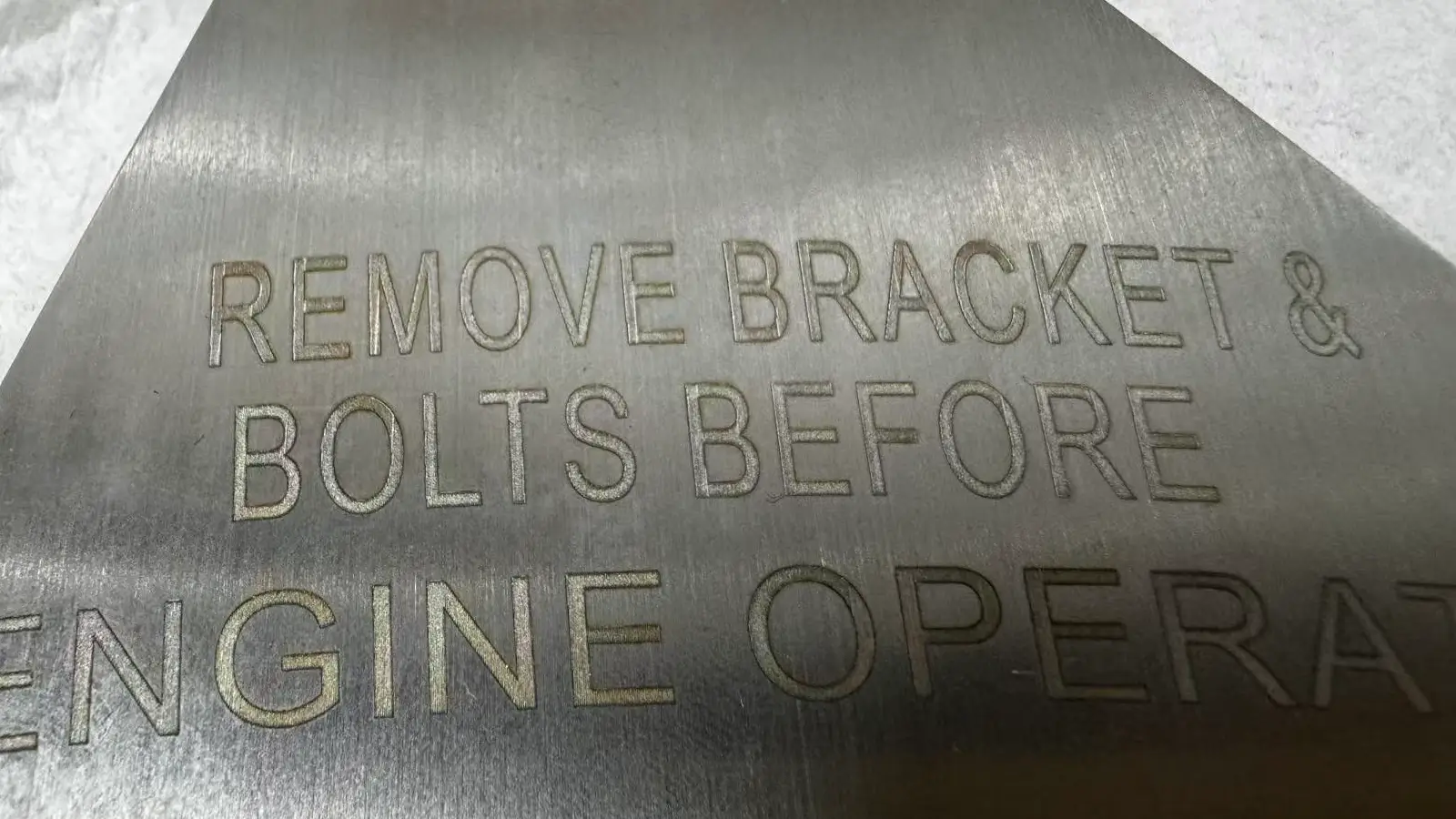
Laser marking can apply clear and durable text, including:
This is especially important for compliance, identification, and user guidance.
Various symbols can be laser marked to enhance usability and compliance, such as:
Laser technology also supports customized patterns, textures, and artistic designs. This is commonly used in high-end CNC parts to improve product aesthetics and perceived value.
For precision components, laser marking can create:
These are widely used in tools, instruments, and mechanical assemblies.
Laser marking on CNC parts is not limited to simple text or logos. It supports a wide range of functional and decorative content, including identification, traceability, branding, and technical markings.
The most common laser-marked content includes logos, serial numbers, QR codes, and product information, all of which benefit from high precision, durability, and permanent readability.
Unlike painting or printing, laser marking does not apply pigments to a surface.
Instead, the color is created through material reactions, such as oxidation or carbonization, or by removing surface coatings.
As a result, the available colors for laser marking on CNC parts are limited and highly dependent on the material and surface finish.
Black is one of the most common laser marking colors, especially on stainless steel. It is typically achieved through an annealing process that creates a dark oxide layer on the surface without removing material.
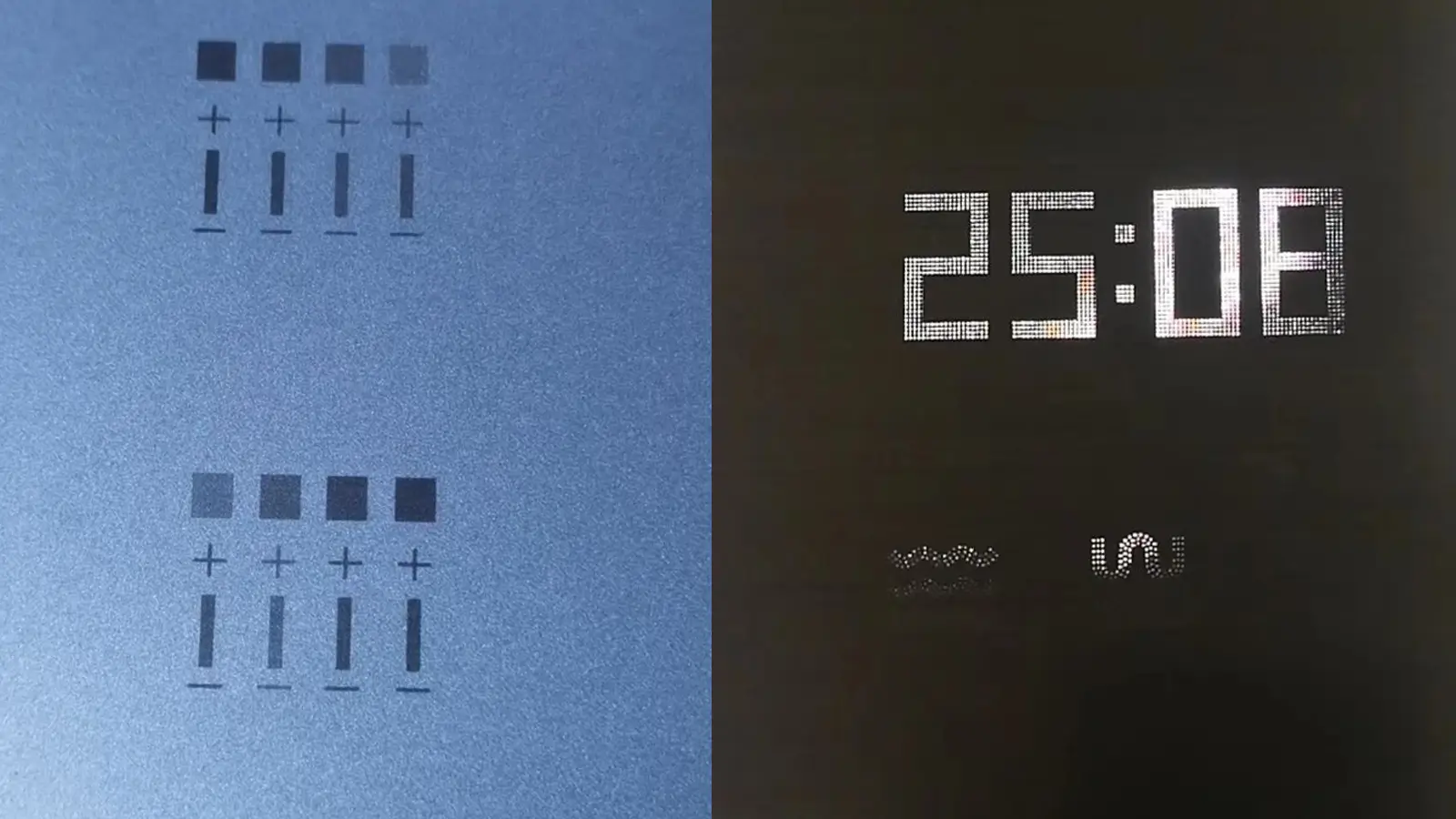
White marking is most commonly seen on anodized aluminum parts. The laser removes the anodized layer, exposing the natural aluminum underneath and creating a high-contrast white appearance.
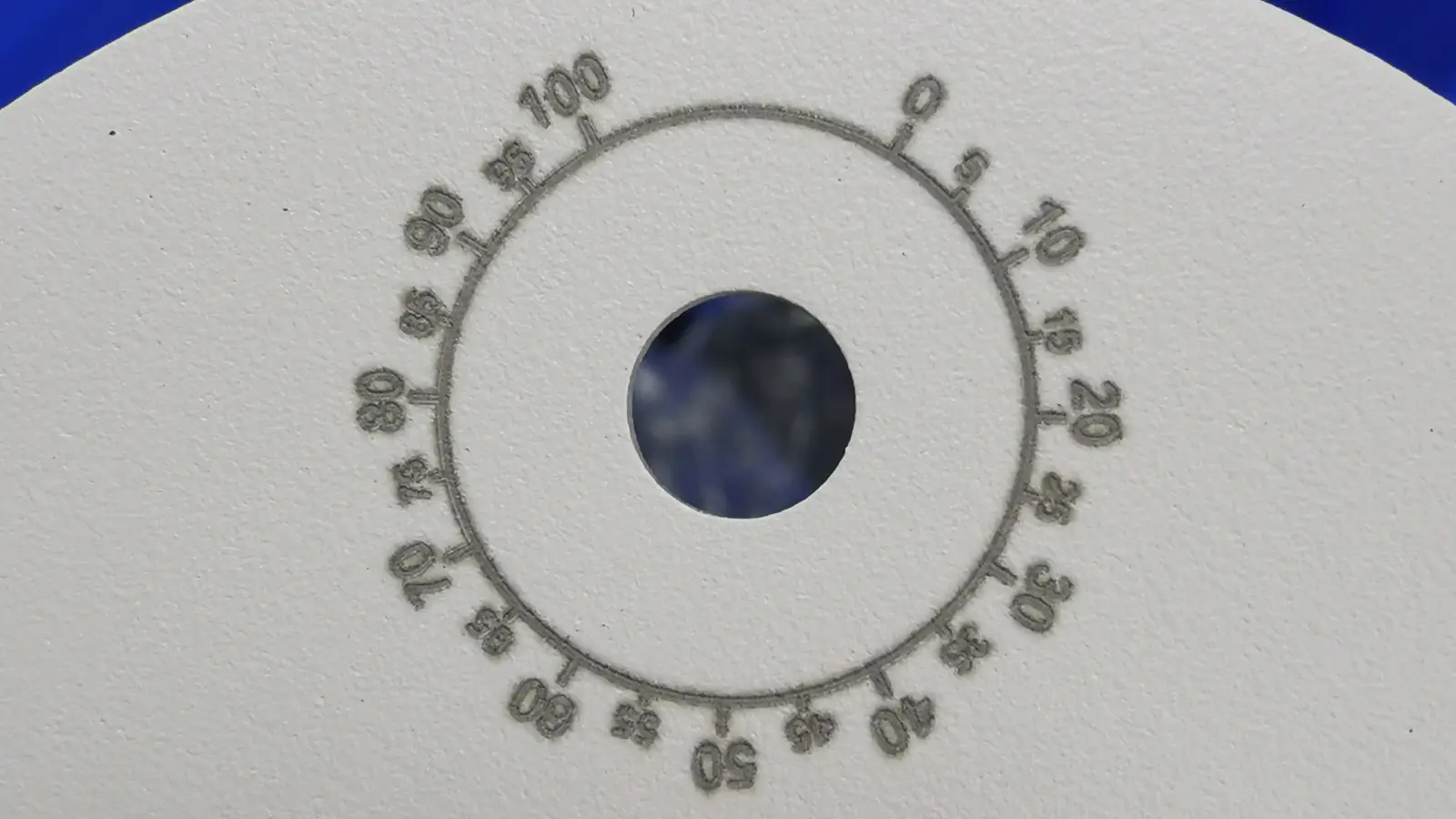
Gray marking is a neutral effect that can be achieved on both metals and plastics. It typically results from light surface modification or shallow engraving.
This effect is created by removing coatings such as anodizing or paint, revealing the base metal color (usually silver or metallic).
For CNC machined parts, the most reliable and widely used laser marking colors are black, white, gray, and natural metal tones. These colors provide the best balance of contrast, durability, and consistency, especially for industrial applications such as logos, serial numbers, and QR codes.
Laser engraving is a precise, non-contact process that uses a concentrated laser beam to create permanent marks, designs, or text on various materials. To achieve the desired engraving performance, the right processing steps are important.
The first step in any laser engraving project is creating or importing the design for laser engrave. This is done using graphic design software.
And for best precision, the design should be saved in a vector format because vector files use lines and curves instead of pixels, allowing the laser to follow the design with sharp, accurate edges.
You can also import existing designs and adjust their size, shape, or details to fit your material.
Next, choose the right material. Laser engraving works on most materials, but the type of laser and settings will vary based on the material’s density and composition.
Common materials include wood, acrylic, leather, stainless steel, glass, and plastic. Before engraving, it is crucial to clean the surface thoroughly.
Any dust, debris, or oils should be removed from the surface to ensure the laser interacts smoothly with the material and produces a clean and consistent mark.
Once the design and material are ready, set up the laser engraving machine. Start by placing the prepared material on the machine’s bed and aligning it correctly. Then, upload the design to the engraver’s software.
And adjust parameters including power, speed, and frequency. These settings depend on the material type and the desired engraving depth.
For example, use low power and high speed for delicate materials like glass, and high power with moderate speed for dense materials like metal.
After the crucial parameters are set, it is important to engrave a small test pattern on a sample piece of the same material. This test confirm the settings before you commit to the real parts.
You should check the visible cleanliness, engraving depth, edge quality, and if there are any discoloration around the marks.
Once the test passes, run the production batch. The laser would follow the programmed path, typically vector lines for outlines or raster scanning for filled areas.
During the laser engraving process, operators should monitor fume extraction and lens cleanliness. And if the parts become hot to the touch, stop engraving.
After engraving, check the parts and clean any residue or smoke marks from the surfaces.
Since CNC machined parts are typically precise, marking method used on these parts should offer the same performance. Laser engraving offers a unique set of advantages that other marking methods simply cannot match. Below are the key benefits for CNC machined parts.
CNC machining is all about tight tolerances, and laser engraving follows that same standard. Laser engravers use intense and focused laser beams that can create extremely fine details without damaging the CNC part’s structure.
One of the biggest advantages of laser engraving for CNC parts is that it is a non-contact process. Many CNC machined parts are thin-walled and delicate with tight tolerances.
The laser beam does not physically touch the surfaces, which prevent scratches, dents, deformation and tool wear. The parts can remain exactly as machined.
Laser engraving creates permanent marks that are resistant to wear, corrosion, chemicals, and high temperatures, making it ideal for CNC parts that are used in harsh environments.
Unlike ink-based marking which can fade or rub off over time, laser engraving physically alter the surface or remove a thin layer of the material, creating a permanent indentation or color change that would not degrade.
On metals, it creates an oxide layer or microscopic texture that is part of the part itself. It cannot be rubbed off, washed away, or worn down.
CNC machining is typically compatible with various materials such as stainless steel, aluminum, titanium, brass, copper, Delrin, ABS, nylon, and more.
With one fiber laser machine, you can mark all common metals and many engineering plastics. It is not needed to buy different machines for different materials. While a CO2 laser engraving machines can engrave most organic or non-metal parts.
Laser engraving is a fast process, even for detailed marks on CNC parts. Unlike traditional marking methods that require tool setup, stencils, or multiple passes, laser engraving can mark a part in seconds, depending on the design size.
Such efficiency integrates well with CNC production lines, allowing for inline marking without slowing down manufacturing. For high-volume CNC part production, laser engraving reduces lead times and increases productivity, making it a cost-effective solution for businesses.
While the initial investment for a laser engraving system is usually higher than traditional marking methods, it offers long-term cost savings. Laser engraving does not require any consumables like ink, stencils, or tool bits, reducing ongoing expenses.
It also has low maintenance requirements and a long lifespan, making it a cost-effective choice for businesses that produce CNC machined parts in high volumes. Additionally, the precision of laser engraving reduces waste.
For CNC machined parts and sheet metal fabrication, laser engraving is typically an optimal marking method. It can create highly durable and precise marks on various materials without any physical damages.
Laser engraving can meet the requirements on tight tolerances and precision for CNC machined parts and on delicate or thin features for sheet metals.
Generally, laser engraving will not damage the surface.
Low-energy marking only changes the surface color or oxide layer (e.g., black marking), with almost no depth change and no structural impact.
High-energy engraving can achieve deeper etching (approx. 0.01–0.1 mm), which removes a tiny amount of material but generally does not affect the strength of most parts.
Black/white oxide marking and deep engraving are very durable—resistant to abrasion, solvents, and high temperatures, making them suitable for long-term use.
Color marking (thin-film interference) is relatively more delicate and may be scratched or affected by chemicals.
Most metals can be engraved, but results vary significantly.
Stainless steel, titanium, and aluminum work best. Copper and brass have high reflectivity and may require higher power or special treatment. Coated metals (e.g., zinc-plated) can also be engraved, but the coating may be damaged.
Fiber lasers can typically produce clear letters as small as 0.5 mm in height. Smaller text (e.g., 0.2 mm) requires high-precision equipment and is usually difficult to read with the naked eye—often used for anti-counterfeiting micro-marking.
Pros: Permanent, non-contact (no stress), high precision (micro text / QR codes), flexible (no tooling, easy design changes), environmentally friendly (no inks or chemicals).
Cons: High equipment cost, less stable color results than screen printing, slower for deep engraving.
Yes. QR codes with high contrast (e.g., white on black or black on white) are easy to scan. A minimum size of 5×5 mm is recommended. Low-contrast codes (e.g., natural metal color) may be difficult to scan.
Yes. The laser can remove the anodized layer to reveal the bare aluminum (white/silver finish), or—with adjusted parameters—create black/dark gray marks on the anodized layer without damaging it.
Vector formats (AI, DXF, CDR, SVG) are preferred because they produce sharp edges and are infinitely scalable without loss of quality. Bitmap formats (JPG, PNG) can also be used, but results depend on resolution—at least 300 dpi is recommended.
Most shops charge a small sampling fee to cover material and setup time. This fee may be refunded with a production order.
Typical engraving depth ranges from:
Light engraving: 0.01–0.05 mm
Deep engraving: 0.05–0.5 mm or more
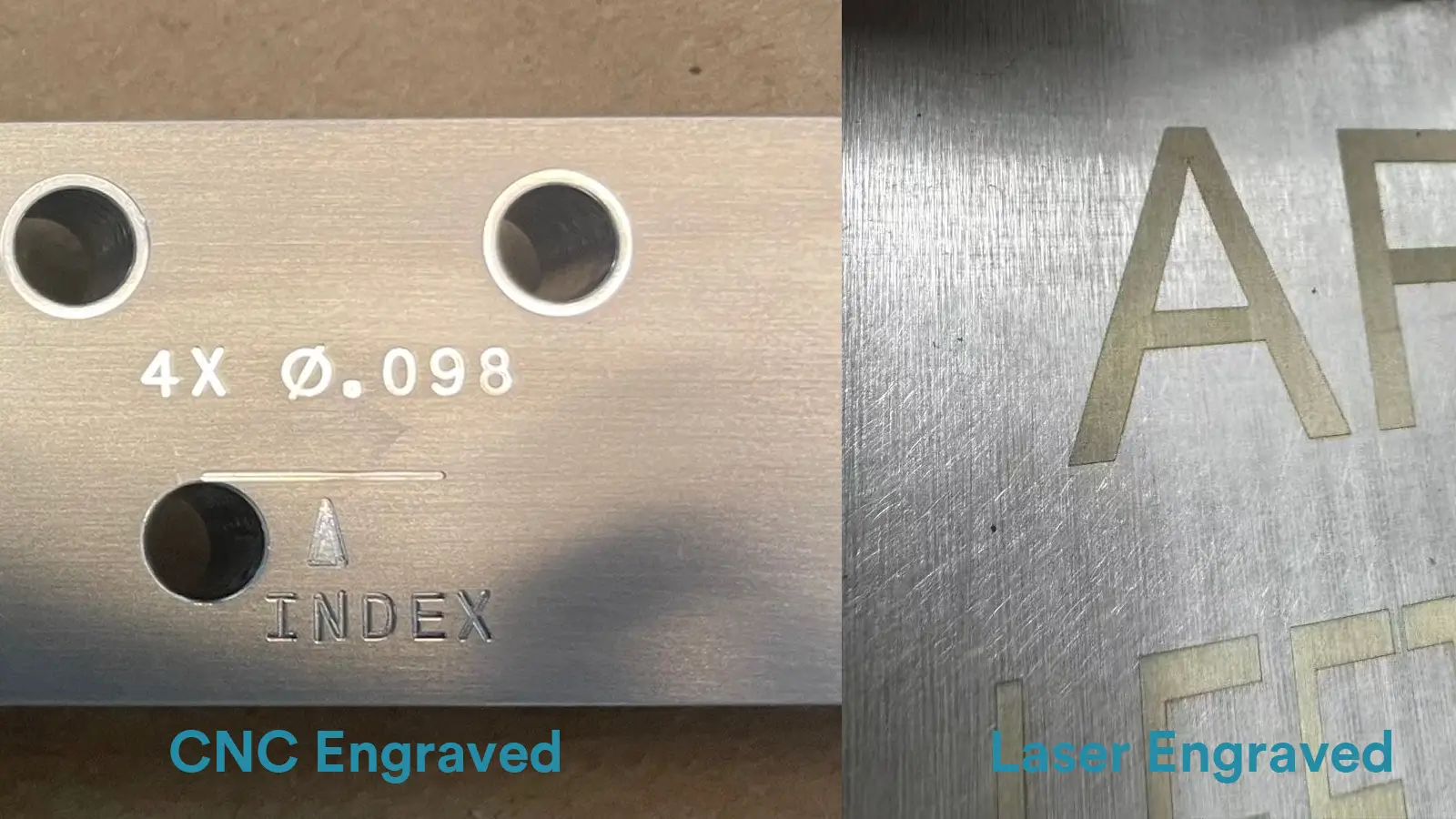
The two most significant advantages of laser engraving over CNC machining are speed and precision:

5-Axis CNC machining is a manufacturing process that uses computer numerical control systems to operate 5-axis CNC machines capable of moving a cutting tool or a workpiece along five distinct axes simultaneously.

China is the best country for CNC machining service considering cost, precision, logistic and other factors. Statistical data suggests that China emerges as the premier destination for CNC machining.

Selecting the right prototype manufacturing supplier in China is a critical decision that can significantly impact the success of your product development project.

Machining tolerances stand for the precision of manufacturing processes and products. The lower the values of machining tolerances are, the higher the accuracy level would be.