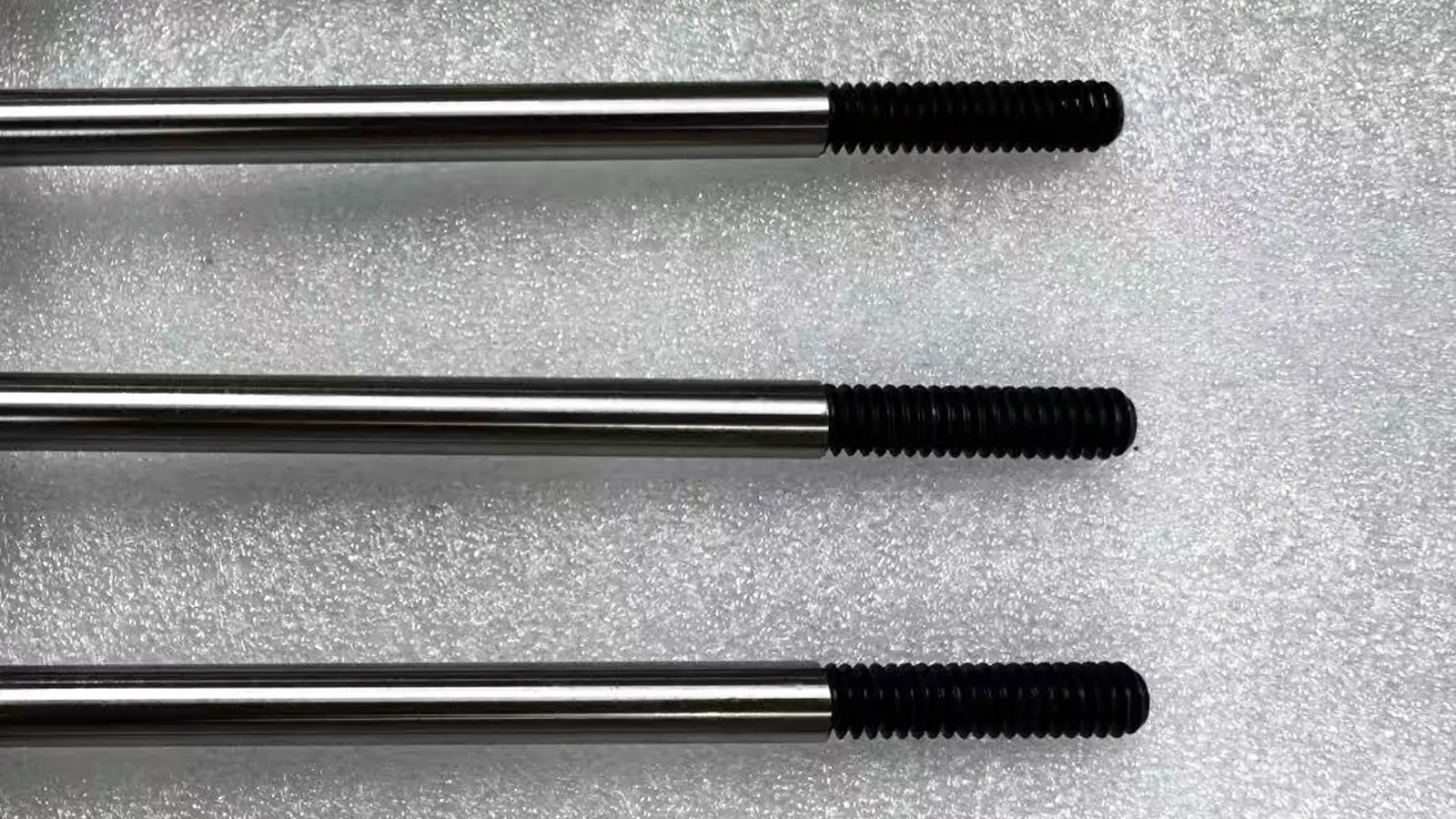
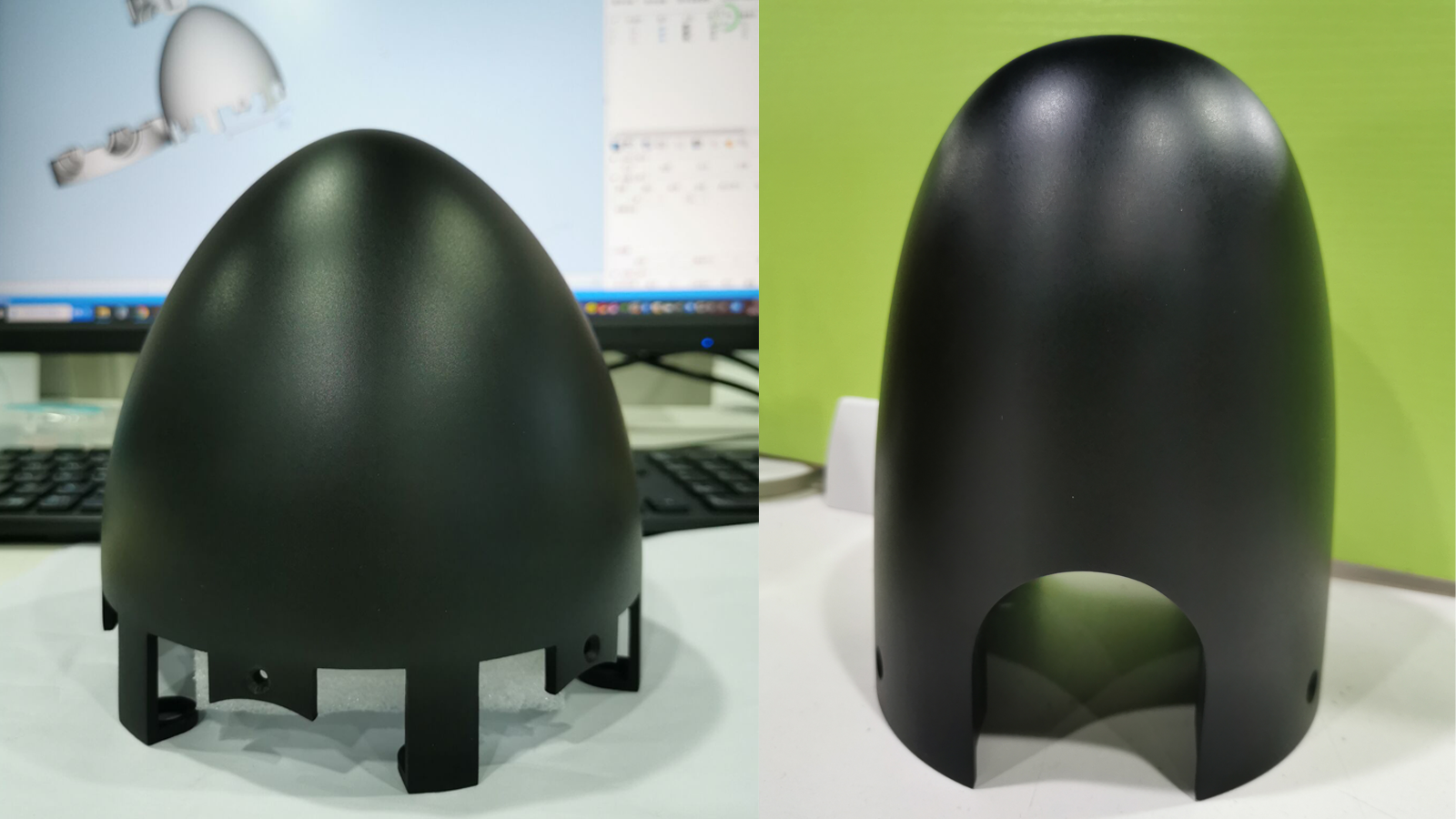
In the world of high-end manufacturing and precision engineering, CNC-machined titanium parts have become essential in aerospace, medical devices, precision molds, and top-tier industrial products.
However, even though titanium naturally resists corrosion and offers an excellent strength-to-weight ratio, machined surfaces can still face issues like galling, wear, machining stress, and microscopic roughness—all of which can directly affect a part’s lifespan, reliability, and assembly accuracy.
That’s why choosing the right surface treatment for titanium isn’t just about looks—it’s an engineering necessity to ensure performance and long-term dependability.
In this guide, we’ll walk through the main surface treatment options for CNC titanium parts, including bead blasting, anodizing, micro-arc oxidation (MAO), polishing, and physical vapor deposition (PVD).
You’ll learn how each process works, what it’s best for, and where it’s commonly applied—giving engineers and buyers a clear, practical reference for making informed decisions.
Key Takeaways:
Even though titanium naturally offers excellent corrosion resistance, CNC-machined parts often require additional surface treatments to address several key challenges:
Galling is essentially a severe form of adhesive wear, sometimes described as “cold welding.”
Here’s why titanium is particularly vulnerable:
Titanium’s corrosion resistance comes from an extremely thin but dense oxide layer (mainly TiO₂). Under high pressure or sliding friction, this layer can easily be scraped off.
Once exposed, the fresh titanium atoms are highly reactive and quickly form strong molecular bonds with contacting metal surfaces.
In short, titanium is a very active metal at heart.
From a materials science perspective, titanium has high stacking-fault energy. This means dislocations (defects in the atomic arrangement) can move across slip planes more easily, making titanium more prone to plastic deformation under pressure.
When two surfaces press together, microscopic peaks (asperities) don’t just break off—they deform, merge, and can literally weld together at contact points.
Titanium conducts heat poorly—only about ¼ as well as steel. Heat generated during friction can’t dissipate quickly, causing localized temperature spikes.
This softens the metal and accelerates chemical reactions, making “micro-welding” happen almost instantaneously.
Titanium-on-titanium and even titanium-on-steel have relatively high friction coefficients, and titanium lacks self-lubricating properties.
Without surface treatment, the energy generated during friction is significant, easily triggering the cold-welding mechanism described above.
Surface treatments like PVD coating or hard anodizing work by altering the molecular structure of the surface or adding a high-hardness coating on top.
This not only lowers the friction coefficient but also prevents microscopic cold welding, greatly extending the part’s service life.
On a microscopic level, a CNC-machined surface is made up of countless peaks and valleys.
Titanium is both hard and elastic, so during tight-fit assembly, these microscopic peaks create extra resistance, which can push actual assembly dimensions outside the intended tolerances.
CNC machining also induces stress in titanium parts.
Surface treatments like bead blasting or chemical polishing remove the stressed surface layer (often called the alpha case), preventing micro-deformation after assembly due to stress relief. This helps ensure long-term dimensional stability and fit.
In aerospace or hydraulic systems, titanium parts are often used in sealing interfaces.
Untreated machined surfaces retain microscopic tool marks, which can become potential leakage paths for fluids.
Treatments like electropolishing effectively reduce the Ra value and increase the surface’s bearing ratio.
A smoother surface makes better contact with seals (like O-rings or metal gaskets), significantly improving airtightness and pressure resistance.
Titanium anodizing is one of the most common and functional surface treatments for CNC-machined titanium parts.
The two main types of titanium anodizing are Type II and Type III.
Often referenced in industry standards like AMS 2487 or AMS 2488, Type II anodizing results in a gray or dark finish. Its main purposes are anti-galling and enhanced wear resistance.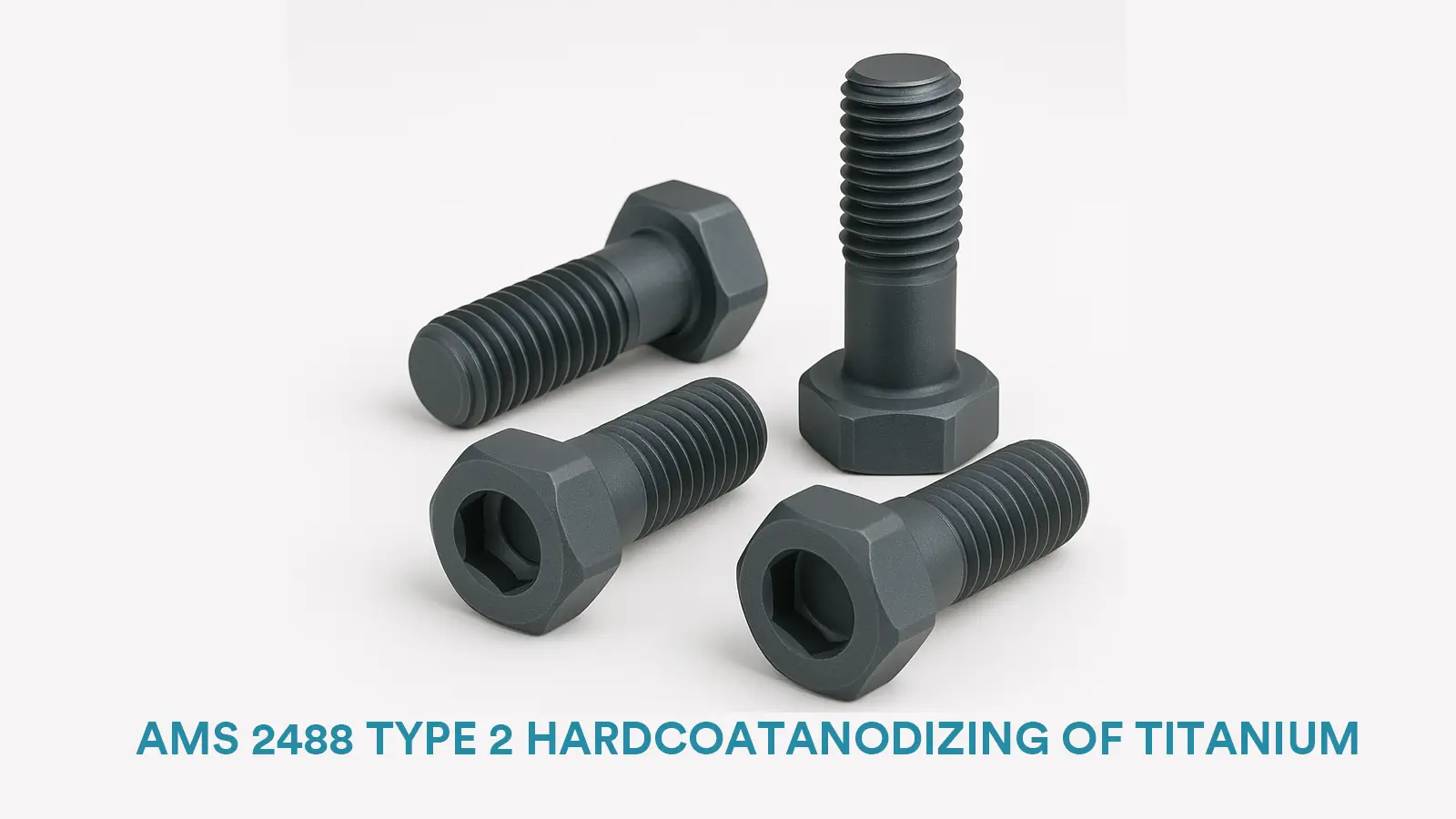
This type significantly improves the metal’s surface properties and is commonly used for aerospace fasteners and mechanical components that experience sliding friction.
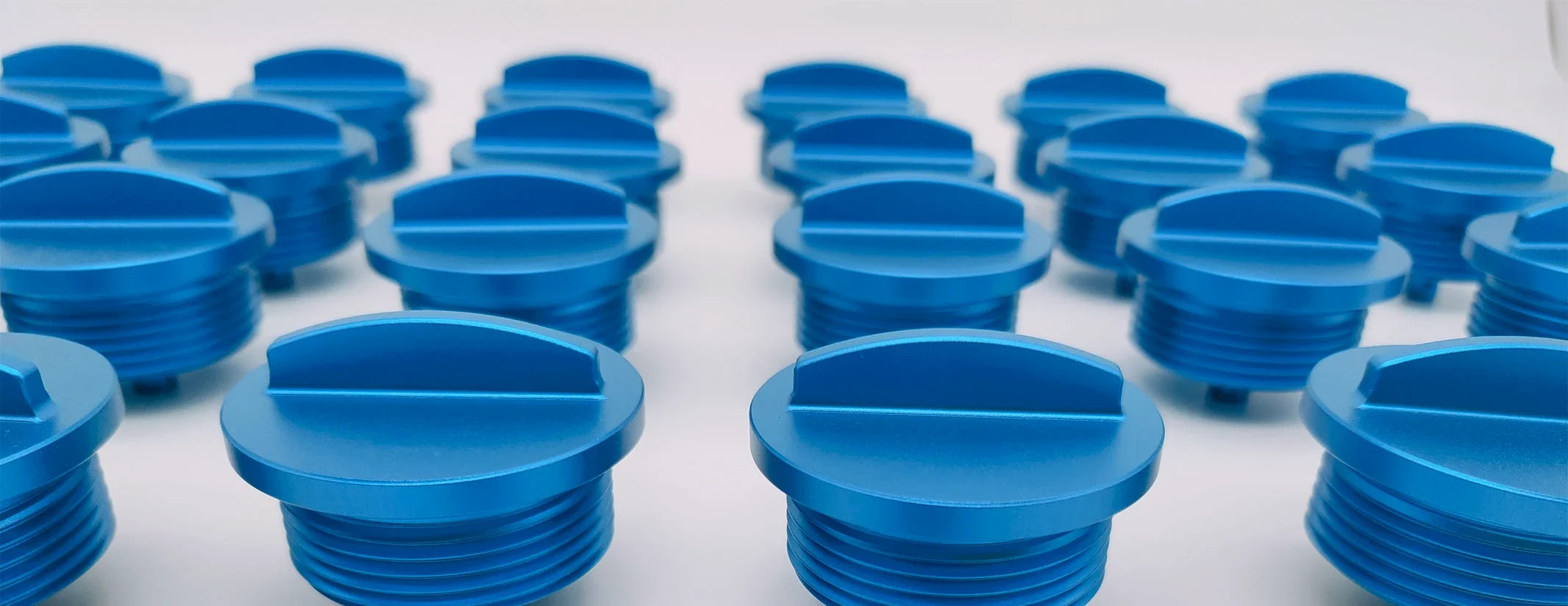
This type produces vibrant colors—like gold, blue, purple, or green—by adjusting the voltage during the process.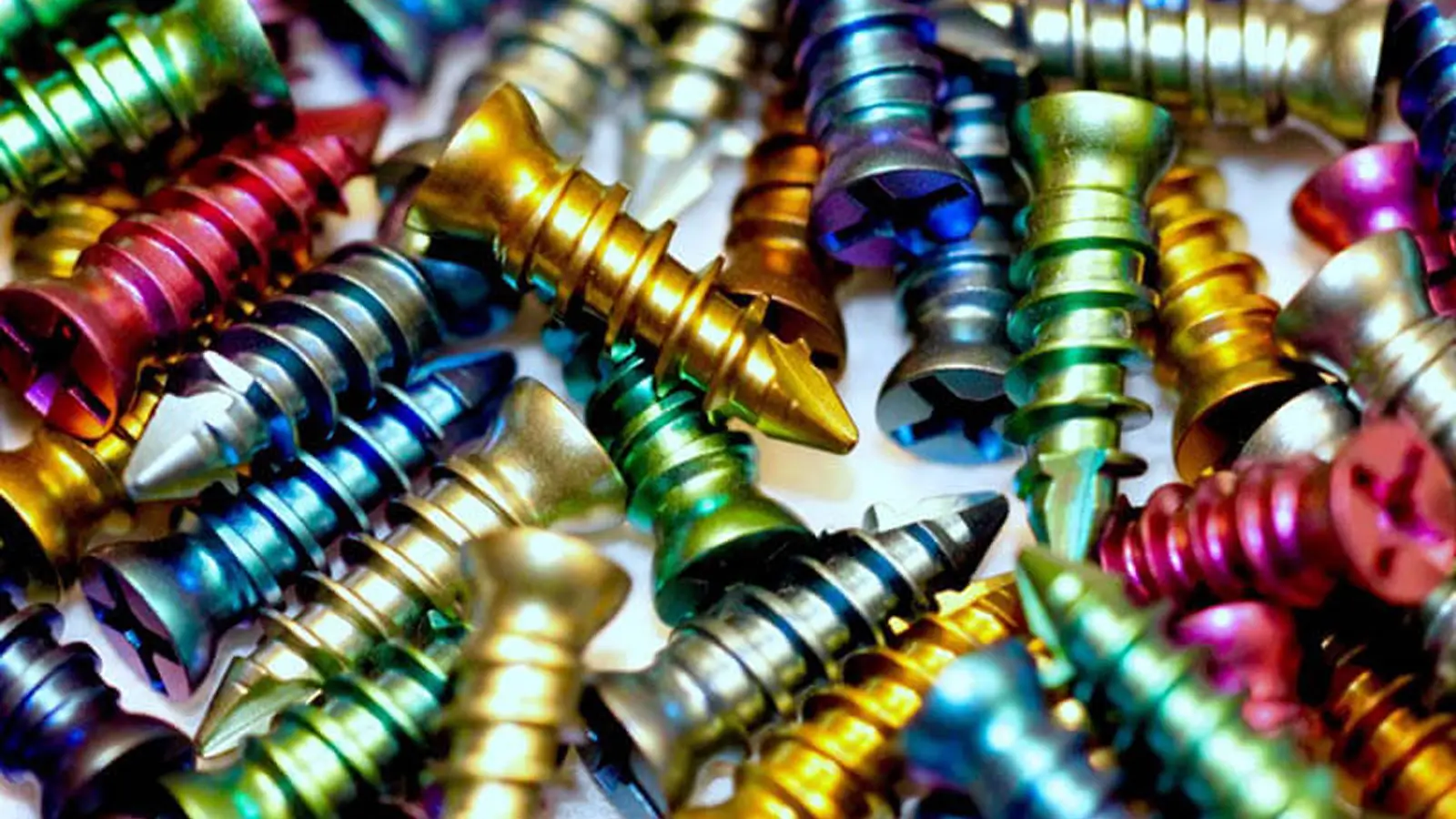
The thickness of the transparent oxide layer is controlled to create light interference effects (similar to the colors you see on soap bubbles or oil films).
Type III is used for color-coding medical instruments (e.g., different sizes of bone screws), decorative finishes, and improving biocompatibility.
Biocompatibility: Anodizing removes surface impurities and forms a stable protective layer, which can improve tissue integration for medical implants.
Minimal Effect on Tolerances: The anodized layer is extremely thin (typically in the micron range), so it barely changes the dimensions of CNC precision parts. This is crucial for tight-tolerance assemblies.
Enhanced Corrosion Resistance: While titanium is already corrosion-resistant, anodizing strengthens the passive oxide layer, making it more stable in harsh environments like acidic or salt-spray conditions.
Want to Learn More? Visit: Titanium and Titanium Alloy Anodizing Guide
Bead blasting—specifically using glass or ceramic media—is a go-to process for titanium parts. It’s widely used to improve surface consistency, ensure cleanliness, and prepare the metal for secondary bonding or coating.
In bead blasting Titanium, high-pressure compressed air propels tiny spherical media (like glass or ceramic beads) at the titanium surface.
The physical impact removes contaminants, oxide layers, and machining residue, resulting in a uniform, non-directional matte finish.
Glass Beads: This is the most popular choice. It creates a smooth, uniform “satin” or matte look without altering the part’s critical dimensions or tolerances.
Ceramic Beads: These are tougher and more durable than glass. They provide a more consistent finish over long production runs and produce less dust during the process.
CNC machining inevitably leaves behind tool paths and tracks. Bead blasting perfectly masks these marks, giving the part a high-end “industrial texture” that is highly valued in medical devices and consumer electronics.
By creating a microscopic texture, blasting increases the surface area (surface energy). This is crucial if your part requires secondary processes like PVD coating or adhesive bonding, as it significantly boosts adhesion strength.
In some ways, bead blasting acts like a light “shot peening” effect. The high-speed impact induces a thin layer of compressive stress on the surface, which helps the part resist cracks and improves its overall fatigue life.
Titanium is a “sensitive” metal. It is vital to use dedicated blasting equipment or ensure the media is free of iron particles. If iron gets embedded into the titanium surface, it can cause localized corrosion (rust spots) later on.
It’s important to remember that bead blasting generally increases surface roughness (Ra) rather than reducing it. If your part has ultra-precise sealing requirements, make sure to protect those critical surfaces before the blasting begins.
Related blog:
Sand Blasting vs. Bead Blasting: Key Differences Explained
Titanium micro-arc oxidation (MAO), also known as plasma electrolytic oxidation (PEO), is an advanced electrochemical surface treatment performed under high voltage.
This process generates instantaneous micro-discharges on the titanium surface, triggering a plasma chemical reaction in the metal’s surface layer. The result is a thick, dense ceramic TiO₂ oxide layer that is metallurgically bonded to the substrate.
Compared to traditional anodizing, MAO is considered a functional enhancement surface engineering technology.
Micro-arc oxidation builds upon the principles of conventional anodizing by increasing the voltage into the hundreds of volts—well into the discharge region.
During MAO, the titanium workpiece acts as the anode in a specially formulated electrolyte. A high voltage—typically 200–600V—is applied.
When the electric field strength exceeds a critical threshold, instantaneous micro-discharges and localized plasma reactions occur on the titanium surface.
This causes the surface metal to rapidly oxidize and recrystallize under high-temperature, high-energy conditions.
The result is an in-situ generation of a ceramic oxide layer that is metallurgically bonded to the substrate.
This layer is porous yet dense, primarily composed of TiO₂, and provides outstanding hardness, stability, wear resistance, and corrosion resistance.
Layer hardness can reach 400–1000 HV, far exceeding standard anodizing. This effectively solves titanium’s tendency to gall.
The layer grows from within the base metal rather than being applied like a coating, so it won’t peel off under vibration or high pressure.
The ceramic layer is naturally insulating and has low thermal conductivity, making it suitable for electronic components in high-temperature environments.
In medical applications, the electrolyte can be adjusted to incorporate elements like calcium and phosphorus into the MAO layer, promoting bone growth and osseointegration. This is widely used in artificial joints and dental implants.
Unlike the very thin anodized layer, MAO coatings are typically 5–100 μm thick. When CNC machining precision threads or ultra-tight tolerance parts, you must allocate tolerance compensation for the coating thickness.
The MAO process generally increases surface roughness. If a smooth surface is required, light polishing is often performed after treatment.
Polishing is a precision finishing process for CNC titanium parts, designed to achieve low surface roughness and high surface uniformity.
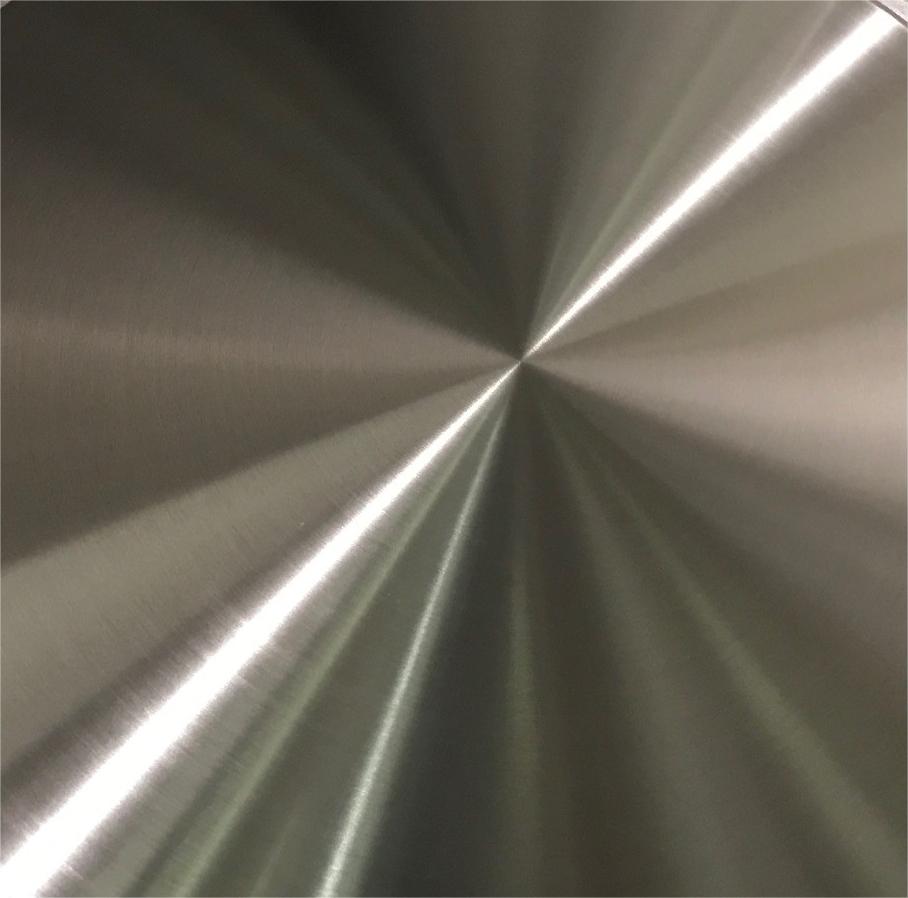
Through mechanical polishing, electropolishing, or a combination of both, it effectively removes microscopic tool marks and surface defects left after machining or blasting, allowing titanium surfaces to reach lower roughness levels (typically below Ra 0.8 μm, and as low as Ra 0.4 μm or less for some applications).
Beyond aesthetic appeal, polished titanium parts offer reduced friction, minimized stress concentrations, and improved reliability in medical, bio-contact, and precision assembly applications.
In CNC titanium machining, polishing isn’t just about achieving a “mirror finish”—it serves critical functional purposes:
By removing micro-scale machining marks, polishing eliminates potential crack initiation points, greatly enhancing a part’s fatigue life.
Smoother surfaces are less likely to trap contaminants and allow a denser, more uniform passive oxide layer to form.
For parts in sliding contact, polishing significantly reduces friction heat, helping prevent galling.
Surface Roughness for Titanium Polish
| Process Stage | Surface Roughness (Ra) | Purpose | Typical Applications |
|---|---|---|---|
| After CNC Finish Machining | 0.8–1.6 μm | Remove tool marks; prepare for polishing | All parts requiring polishing |
| Rough Polishing | 0.4–0.8 μm | Remove macro-level unevenness | Structural parts, tooling components |
| Fine Polishing | 0.1–0.4 μm | Meet functional surface requirements | Medical implants, sealing surfaces |
| Mirror Polishing | < 0.1 μm | Optical-grade finish, ultra-clean surfaces | Optical components, semiconductor equipment |
Mechanical Polishing:
Uses abrasive compounds and polishing wheels of varying grits. Titanium tends to “smear” if overheated, which can cause work hardening or even surface cracks if not carefully controlled.
For more information, visit: Mechanical Polishing | CNC Machined Parts Surface Treatment
Electropolishing:
The part acts as an anode in a specialized electrolyte, where current selectively dissolves microscopic high points. This is a stress-free process that achieves very high surface smoothness and can polish complex internal geometries.
Chemical Polishing:
Relies on an acidic solution (often containing nitric and hydrofluoric acids) to chemically remove the surface layer. While efficient, it requires strict control of dimensional tolerances.
Heat Management:
Temperature must be carefully controlled during polishing. Due to titanium’s uneven heat dissipation, localized overheating can cause part distortion or alter the microstructure.
Hydrogen Embrittlement Risk:
During electropolishing or chemical polishing, precautions must be taken to prevent hydrogen atoms from diffusing into the titanium lattice, which can make the material brittle.
Tolerance Control:
Polishing removes material, so precision CNC parts must be machined with an allowance (typically 0.01–0.03 mm) to account for the polishing stock removal.
Physical Vapor Deposition (PVD) is a high-performance thin-film surface treatment commonly used on CNC-machined titanium parts to significantly enhance wear resistance, reduce friction, and improve surface stability.
In a vacuum environment, a metal or ceramic target material—such as TiN, TiCN, TiAlN, or CrN—is evaporated or sputtered, forming a dense, ultra-thin functional coating that bonds securely to the titanium substrate.
PVD coatings are typically 1–5 μm thick, which minimally affects part dimensions, making them well-suited for precision titanium components with tight tolerances and high surface-performance requirements.
While titanium itself has a hardness of approximately 30–40 HRC, PVD coatings can easily achieve 2000–3000 HV (equivalent to over 70 HRC).
Thanks to the excellent compatibility between titanium and PVD coatings, this process is widely used in aerospace, medical devices, precision molds, and high-end industrial applications.
Effectively Eliminates Galling:
PVD coatings offer an extremely low coefficient of friction, changing the nature of surface contact and preventing titanium from undergoing “cold welding” during sliding friction.
Enhanced Wear Resistance and Lifespan:
In high-frequency applications such as surgical instruments or precision moving parts, PVD can extend service life by 5–10 times.
Gold (TiN): Classic wear-resistant finish.
Black (DLC/AlTiN): Ultimate hardness with low reflectivity.
Rose Gold/Rainbow Tones: Used in high-end consumer electronics and timepieces.
Surface Pre-treatment:
PVD acts like a mirror—it can amplify any underlying surface imperfections, such as machining marks. Therefore, surface preparation like bead blasting or polishing is usually required before PVD coating.
Vacuum Chamber Limitations:
PVD is a line-of-sight deposition process. For deep holes or complex internal cavities, coating uniformity can be challenging. Part orientation and fixture design must be considered during CNC part design to ensure proper coating coverage.
In CNC machining of titanium alloy components, surface treatment is not merely a decorative option—it is a critical engineering step that directly influences the part’s wear resistance, anti-galling capability, fatigue life, assembly stability, and long-term reliability.
Due to titanium’s high chemical activity, low thermal conductivity, and strong tendency for cold welding, its surface condition is especially sensitive to performance in service.
Through appropriate selection of processes such as anodizing, bead blasting, polishing, micro-arc oxidation (MAO), or physical vapor deposition (PVD), functional optimization can be achieved for different application scenarios without significantly affecting dimensional accuracy.
A truly effective surface treatment solution for titanium must be based on systematic engineering judgment—considering operating conditions, friction mechanisms, tolerance requirements, and lifespan targets—rather than preference for a single process.
Although titanium has good natural corrosion resistance, surface treatment is often necessary to enhance wear resistance, prevent galling, improve biocompatibility, enhance sealing performance, or achieve a specific appearance.
For parts requiring high performance, long service life, or special functionality, surface treatment is often essential.
It depends entirely on your application needs:
Need anti-galling and moderate wear resistance → Type II anodizing
Require very high hardness and wear resistance → consider micro-arc oxidation (MAO) or PVD coatings (e.g., TiN, TiAlN)
For color coding or decorative purposes → Type III color anodizing is ideal
Preparing for coating or bonding → bead blasting improves surface adhesion
Requiring ultra-smooth, easy-to-clean surfaces → polishing (especially electropolishing)
The oxide layer formed during anodizing is very thin (typically in the micrometer range), so it does not significantly affect the mechanical strength of the titanium substrate.
In fact, it can slightly improve fatigue performance by removing surface defects and introducing micro-compressive stresses. Its main role is to enhance surface properties, not to alter overall strength.
Key differences lie in process intensity, coating properties, and thickness:
Anodizing uses lower voltage (usually <100V), producing a thin amorphous oxide layer (1–5 μm), mainly used for decoration, identification, and light protection.
Micro-arc oxidation (MAO) employs high voltage (200–600V), forming a thick crystalline ceramic coating (5–100 μm) with exceptional hardness, wear resistance, and thermal stability—making it a functional strengthening treatment.
In short, anodizing is like “adding a colored protective coat” to the titanium surface, while MAO is like “growing a ceramic armor” on it.
Aerospace applications: Prioritize wear resistance, anti-galling, and high-temperature performance. Common choices include Type II anodizing, MAO, or PVD (e.g., TiAlN). Bead blasting is also frequently used to improve coating adhesion or create a uniform surface texture.
Medical device applications: Emphasize biocompatibility, cleanliness, and corrosion resistance. Electropolishing is used for ultra-smooth, sterile surfaces; Type III anodizing for color coding; MAO for implants requiring osseointegration; DLC coatings to reduce wear debris.

5-Axis CNC machining is a manufacturing process that uses computer numerical control systems to operate 5-axis CNC machines capable of moving a cutting tool or a workpiece along five distinct axes simultaneously.

China is the best country for CNC machining service considering cost, precision, logistic and other factors. Statistical data suggests that China emerges as the premier destination for CNC machining.

Selecting the right prototype manufacturing supplier in China is a critical decision that can significantly impact the success of your product development project.

Machining tolerances stand for the precision of manufacturing processes and products. The lower the values of machining tolerances are, the higher the accuracy level would be.