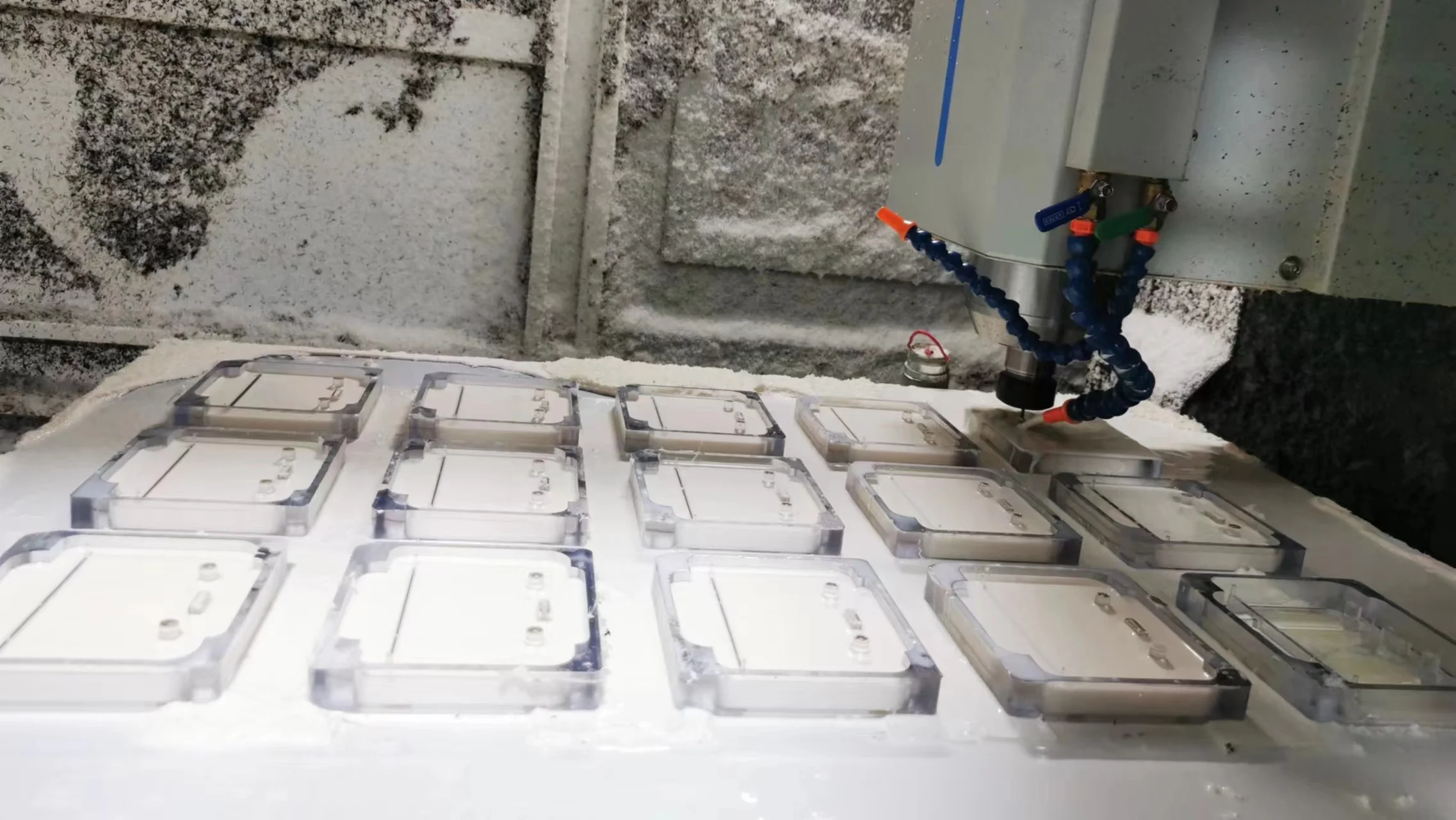
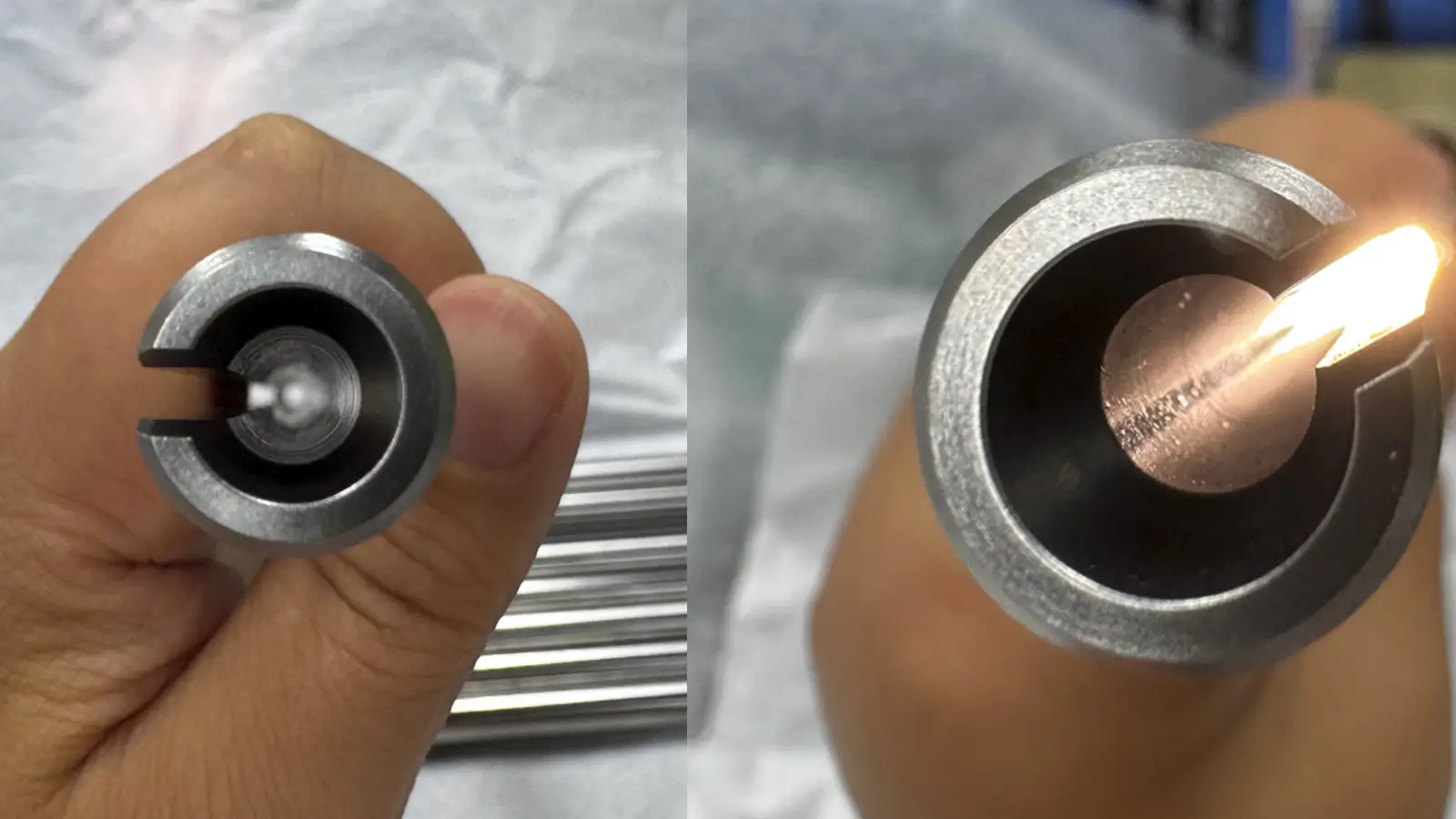
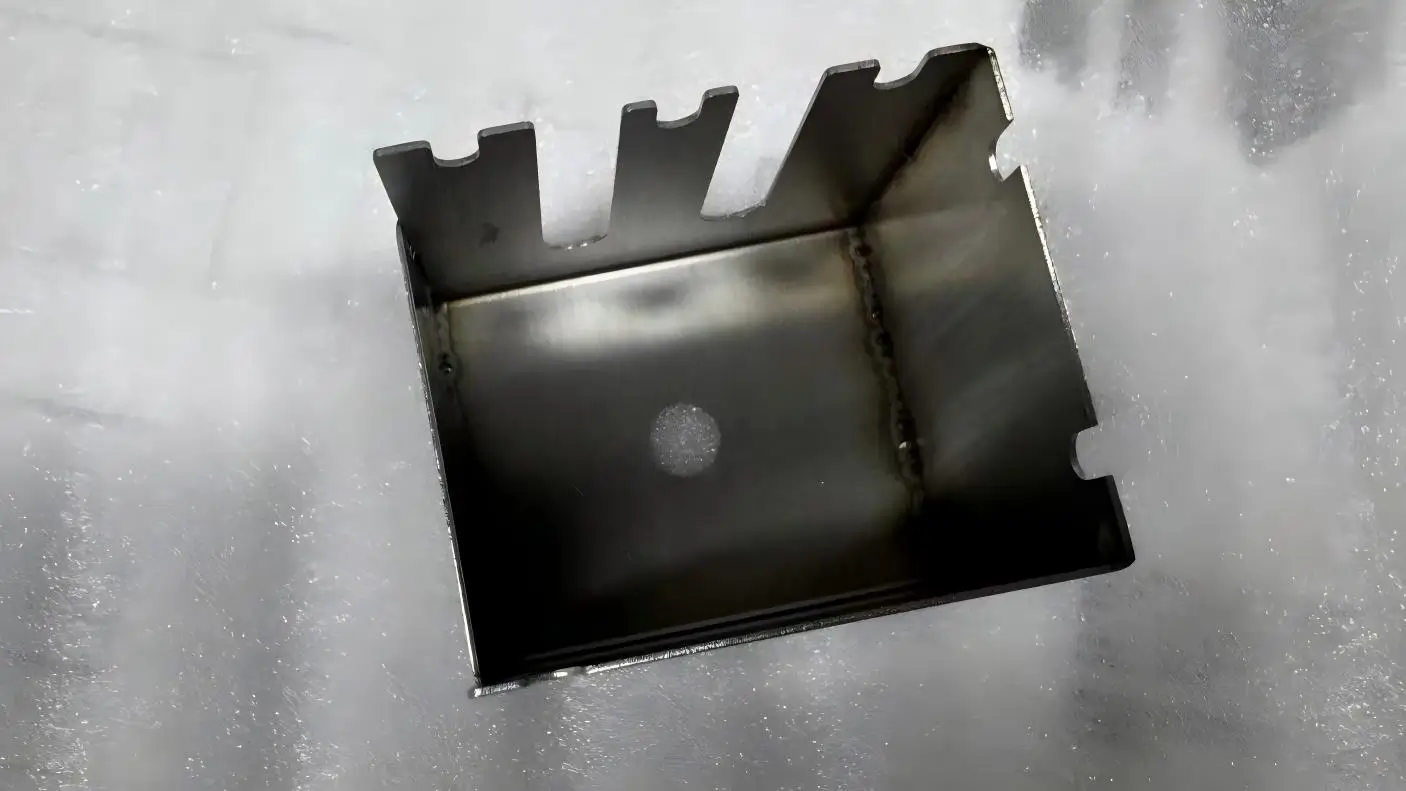
Fixturing and alignment directly determine accuracy in CNC prototype machining because they control how rigidly and precisely the workpiece is positioned relative to the machine tool.
Poor fixturing or misalignment causes vibration, part movement, tool deflection, and datum errors, which lead to dimensional inaccuracies, poor surface finish, and inconsistent tolerances.
CNC prototype accuracy relies on proper fixturing and precise alignment; optimized setups reduce vibration and misalignment, ensuring repeatable dimensional precision, surface finish quality, and reliable prototype performance.
Proper fixturing ensures the workpiece is securely held, minimizing vibration and deflection. Industry benchmarks from 2024 show optimized setups can improve accuracy by up to 15% in prototype machining.
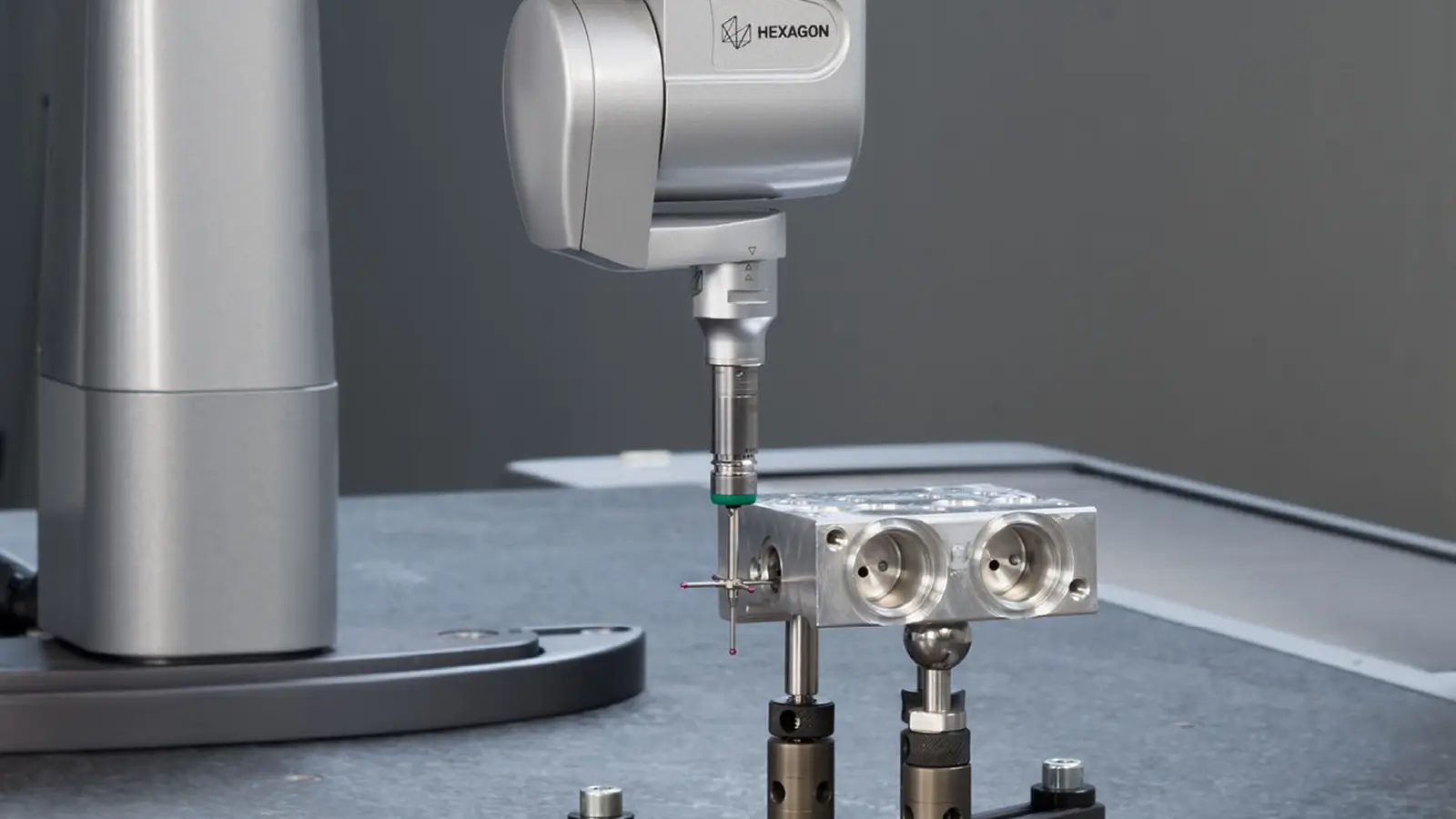
Misalignment greater than 0.05 mm can reduce precision by 10-20%. Accurate alignment ensures the cutting tool follows the intended toolpath, preventing dimensional errors and surface defects.
Machine calibration, workpiece stability, and tooling are critical. Regular calibration and documenting setups help teams reproduce accurate prototypes efficiently.
Optimizing fixturing involves selecting the right material, adjusting clamps or vacuum fixtures, and verifying setup with precision tools;
Proper fixturing minimizes movement, improves repeatability, and can reduce machining errors by over 15%.

Choose materials like aluminum or steel based on rigidity and vibration dampening.
Aluminum is lighter but more flexible; steel provides high rigidity for larger prototypes.
Position clamps carefully to minimize movement.
Using precision clamps or vacuum fixtures can reduce error by 0.02 mm.
Use dial indicators or laser alignment tools to ensure deviations are less than 0.01 mm before machining.
Accurate CNC alignment requires preparing the machine, using edge-finding tools and reference pins, and continuous verification with CMM or touch probes.
Correct alignment prevents dimensional errors and maintains prototype precision.
Clean surfaces and check tool wear, which can affect repeatability by up to 12%.
Edge-finding tools and reference pins help set proper orientation, ensuring axes are correctly positioned.
Coordinate measuring machines (CMM) or touch probes allow periodic checks to detect drift and maintain tolerances.
Common errors include over-tightening clamps, ignoring thermal expansion, and skipping calibration.
Avoiding these mistakes ensures stable workholding, maintains tolerances within micrometer-level accuracy, and reduces scrap rates.
Excessive torque can deform workpieces; data shows 5% of misalignments come from this mistake.
Aluminum fixtures expand during long runs, shifting tolerances by ~0.03 mm if not accounted for.
Periodic checks every 50 hours improve precision by 8% and reduce cumulative errors.
Integrating precision jigs, following standardized fixturing protocols, maintaining calibration, and documenting prototype runs ensures repeatable CNC machining, reduces errors, and improves overall accuracy by up to 15%.

Standardized fixturing and verified tools reduce setup time and improve repeatability.
Calibrate machines yearly or after 500 operating hours to maintain reliability and accuracy.
Recording fixture positions and measurements helps identify patterns, optimize setups, and reduce scrap by 10-15%.
Modular systems allow versatile setups and consistent repeatability, minimizing downtime.
Distribute clamping pressure for softer materials to prevent distortion and maintain surface finish.
Document fixture positions and alignment steps to streamline future runs and reduce trial-and-error adjustments.
In CNC prototype machining, fixturing and alignment are crucial for machining accuracy.
Fixturing, by preventing part movement from cutting forces and vibration, reduces deflection and chatter, ensuring consistent tolerances, especially for thin – wall or complex parts.
Alignment, ensuring the workpiece datum matches the machine’s coordinate system, avoids offset and dimensional errors. In prototyping, with frequent setup changes and low quantities, improper fixturing or misalignment can lead to first – article failure.
Thus, precision in both is essential for tight tolerances and repeatable results.

5-Axis CNC machining is a manufacturing process that uses computer numerical control systems to operate 5-axis CNC machines capable of moving a cutting tool or a workpiece along five distinct axes simultaneously.

China is the best country for CNC machining service considering cost, precision, logistic and other factors. Statistical data suggests that China emerges as the premier destination for CNC machining.

Selecting the right prototype manufacturing supplier in China is a critical decision that can significantly impact the success of your product development project.

Machining tolerances stand for the precision of manufacturing processes and products. The lower the values of machining tolerances are, the higher the accuracy level would be.