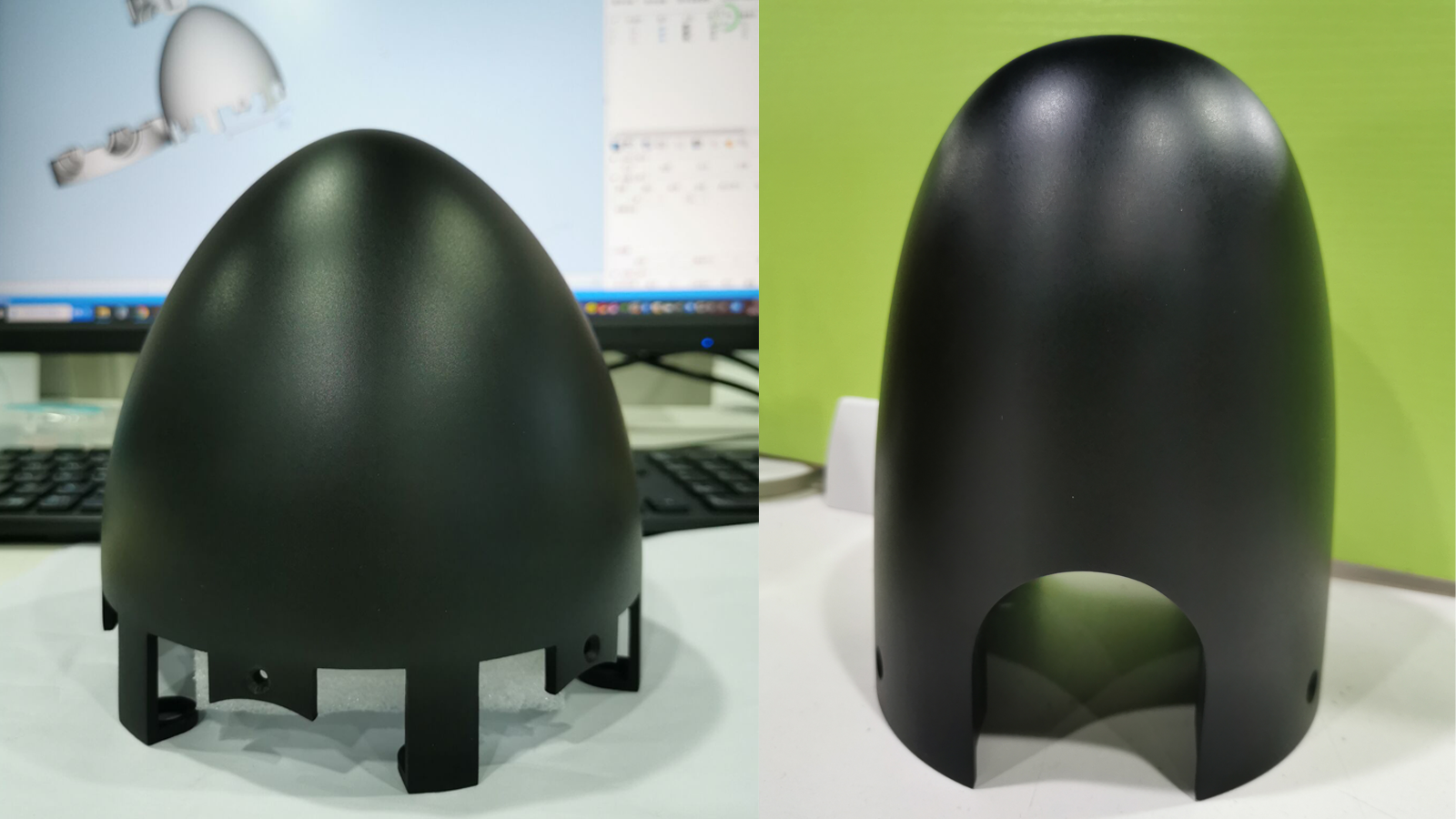
Surface finish is a critical factor in CNC prototyping that directly influences both manufacturing cost and part performance.
Choosing the right surface roughness determines not only how a prototype looks, but also how it functions under real-world conditions such as wear, friction, and assembly fit.
Understanding the cost versus performance trade-offs helps engineers and buyers avoid unnecessary finishing expenses while still meeting functional requirements.
Surface finish defines a CNC prototype’s surface texture, measured by Ra or RMS.
It affects functionality, assembly fit, visual quality, and mechanical performance.
Proper selection balances cost, machining time, and prototype purpose to ensure accuracy and aesthetics.
Surface finish refers to the texture quality of a machined surface, often quantified by parameters such as Ra (roughness average) and RMS (root mean square).
In CNC prototyping, the surface finish affects appearance, functionality, assembly fit, and performance under stress.
Choosing the right surface finish is essential for prototypes that must accurately represent the final product.
Typical Ra values for CNC parts range from 0.4 µm (ultra-smooth) to 6.3 µm (rough), following ISO 4287:1997.
Functional prototypes often require Ra ≤ 3.2 µm for mechanical testing, whereas visual prototypes may need Ra < 1.6 µm for aesthetics.
Ignoring surface finish can lead to misleading functional tests or poor visual impressions.

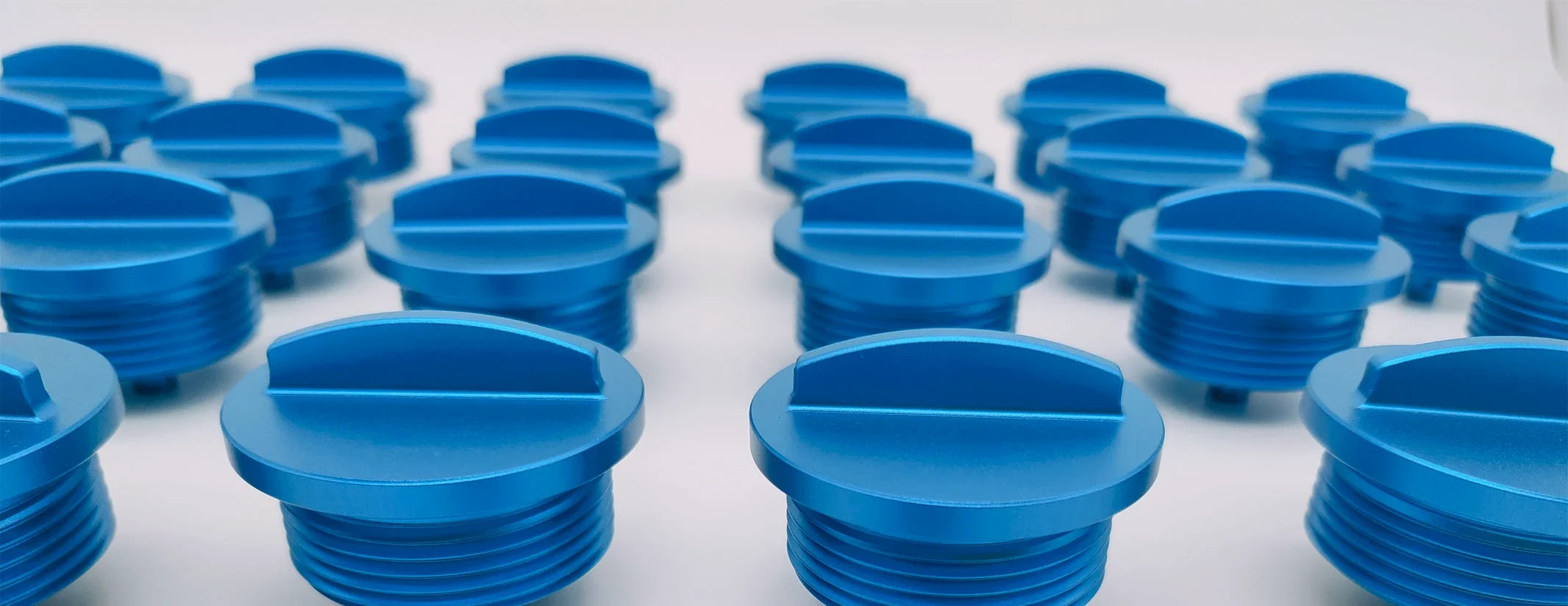
The most common surface finishes include rough machined, standard machined, polished, and bead blasted surfaces. Below is a comparison table:
| Finish Type | Typical Ra (µm) | Cost Impact | Application |
|---|---|---|---|
| Rough Machined | 3.2–6.3 | Low | Early functional prototypes |
| Standard Machined | 1.6–3.2 | Moderate | General functional parts |
| Polished | 0.8–1.6 | High | Visual prototypes, assembly surfaces |
| Bead Blasted | 1.6–3.2 | Moderate | Uniform matte finish, aesthetics |
For functional mechanical testing, Ra 3.2 µm is sufficient, while Ra < 1.6 µm is recommended for client-facing visual prototypes.
Surface finish affects several functional properties: friction and wear, paint adhesion, and mechanical tolerances. For example, smoother surfaces reduce friction and improve lifespan of sliding parts, while slightly rough surfaces improve paint adhesion. A CNC prototype gear with Ra 0.8 µm experiences 15% less torque loss compared to Ra 3.2 µm, demonstrating direct performance impact.
Surface finish directly influences CNC prototyping cost and performance.
Rough surfaces reduce machining time and cost but lower visual and functional quality.
Smooth finishes improve aesthetics and precision but increase cost and time, requiring careful trade-off decisions for each prototype type.

Surface finish selection directly impacts machining time and costs. Rough finishes (Ra 3.2–6.3 µm) require minimal finishing and have the lowest cost.
Fine finishes (Ra < 1.6 µm) increase machining hours by 20–40%, raising per-part cost by 15–25%.
Opting for Ra 1.6 µm over Ra 0.8 µm can save 35% in machining time, making it ideal for early-stage prototypes where aesthetics are secondary.
Performance improvements from finer finishes include enhanced visual quality, improved dimensional accuracy, and functional reliability.
Smooth surfaces reduce post-processing and maintain tighter tolerances.
Components like sliding bearings or mating surfaces perform better with Ra ≤ 1.6 µm. Standards such as ASTM F42-20 and ISO 4287 ensure repeatable surface quality.
| Aspect | Smooth Surface (Ra <1.6 µm) | Rough Surface (Ra 3.2–6.3 µm) |
|---|---|---|
| Cost per part | +20–25% | Baseline (low cost) |
| Machining time | +30–40% | Minimal |
| Visual aesthetics | High | Moderate |
| Functional test accuracy | High | Acceptable for early testing |
| Recommended use | Visual/Final prototypes | Early-stage functional prototypes |
For low-volume prototypes (<50 units), rough surfaces often provide sufficient functional validation, while polished finishes are reserved for client-facing parts.
Selecting the optimal surface finish depends on prototype purpose.
Functional prototypes can use rough finishes to save cost, while visual or client-facing prototypes require smoother finishes.
Decision should consider cost, time, required tolerances, and desired appearance.
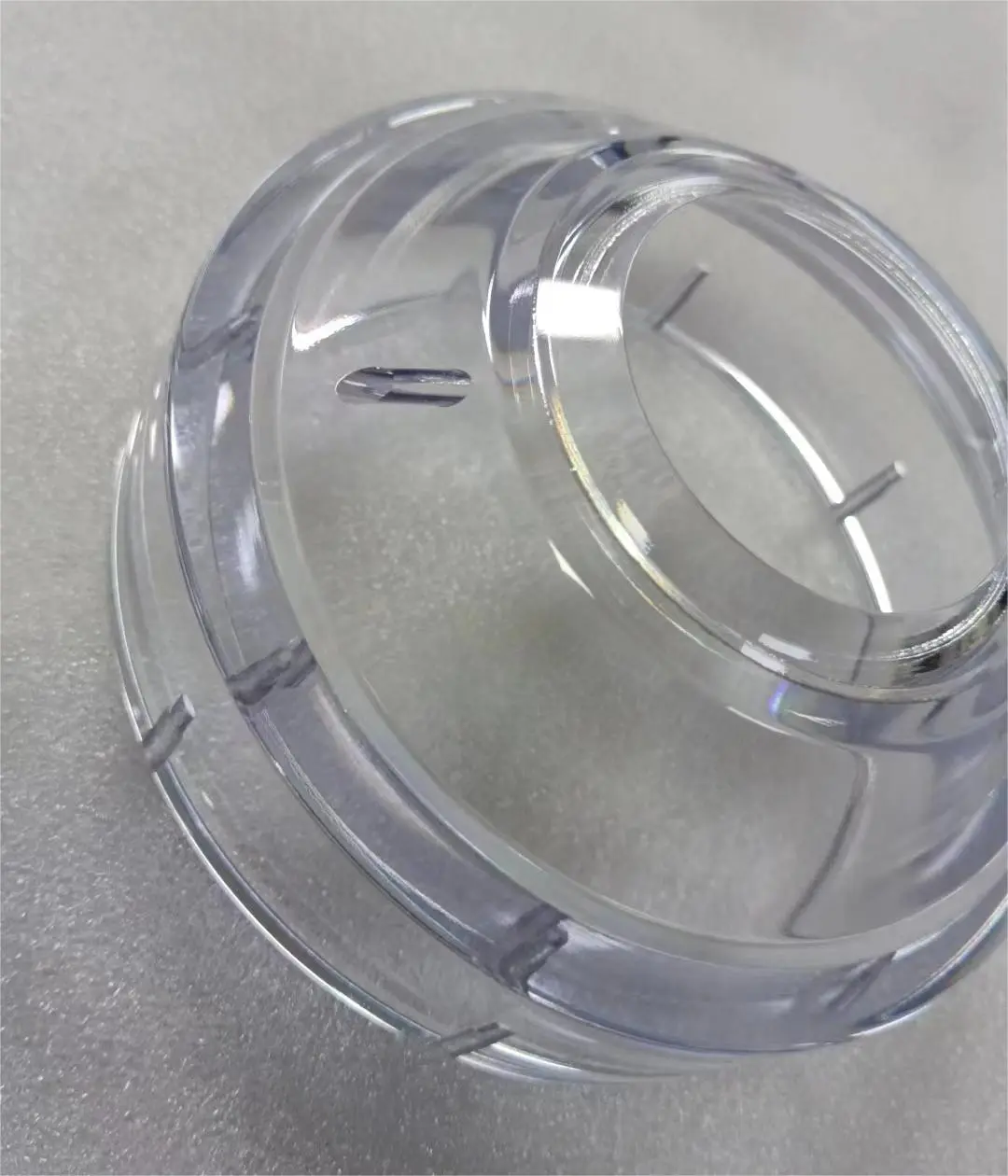
Functional prototypes should prioritize Ra 3.2 µm to save cost and time while meeting mechanical requirements. Visual prototypes should prioritize Ra ≤ 1.6 µm for client presentations.
A simple decision flow: identify prototype purpose → check tolerances → select cost-effective finish → validate with test part.
Standard machining (Ra 1.6–3.2 µm) is often sufficient for functional testing.
Minimal post-processing is recommended unless final aesthetics are critical.
Polished Ra 1.6 µm is usually adequate for functional parts requiring assembly, avoiding unnecessary expense of ultra-smooth finishes (Ra <0.8 µm).
CNC surface finish directly affects cost, time, aesthetics, and functional performance.
Rough finishes (Ra 3.2–6.3 µm) are cost-effective for early-stage prototypes, while smooth finishes (Ra <1.6 µm) optimize aesthetics and functional precision.
Quantitative metrics and trade-off tables assist in decision-making. Evaluate prototype requirements carefully to balance cost and performance and ensure project efficiency and client satisfaction.

5-Axis CNC machining is a manufacturing process that uses computer numerical control systems to operate 5-axis CNC machines capable of moving a cutting tool or a workpiece along five distinct axes simultaneously.

China is the best country for CNC machining service considering cost, precision, logistic and other factors. Statistical data suggests that China emerges as the premier destination for CNC machining.

Selecting the right prototype manufacturing supplier in China is a critical decision that can significantly impact the success of your product development project.

Machining tolerances stand for the precision of manufacturing processes and products. The lower the values of machining tolerances are, the higher the accuracy level would be.