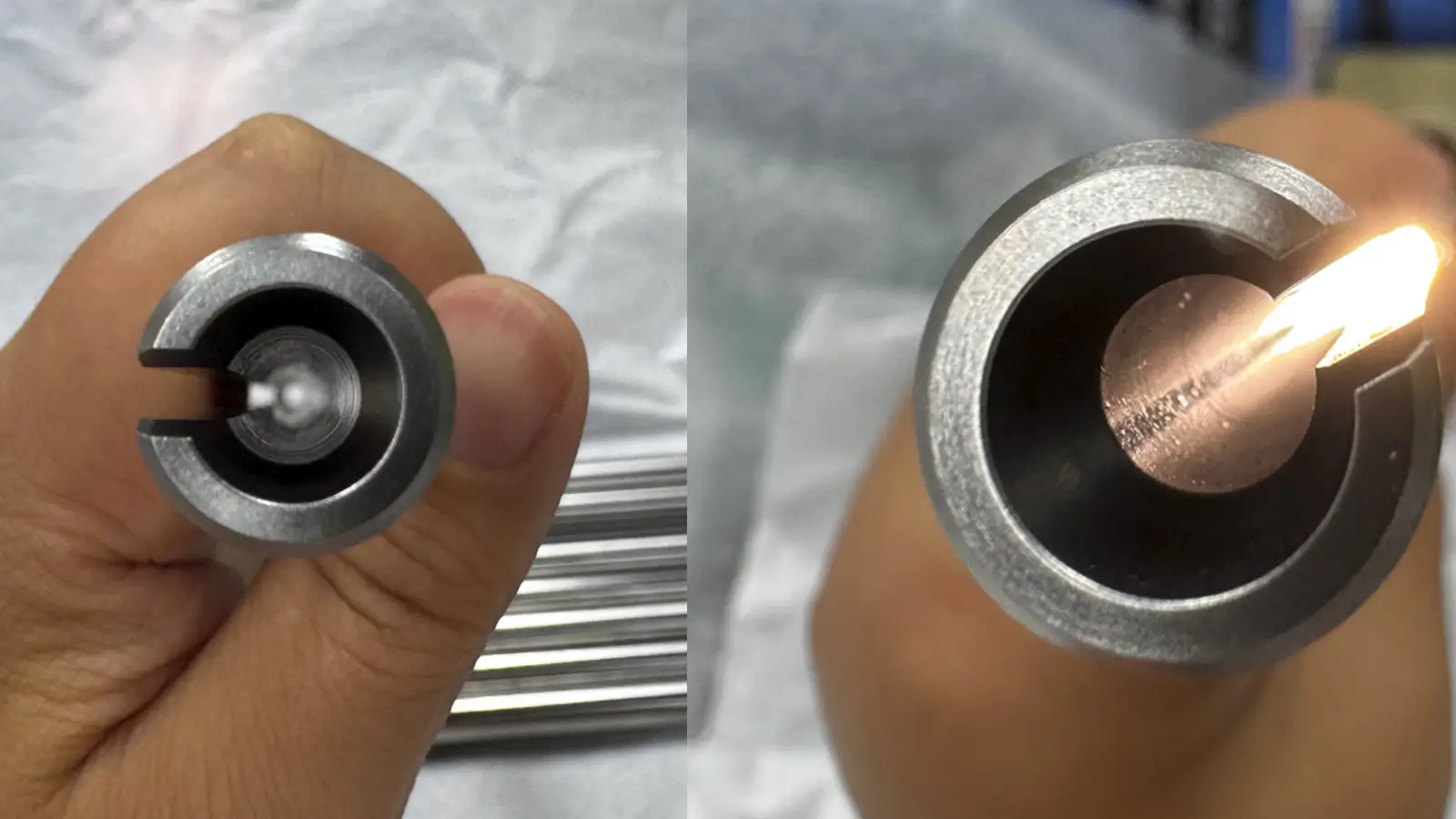
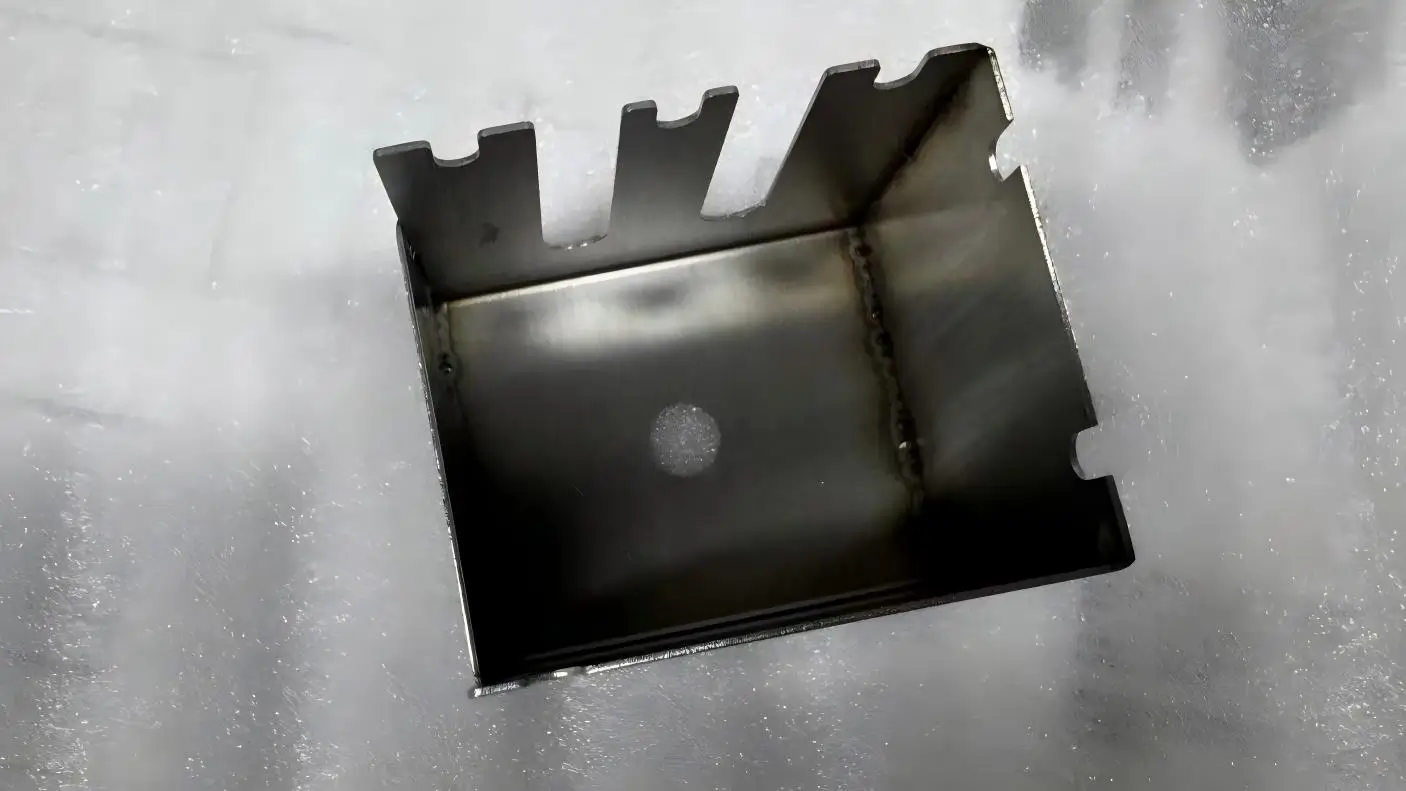
PTFE, widely known as Teflon, stands out as a high-performance engineering plastic prized for its exceptional heat resistance(-200℃ to 260℃), superior corrosion resistance, non-stick surface, excellent electrical insulation, and self-lubricating properties.
It is widely used in various industries including electronics, chemical processing, food and medical equipment, aerospace, and mechanical transmission.
However, its unique material traits such as, softness, low melting point, and tendency to creep under pressure make it certainly challenging for precision machining.
This is where professional CNC machining becomes essential. Compared with injection molding, compression molding, and manual machining, CNC machining allows for custom fixturing, high precision and complex geometries.
For better and deeper understanding, this guide will provide detailed information of Teflon in CNC Machining, from material grades(virgin vs. filled) to overcoming common defects.
Whether you need tight-tolerance seals or complex valve liners, understanding the CNC process ensures you get reliable, high-performance PTFE parts.
Key Takeaways:
PTFE(Polytetrafluoroethylene), commonly branded and known as Teflon, is a high-performance fluoropolymer known for its chemical resistance, low friction, and thermal stability, widely used in precision CNC machining.
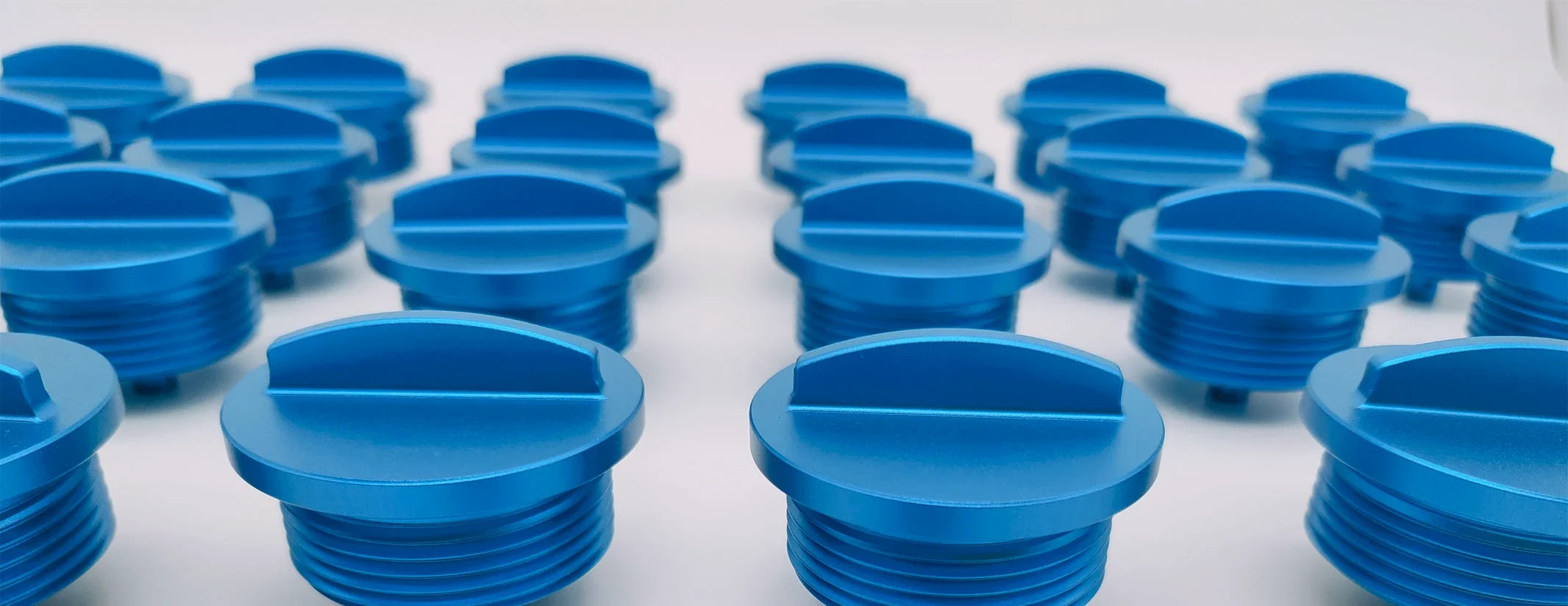
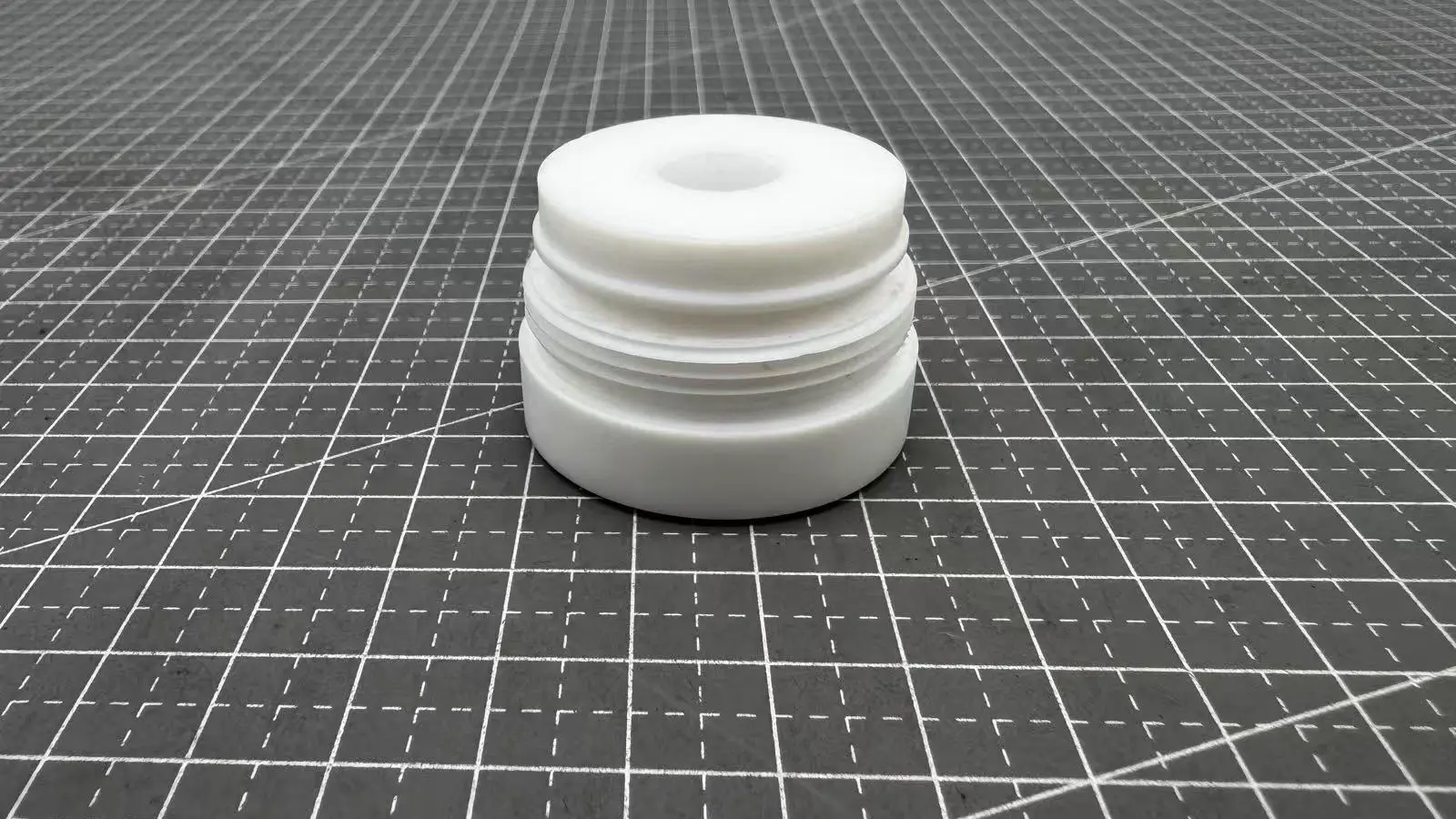
Below is the PTFE cnc part we produced.
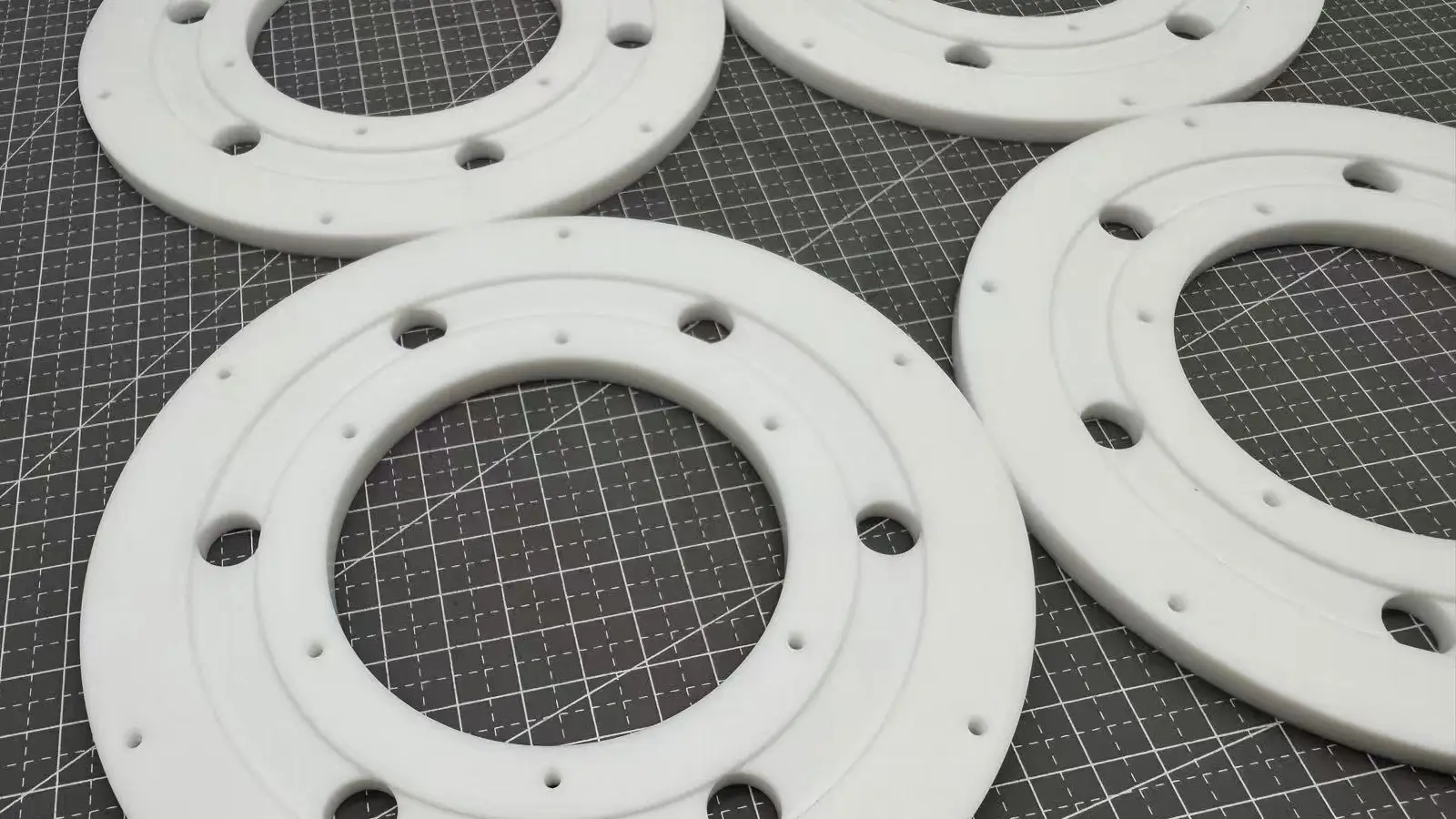
PTFE is the generic chemical name for this synthetic fluoropolymer, short for Polytetrafluoroethylene. While Teflon is simply the brand name for PTFE, originally trademarked by DuPont after the material’s accidental discovery by Dr. Roy Plunkett in 1938. The two terms are used interchangeably in CNC machining, industrial manufacturing, and engineering circles.
This remarkable engineering plastic has earned its reputation as the “King of Plastics” for good reason. It stands out by extreme chemical inertness, ultra-low coefficient of friction, wide thermal stability range, superior electrical insulation, and non-stick surface.
What’s more, although fluoropolymer is classified as a high-performance thermoplastic, it behaves very differently from common plastics like ABS, nylon, or POM.
Unlike standard thermoplastics that melt and flow easily for injection molding, PTFE is unsuitable for mass molding processes, which is why CNC machining is the primary processing method for precision PTFE components.
What sets it apart from other plastics is its molecular structure. PTFE is a linear polymer made entirely of carbon and fluorine atoms, with a tightly packed helical chain structure and extremely strong carbon-fluorine (C-F) bonds.
This dense fluorine shell around the carbon backbone is what gives PTFE its unrivaled set of performance properties; early no other material can match its combination of chemical inertness, low friction, and thermal stability.
To achieve the right performance for CNC machined parts, it is critical to understand the common types (grades) of PTFE, their unique properties, and which applications they are best suited for.
PTFE grades are primarily categorized into two broad types: virgin PTFE and filled PTFE. Virgin PTFE offers the purest form of the material’s signature properties, while filled PTFE is enhanced with additives to address limitations like low rigidity or creep.
The lists of the most widely used PTFE types in CNC machining, including their key characteristics and practical use cases, are as follows.
Virgin PTFE is the purest polytetrafluoroethylene, containing no additives, fillers, or modifiers but just 100% PTFE resin. It is the foundation of all other PTFE grades.
And it remains the most commonly used type in CNC machining for applications since it prioritizes the material’s inherent, uncompromised properties.
It offers the best chemical resistance and electrical insulation properties of any grade.
The photo shown below is a lathed Telflon part.
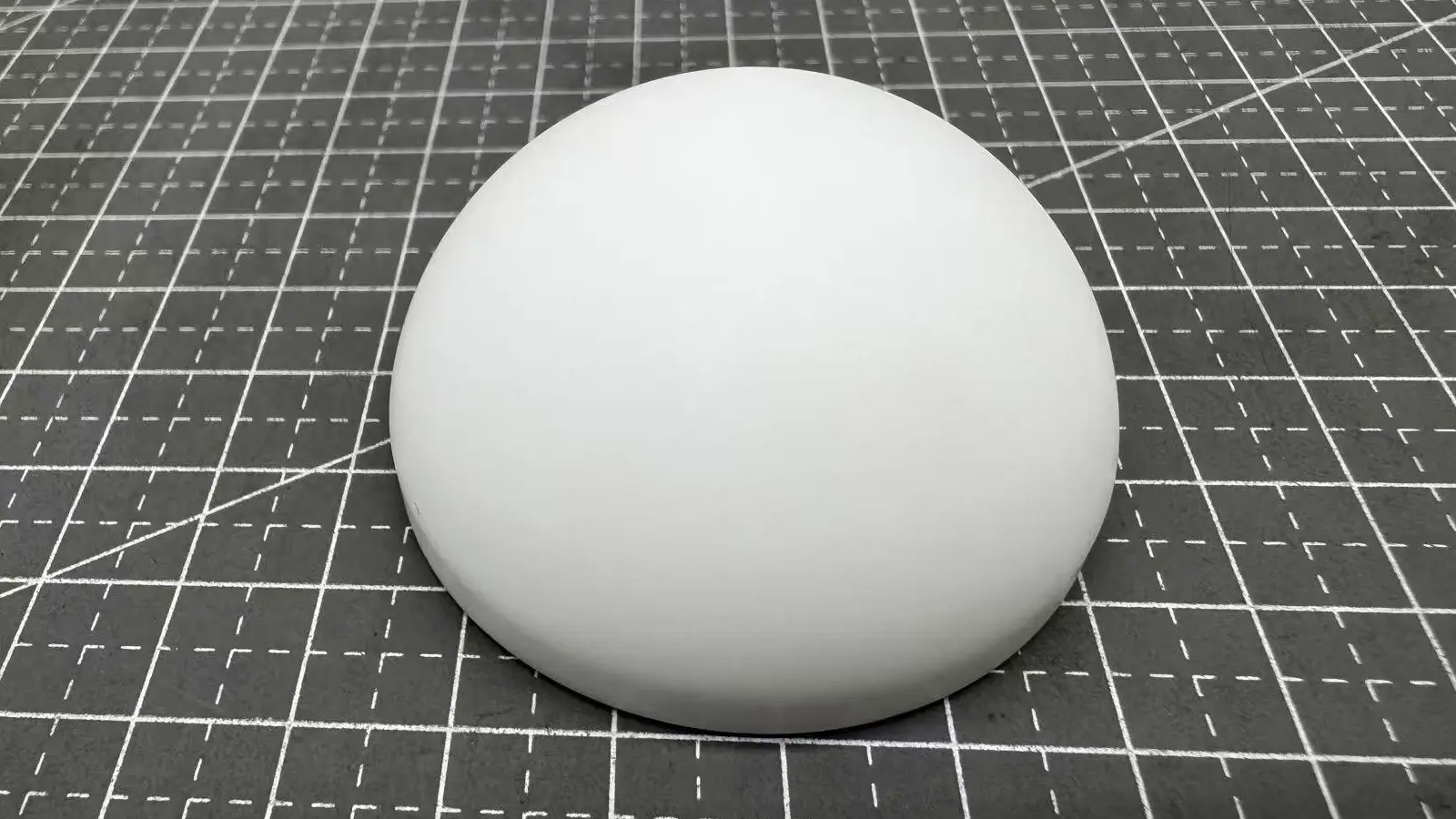
Key Properties of Virgin PTFE for CNC Machining:
Virgin PTFE is relatively easy to machine with CNC tools, but its soft and gummy texture makes it tends to deform under clamping pressure and cutting heat, which leads tight tolerances to be a challenge.
Therefore, to achieve desired CNC machined virgin PTFE parts, sharp and high-speed cutting tools are required to avoid tearing or deforming the material.
Without sharp tooling and proper chip evacuation, it tends to form stringy burrs rather than clean chips.
By proper CNC processes, virgin Teflon can be milled, turned, drilled, and tapped to tight tolerances, making it ideal for precision components where chemical resistance, low friction and electrical insulation are most important.
Due to the above features, CNC machining virgin PTFE is best for food processing equipment (seals, gaskets, bushings), chemical processing components (valve seats, pump diaphragms), medical devices (catheter parts, surgical instruments), and electrical insulators (high-frequency connectors, circuit board components).
While virgin PTFE offers incredible chemical resistance, low friction and excellent electrical insulation, it has relatively poor wear resistance, low compressive strength, and high thermal expansion.
To solve these issues, manufacturers introduce fillers to virgin Teflon. Filled PTFE is a composite material designed to enhance the structural weaknesses of pure PTFE.
Common filled PTFE includes glass-filled PTFE, carbon-filled PTFE, and bronze-filled PTFE.
Glass-filled PTFE is the most popular modified grade, created by adding glass fibers (typically 10-30% by weight) to virgin PTFE resin. The glass fibers reinforce the material, and meanwhile preserves 90% chemical resistance and low friction of virgin PTFE.
Key Properties of Glass-filled PTFE for CNC Machining:
Glass-filled PTFE is machinable with CNC equipment but requires carbide or diamond-coated cutters instead of HSS tools to handle the abrasive glass fibers.
Cutting speeds should be slightly lower than with virgin PTFE to prevent tool wear, and chip evacuation is critical to avoid scratching the part surface.
Compared with pure Teflon, glass-filled Teflon is more suitable for applications where durability and stability under load are priority.
It is widely used for aerospace components (seals, bearings), automotive parts (valve stem seals, bushings), industrial machinery (sliding guides, wear strips), and chemical processing equipment (gaskets for high-pressure systems).
Carbon-filled PTFE is modified with carbon particles (5-20% by weight). These fillers enhance wear resistance, thermal conductivity, and provide anti-static properties.
It creates a harder surface that slides well against mating parts. It also helps dissipate static electricity.
Key Properties of Carbon-filled PTFE for CNC Machining:
CNC machining carbon-filled PTFE is machinable with carbide tools. The harder texture reduces tearing compared to virgin PTFE.
And for carbon-filled PTFE, chips break more easily than Virgin PTFE, which can improve surface finish. However, carbon dust can be conductive, so it is crucial to keep machine electronics protected.
All in all, CNC machined carbon-filled PTFE is ideal for applications involving steam or high-pressure environments where static electricity dissipation is required.
It is widely used for high-load bearings, sliding components for industrial machinery, electrical connectors, and automotive parts (transmission bushings, brake system components).
Bronze-filled PTFE is the heaviest, hardest, and densest variant. It is infused with bronze particles about 20%-40% by wight to maximize compressive strength, thermal conductivity, and wear resistance.
Key Properties of Bronze-filled PTFE for CNC Machining:
Bronze-filled PTFE is much harder and denser than other PTFE grades, so it requires sharp carbide tools and slightly lower cutting speeds to avoid tool damage.
It machines similarly to soft metals, requiring rigid setups to prevent vibration. It machines well for thick-walled components and load-bearing parts, with tolerances similar to glass-filled PTFE.
Due to its excellent compressive strength and wear resistance, it is widely used for heavy-duty bearings, bushings for industrial machinery, and hydraulic or pneumatic system components.
Beyond the four main types above, there are specialized PTFE grades tailored to niche CNC machining applications:
PTFE (Polytetrafluoroethylene) is often called “the King of Plastic” for good reason. However, while it excels in chemical and thermal environments, it presents unique challenges for CNC machining.
Understanding both its strengths and weaknesses is the key to achieve precise and desired CNC machined parts. Below is a balanced look at the advantages and limitations of machining PTFE.
PTFE’s exceptional properties make it a prior choice for CNC machined components across aerospace, medical, chemical, and food processing industries.
Its compatibility with CNC machining processes, including turning, milling, drilling, and multi-axis machining, further enhances its utility, especially when paired with specialized techniques.
One of PTFE’s most prominent advantages is its extremely excellent chemical inertness. It resists virtually all acids, bases, solvents, and other corrosive substances. Only a few substances such as molten alkali metals and fluorine gas can attack PTFE.
This makes CNC machined PTFE components ideal for applications like chemical processing equipment, laboratory fixtures, and aerospace fuel system parts, where exposure to corrosive materials would dissolve other plastics or corrode metals.
Unlike many engineering plastics, PTFE does not react with most substances, ensuring long-term durability and performance in aggressive environments.
PTFE maintains its mechanical properties across an extreme temperature range, from -200°C to 260°C (-328°F to 500°F). Its melting point is about 327°C (621°F).
Its extreme thermal stability allows CNC machined Teflon parts to perform reliably in high-temperature and cryogenic environments such as aerospace insulation systems, industrial ovens, and engine components.
Unlike other plastics that is easy to soften or deform under heat, PTFE can retain its shape and structural integrity well. And it would not brittle like many metals or other plastic in cryogenic conditions.
PTFE has one of the lowest coefficients of friction compared with any other solid material (around 0.05-0.10), making it naturally non-stick and self-lubricating. For CNC machined components like slide bearings, wear pads, or piston rings, this eliminates the need for external lubricants.
This property is particularly valuable in applications where friction could cause damage or inefficiency, such as food processing equipment (where non-stick surfaces prevent contamination) and mechanical systems (where reduced friction extends lifespan).
PTFE boasts outstanding electrical insulation, with a high dielectric strength (285 V/mil or 60-100 kV/mm) and a stable dielectric constant (2.0-2.1) across a wide frequency range (DC to 10 GHz).
This makes it an ideal material for many electrical components, including insulators, wiring sleeves, and circuit board parts, especially in high-voltage or high-frequency applications.
Its insulation remains consistent even in extreme temperatures and humid environments, ensuring reliable performance in electronic and aerospace conditions.
PTFE is non-toxic and moisture-resistant, safe for human contact. This makes PTFE CNC machining components suitable for medical device, implantable components and food-grade machinery.
Additionally, PTFE is highly UV-resistant. It prevents degradation from sunlight exposure, which makes it ideal for outdoor applications where other plastics would become brittle or discolored over time.
CNC machining unlocks PTFE’s versatility, allowing for the creation of complex geometries, custom sizes, and intricate details that would be difficult or impossible with other manufacturing methods (such as compression molding or extrusion). PTFE’s machinability—when paired with the right tools and parameters—enables the production of precision components like custom seals, gaskets, lab equipment, and aerospace parts. Multi-axis CNC machining further enhances this versatility, allowing for complex curves and angles to be machined in a single setup, reducing handling and deformation risks for this soft material.
Despite its many advantages, PTFE’s unique material properties like softness and low rigidity would also present challenges for CNC machining.
These limitations are not insurmountable, but they do impact process efficiency, cost, and part precision.
PTFE is a relatively soft material (Shore D hardness of 50-65) with low rigidity, which makes it difficult to clamp securely without leaving marks or causing deformation during CNC machining.
And it tends to push away from cutting tools rather than being sheared cleanly. If tool paths and clamping methods are not carefully controlled, tool chatter, surface imperfections, and burrs are likely to occur.
Specialized fixtures such as soft jaws or vacuum holding tools are usually required to distribute pressure evenly and prevent deformation. And a smooth and clean finish requires sharp tools, precise feeds/speeds, and often secondary deburring operations.
While PTFE is thermally stable at extreme temperatures, it has a high coefficient of thermal expansion and low thermal conductivity. It means heat generated during machining from tool friction can accumulate locally and then cause warping, expansion, and other surface deformation.
Even small temperature changes from ambient heat or machining friction can cause PTFE parts to expand or contract significantly, making it challenging to maintain extremely tight tolerances.
We once produced a PTFE fitting for a medical client. It passed our internal QC inspection, but when it arrived overseas, the customer rejected it for dimensional non-conformance. We later realized that the temperature and humidity levels in our QC room differed from theirs. To prevent this from happening again, we now clearly state the temperature and humidity conditions on every QC inspection report for Teflon components.
Parts may meet specifications while warm but shrink or warp once cooled to room temperature, requiring careful heat management and post-machining cooling.
PTFE produces long and stringy chips during CNC machining that can clog cutting tools, recut into the part, and compromise surface finish and precision.
Unlike metals or harder plastics that produce breakable chips, PTFE’s gummy texture results in chips that are extremely easy to stick to tools and CNC machined parts.
It is required to use compressed air or alcohol-based coolants, or to clear chips effectively, or directly change tools regularly.
PTFE has lower tensile and compressive strength compared to other engineering plastics such as nylon or PEEK.
And creep issue, meaning slow but permanent deformation under continuous mechanical stress or elevated temperatures, is prone to happen for PTFE, especially the pure one.
This makes it unsuitable for structural applications where high load-bearing capacity is required. For example, PTFE gaskets under constant compression may gradually lose thickness and fail to seal properly over time.
Raw PTFE is a relatively expensive polymer compared to common plastics like HDPE or Delrin (acetal). Additionally, CNC machining PTFE requires specialized tools and precise parameters to minimize deformation and surface defects, which increases machining time and labor costs.
For high-volume production runs, PTFE CNC machining may be less cost-effective than alternative methods like compression molding or extrusion.
Even with specialized techniques, it is challenge to achieve and maintain extremely tight tolerances for PTFE, especially for that is thin or small due to its softness, thermal expansion, and creep.
These limitations must be accounted for when specifying tolerances, as overly tight requirements can lead to part failure or increased machining costs.
Proper cryogenic machining or post-machining annealing can help improve tolerance control, but these add additional steps and expenses to the process.
While PTFE can be formed through various industrial methods such as compression molding, die cutting, and injection molding, CNC machining stands out as the most versatile and reliable method for producing high-precision Teflon components.
Unlike thermoplastics such as nylon, ABS, or polycarbonate, PTFE shows specific softness, low rigidity, and thermal sensitivity. These features make it advantaged over various applications, but also present challenges for traditional manufacturing methods.
CNC machining stands out as the optimal choice for PTFE/Teflon processing, as it overcomes these challenges while remaining the material’s strengths well.
Injection molding or compression molding requires expensive metal molds. For small to medium production runs (1 to 1,000+ parts), mold costs are prohibitive.
But with CNC machining:
For custom PTFE seals, gaskets, or insulators, CNC machining is the most cost-effective path.
Many PTFE products are designed with complex and custom geometries for specific applications, which gives huge challenges for molding or extrusion. Die cutting works for simple flat washers, but fails for complex 3D shapes. Compression molding is limited to relatively simple geometries without undercuts.
But with CNC machining:
PTFE is often used in applications that demand extreme precision such as aerospace seals, medical implants, or chemical processing gaskets, where even minor dimensional deviations can lead to component failure, safety risks, or reduced performance.
But PTFE’s specific features like softness and thermal expansion make it difficult to produce precise PTFE products. CNC machining can deal with such a problem well by precisely control spindle speed, feed rate, and tool depth, as well as proper cryogenic or sharp-tool techniques.
CNC machining handles every grade of PTFE with equal ease (given the right tooling):
The same CNC machine can switch between grades simply by changing cutting parameters and tooling. No new molds or tooling investments are needed.
CNC machining is ideal for small-to-medium batches, prototypes, and custom orders. Molding requires expensive tooling (molds) that can cost thousands of dollars, making it only cost-effective for high-volume production. Extrusion, too, requires specialized dies and is limited to simple shapes.
Creating custom molds for PTFE is an expensive and time-consuming process. CNC machining offers a shorter lead time and a much lower total cost of entry.
PTFE’s unique properties including softness, low thermal conductivity, and tendency to produce stringy chips make it difficult to process excellent surface finish within moderate cost by traditional methods.
Compression molding, for example, is limited to simple shapes and often results in inconsistent density or surface defects. And extrusion can only produce linear or tube-like parts.
CNC machining, by contrast, is adaptable to PTFE’s quirks, with specialized tools and parameters designed to minimize deformation and defects.
Operators can use sharp carbide or diamond-coated tools, paired with high spindle speeds and light cutting depths, to cleanly shear PTFE without pushing or distorting the material.
Additionally, CNC systems support compressed air blow-offs or periodic tool retraction to clear the long, gummy chips that plague PTFE machining.
Below is Telflon CNC Machining with Othe Process Comparision Table.
| Criteria | CNC Machining | Compression Molding | Die Cutting | Injection Molding |
|---|---|---|---|---|
| Tooling Cost | None | High | Low (dies) | Very High |
| Lead Time | Days | Weeks | Days | Months |
| Complex Shapes | Excellent | Limited | Very limited (2D only) | Excellent |
| Tolerances | Tight | Loose | Loose | Relatively Tight |
| Material Grades | All grades | Limited | Limited | Not feasible for pure PTFE |
| Minimum Order | 1 part | 100+ parts | 500+ parts | 1,000+ parts |
| Design Changes | Instant | Expensive | Moderate | Very expensive |
Benefiting from the unique combination of chemical resistance, low friction, and thermal stability, CNC machined PTFE components are widely used for various industries.
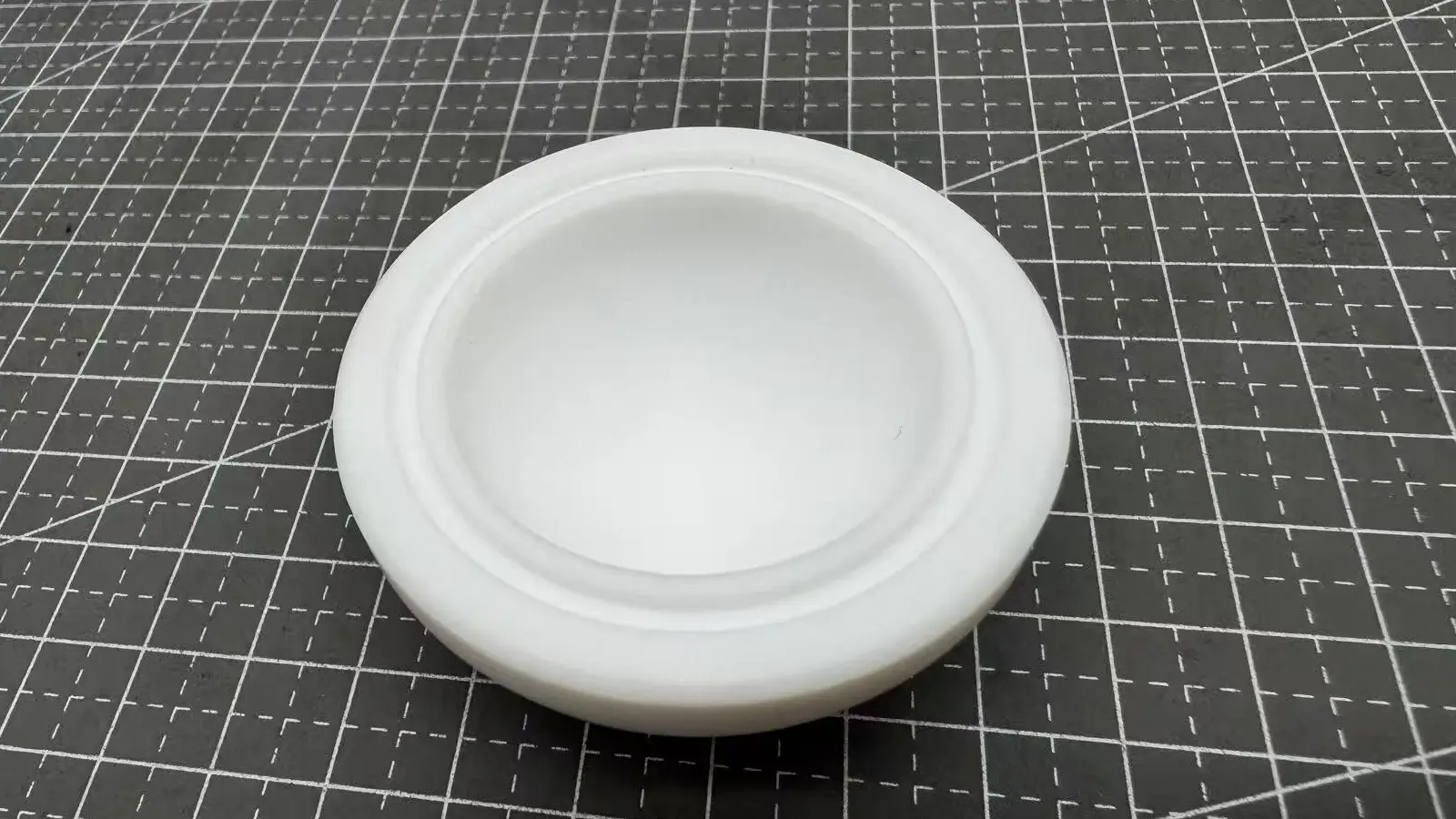
The common applications of PTFE CNC machined parts are as follows.
The chemical industry is one of the largest consumers of machined PTFE parts. PTFE’s excellent chemical resistance and thermal resistance make it remain well in conditions where aggressive acids, solvents, and high temperatures destroy most materials.
Common CNC Machined Components:
In aerospace applications, Teflon CNC machined products are reliable. PTFE components can perform well under extreme temperatures, vacuum conditions, and high vibration.
Common CNC Machined Components:
The medical industry demands materials that are biocompatible, sterilizable, and chemically inert. PTFE meets these requirements while offering excellent machinability for complex and miniature components.
Common CNC Machined Components:
PTFE is FDA-compliant and USDA-approved for direct and indirect food contact. Its non-stick surface prevents food buildup, making it easy to clean and sanitize.
Common CNC Machined Components:
The semiconductor industry requires ultra-pure materials that do not outgas or introduce contaminants into sensitive manufacturing environments.
Common CNC Machined Components:
Offshore platforms, refineries, and natural gas processing facilities expose components to harsh chemicals, high pressures, and extreme temperatures. PTFE offers great resistance to sour gas, hydrocarbons, and brine solutions, combined with a wide operating temperature range.
Common CNC Machined Components:
Machining PTFE is different from machining metals or even most other engineering plastics. Its softness, low thermal conductivity, and tendency to smear rather than shear cleanly create unique challenges for machining.
However, with the right techniques, you can achieve excellent PTFE products with clean edges, tight tolerances, and smooth surface finishes.
Below are the essential tips and best practices for successful CNC machining of PTFE.
PTFE is soft and rubbery. A dull tool will push the material aside rather than cut it, resulting in burrs, fuzzing, and dimensional inaccuracy. It is important to choose the right tooling for CNC machining of PTFE components.
There are usually five factors should be considered:
Most importantly, it is required to dedicate specific tools to PTFE only. Once a tool has been used for abrasive materials (like glass-filled PTFE or metals), it will be dull and will tear virgin PTFE rather than cutting it cleanly.
PTFE’s low thermal conductivity means heat generated during machining can accumulate and cause slow deformation. Optimizing CNC machining parameters is essential to control heat and ensure precision.
There are usually three factors should be considered:
PTFE chips are usually stringy, clingy, tend to wrap around tools or even can re-weld to the parts or tools if left in place. Therefore, proper chip evacuation is essential to avoid tool clogging and poor surface finish.
The best practices for good chip evacuation are as follows:
Because PTFE is a specifically soft and flexible material that can deform under clamping pressure, it is crucial to set proper holders to keep parts stable during machining.
The effective holders are as follows:
PTFE has a high coefficient of thermal expansion, meaning it expands and contracts with temperature changes. This can lead to dimensional errors if not accounted for during machining.
There are the best practices for good dimensional stability:
As a special engineering plastics showing specific features, PTFE/Teflon is one of the most widely used materials for CNC machining.
Since PTFE CNC machined products provide excellent chemical resistance, extreme low friction, and brilliant thermal resistance, they are popularly applied to various applications such as chemical industry, aerospace, defense field, medical industry, and food processing etc.
And although CNC machining is the most optimal processing method for PTFE/Teflon products, there are still various challenges to achieve desired PTFE parts.
It is required to choose right tools, set proper machining parameters, mange chip evacuation, prevent deformation, and notice dimensional stability.
When outsourcing PEFT/Telflon CNC parts, it is very important to check whether they have production experience. ECOREPRAP is ready to help!
This question was asked a lot on Machinists website.
No, PTFE is not considered easy to machine.
Due to its softness, low rigidity, and tendency to deform under heat and pressure, it requires sharp cutting tools, optimized parameters, and proper fixturing to achieve good results.
Typical CNC machining tolerances for PTFE are around:
👉 ±0.1 mm (±0.004″) for general parts
👉 ±0.05 mm (±0.00196″) with optimized process
However, extremely tight tolerances are difficult due to thermal expansion and material creep.
Usually, coolant is not required because PTFE is self-lubricating.
However:
Yes. PTFE can operate continuously from -200°C to +260°C.
It maintains its properties in both high-temperature and cryogenic environments.
No. PTFE has extremely low water absorption (<0.01%), making it highly stable in humid or submerged environments.
Blew is the PTFE CNC machining VS PEEK CNC machining comparison table.
| Property | PTFE | PEEK |
|---|---|---|
| Friction | Extremely low | Moderate |
| Chemical resistance | Excellent | Very good |
| Max continuous temp | 260°C | 250°C |
| Mechanical strength | Low | High |
| Creep resistance | Poor | Excellent |
| Machinability | Easy (but tricky) | Moderate |
| Cost | Lower | Higher |
Yes, but it is challenging. PTFE’s softness and low thermal conductivity cause warping and vibration.
Use cryogenic cooling or freeze the blank before machining
Employ vacuum chucks or adhesive fixturing (avoid mechanical clamping)
Take light finishing passes (0.1–0.2 mm)
Expect wider tolerance variation compared to thick-walled parts
Q8: Is CNC machining cost-effective for PTFE parts?
Yes, especially for low-to-medium volumes (1–1000+ parts). Unlike injection molding or compression molding, CNC machining requires no expensive molds, allows rapid design changes, and supports complex geometries. For very high volumes (10,000+ parts), molding may become more economical.

5-Axis CNC machining is a manufacturing process that uses computer numerical control systems to operate 5-axis CNC machines capable of moving a cutting tool or a workpiece along five distinct axes simultaneously.

China is the best country for CNC machining service considering cost, precision, logistic and other factors. Statistical data suggests that China emerges as the premier destination for CNC machining.

Selecting the right prototype manufacturing supplier in China is a critical decision that can significantly impact the success of your product development project.

Machining tolerances stand for the precision of manufacturing processes and products. The lower the values of machining tolerances are, the higher the accuracy level would be.