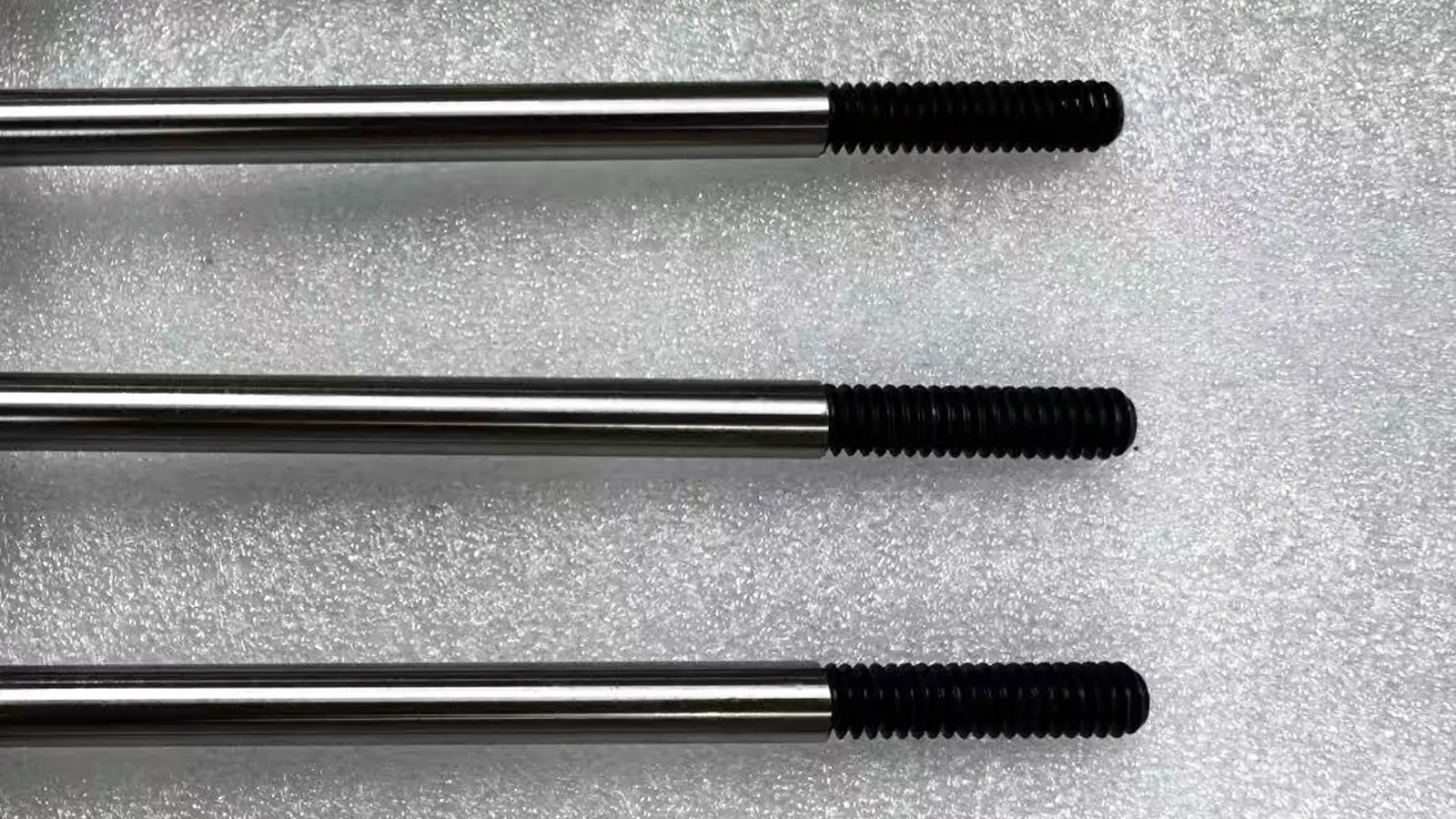
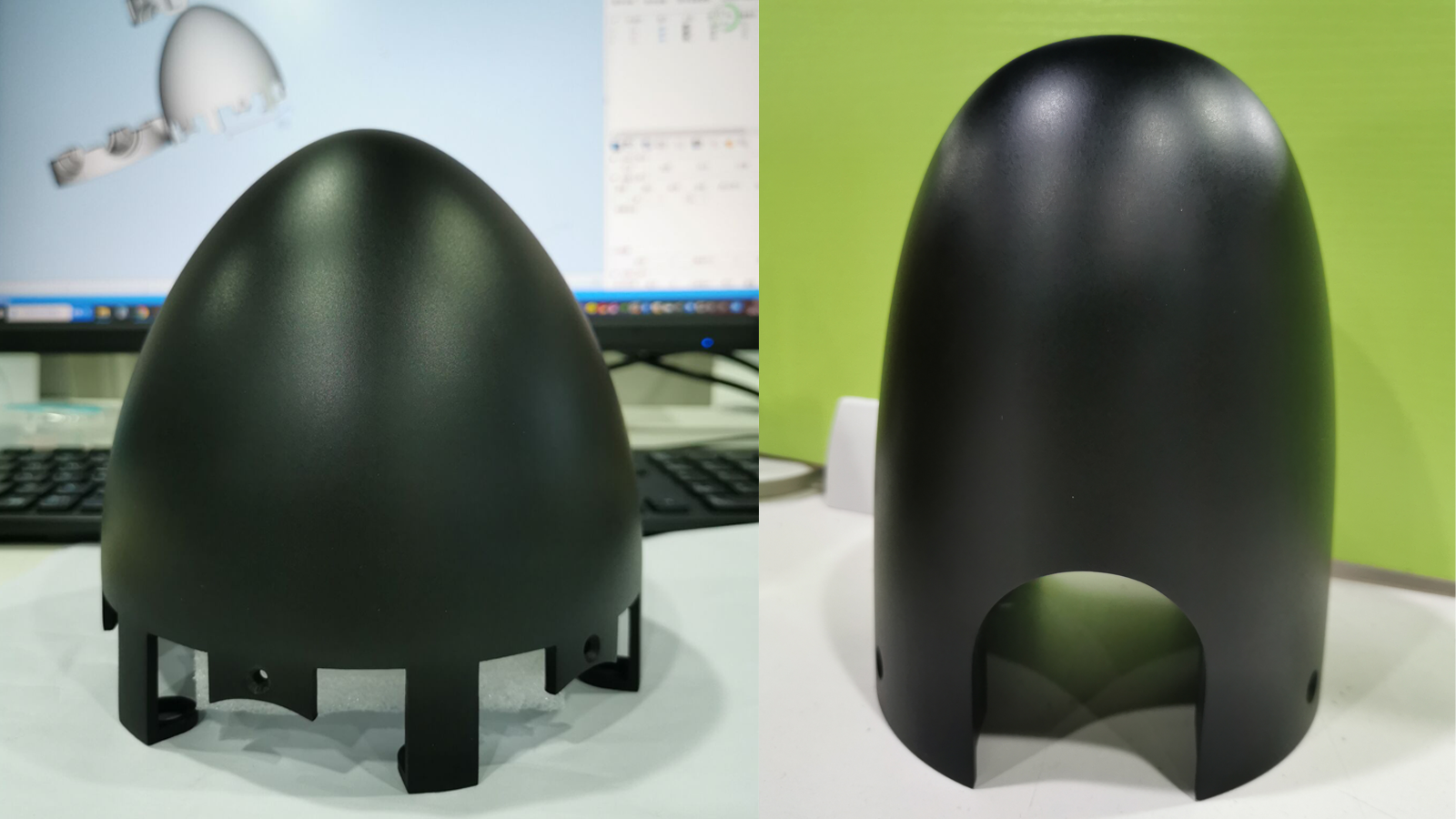
We have observed that AISI 4140 material is widely used in orders from European and American customers. Due to its high strength, good toughness, excellent heat treatment responsiveness, and reasonable cost, it is known as the “standard engineering steel” in North American manufacturing.
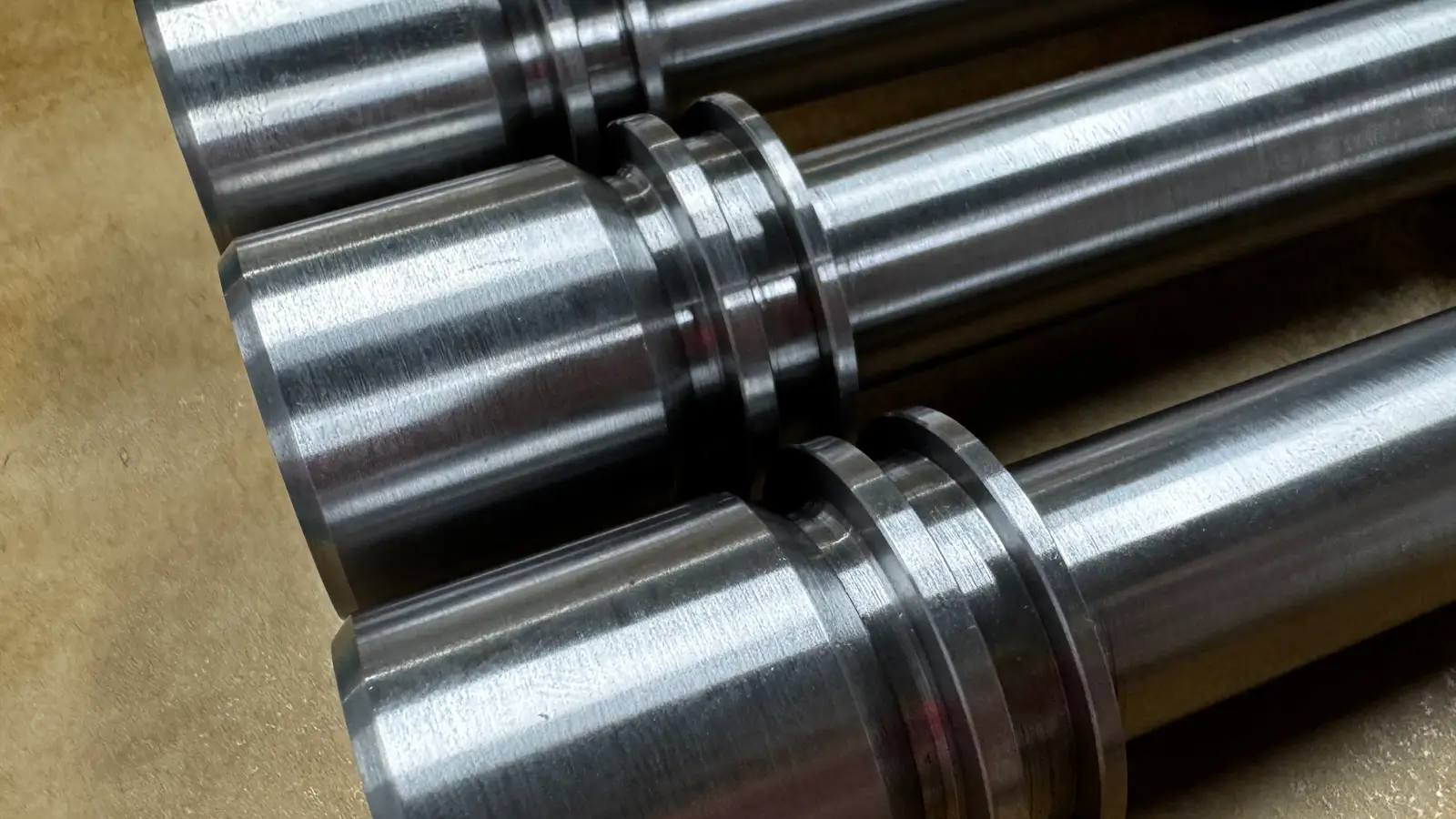
In practical engineering applications, technicians often face the following questions:
What is the difference between 4140 and 4140PH? How to select the right condition?
Annealing, quenching, tempering, quenching and tempering (Q&T)—what are the properties and applications of different heat treatment states?
What cutting parameters and tools should be used for CNC machining?
Black oxide, nitriding, hard chrome plating, nickel plating—how to choose the right surface treatment?
Can 42CrMo replace 4140?
By the end of this guide, you’ll have a clear understanding of 4140 steel and practical insights to optimize both cost and performance in your CNC projects.
4140 steel is a low-alloy high-strength steel (Low Alloy Steel) and belongs to the chromium-molybdenum alloy steel family (Cr-Mo steel).
Typical chemical composition of 4140 includes:
Key element roles:
Chromium improves hardenability and wear resistance
Molybdenum enhances high-temperature strength and reduces temper brittleness
Chromium and Molybdenum make 4140 an engineering steel capable of achieving high strength through heat treatment.
In North American manufacturing, 4140 is widely recognized as a “standard engineering steel” due to its well-balanced properties:
Excellent mechanical properties: Higher strength than regular carbon steel while maintaining good toughness, capable of withstanding impact, cyclic fatigue, and torsional loads.
Good heat treatment response: High hardenability allows strength and wear resistance to be significantly improved through proper heat treatment.
Machinability: Easy to machine in annealed condition.
Cost-effective: Lower cost compared to high-alloy or stainless steels, globally standardized supply.
4140 balances strength, toughness, and wear resistance. Proper heat treatment allows tensile strength up to 1080 MPa while maintaining good ductility and impact resistance.
Unlike high-carbon steels, it is not brittle, nor is it as soft as low-carbon steel, making it a versatile “all-rounder” for industrial applications.
4140 and 4140PH are the same material in different conditions, not different alloys. (PH = Pre-hardened)
| Comparison | 4140 (Annealed) | 4140PH (Pre-hardened) |
|---|---|---|
| Hardness Range | ≤ 217 HB (typical 18–22 HRC) | ~269–302 HB (28–32 HRC) |
| Delivery Condition | Annealed or hot-rolled | Quenched & tempered |
| Machining Characteristics | Soft, easy rough machining | Moderate hardness, suitable for direct finish machining |
| Post-processing | Requires heat treatment to reach final hardness | Ready to use, no additional heat treatment |
| Typical Applications | Blanks for heat-treated parts | Finished parts ready for assembly |
The closest Chinese equivalent is:42CrMo alloy steel
42CrMo, defined by GB standards, has similar composition and performance to 4140.
In practice, suppliers may substitute 42CrMo when a customer requests 4140, depending on agreement.
4140 is a material very responsive to heat treatment. Different combinations of properties can be achieved through various heat treatment processes. Here are several common methods:
Process: Heat to 790-870°C (1450-1600°F), then cool slowly in the furnace.
Purpose: Soften the material, relieve internal stresses, improve machinability.
Hardness Result: ≤ 217 HB.
Application Scenario: Before rough machining, or when the material condition needs to be reset.
Process: Heat to 870-925°C (1600-1700°F), then cool in still air.
Purpose: Refine grain size, improve microstructure uniformity.
Hardening / Quenching
Typical Process: Heat to 845-870°C (1550-1600°F, often 850°C), soak, then quench in oil or water (water quenching requires caution to avoid cracking).
Purpose: Obtain a martensitic structure, significantly increase hardness.
Hardness Result: Can reach 45 HRC or higher.
Process: Reheat the quenched material to a specified temperature (e.g., 560°C / 1040°F), soak, then cool.
Purpose: Relieve quenching stresses, adjust the balance between hardness and toughness.
Low-Temperature Tempering (150-250°C / 300-480°F): Achieves high hardness and wear resistance, but toughness is low.
High-Temperature Tempering (540-680°C / 1000-1250°F): Achieves a good balance of strength and toughness (i.e., quenching and tempering), typical hardness 28-32 HRC.
This is the most common combined heat treatment process for 4140: Quenching + High-Temperature Tempering.
The result is a tempered martensite (sorbite) structure with optimal comprehensive mechanical properties – sufficient strength combined with good toughness.
4140PH is essentially the Q&T condition completed by the steel mill.
Low-temperature stress relief annealing performed after rough machining can release stresses introduced by machining, reducing distortion during finishing.
By adjusting the tempering temperature, different hardness levels can be achieved:
Note: If 4140 requires heat treatment, the CNC machining steps are: Rough Machining -> Heat Treatment -> Finish Machining. Rough machining needs to leave a machining allowance.
Due to its high strength, good toughness, excellent heat treatment properties, and reasonable cost, AISI 4140 steel is widely used for CNC machining high-strength mechanical parts in industries such as automotive, oil & gas equipment, industrial machinery, and heavy equipment.
4140 Application In Different Industries
| Industry / Application Area | Typical 4140 CNC Parts | Key Performance Requirements | Main Reasons for Choosing 4140 |
|---|---|---|---|
| Automotive Components | Drive shafts, Axle shafts, Gears, Steering shafts, Differential components | Withstand high torque and cyclic loading | High tensile strength, Excellent fatigue resistance, High wear resistance after Q&T |
| Oil & Gas Equipment | Drill tool joints, Valve bodies, Sleeves, Pump shafts | High impact load and high torque environment | High strength, Stable performance after heat treatment, Can be surface hardened |
| Industrial Machinery Parts | Spindles, Shafts, Couplings, Die holders | Long-term mechanical operation under high loads | Excellent comprehensive mechanical properties, Good machinability, Relatively cost-effective |
| Tooling & Die Components | Mold bases, Support plates, Fixtures, Tool holders | High rigidity and impact resistance | Hardness can reach 28–40 HRC after heat treatment, Good toughness, Not prone to cracking |
| Aerospace Support Components | Aircraft landing gear attachments, Structural connectors, High-strength fasteners | Medium-to-high strength structural support | Good strength-to-weight ratio, Stable mechanical properties |
| Heavy Equipment | Hydraulic shafts, Pins, Bushings, Gear shafts | High wear and impact conditions | High wear resistance, Good impact resistance |
| Surface Hardened Components | Rollers, Guide rails, Gears | Surface wear resistance with core toughness | Suitable for Induction hardening, Suitable for Nitriding |
Below is the Top 10 Typical 4140 CNC Machined Parts Listing.
No.1 Shafts
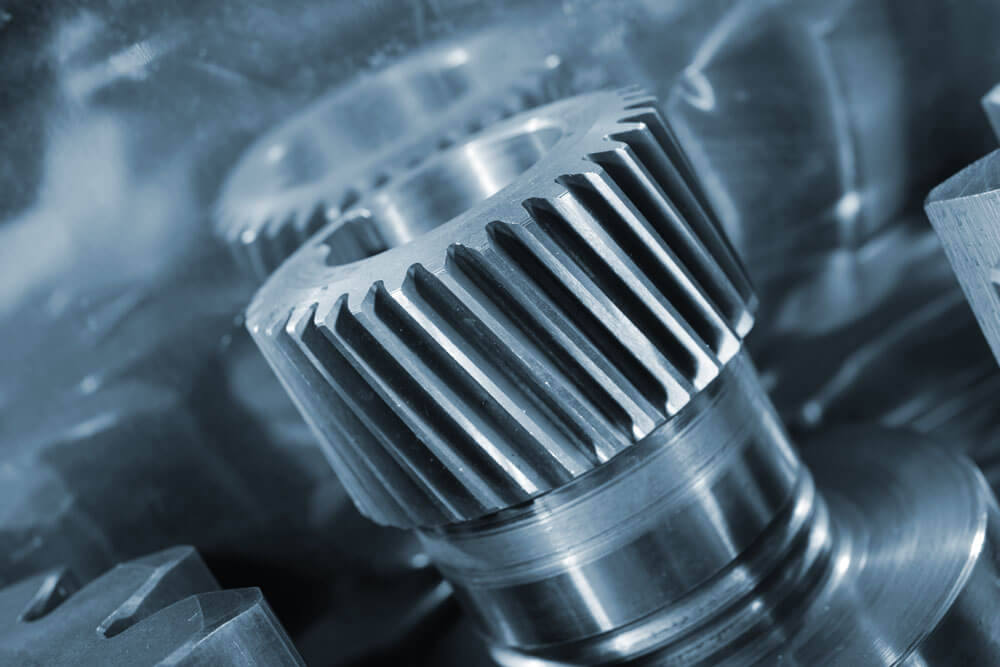
No.2 Gears
No.3 Tool holders
No.4 Hydraulic cylinders
No.5 Valve bodies
No.6 Drive components
No.7 Couplings
No.8 Pins
No.9 Mold bases
No.10 Pump shafts
4140 can be machined using various CNC processes, for example:
CNC turning
CNC milling
Drilling
Tapping
In the annealed condition, 4140 has medium machinability.
However, if the hardness exceeds 30 HRC, machinability decreases significantly, requiring: use of carbide tools, reduced cutting speeds, and enhanced cooling.
Before you start the spindle, you must know the condition of your 4140 material:
If it is Annealed: This is the easiest stage for machining. Higher cutting speeds and moderate feed rates can be used for efficient roughing.
If it is Pre-hardened (4140PH / 28-32 HRC) : The material has considerable hardness. Cutting speeds need to be reduced, more wear-resistant tools are required, and adequate machine rigidity must be ensured.
Based on our experience machining, taking 4140PH as an example, here are recommended cutting parameters.
| Operation Type | Surface Speed (SFM) | Feed per Tooth (IPT) | Depth of Cut (DOC) | Notes |
|---|---|---|---|---|
| Turning – Roughing | 400-600 SFM | 0.006-0.008 inch | 0.050-0.100 inch | Maintain consistent chip load |
| Turning – Finishing | 500-650 SFM | 0.002-0.004 inch | 0.010-0.020 inch | Use sharp inserts |
| Milling – Roughing | 250-350 SFM | 0.004-0.006 inch | 0.050-0.100 inch | Prefer climb milling |
| Milling – Finishing | 300-400 SFM | 0.002-0.004 inch | 0.010-0.020 inch | Ensure surface quality |
| Drilling | 175-250 SFM | 0.004-0.008 inch/rev | – | Use through-coolant drills |
| Grooving/Cut-off | 250-350 SFM | 0.003-0.006 inch | – | Steady feed, avoid vibration |
| Turning – Annealed | 400-600 SFM | Can be increased appropriately | Can be increased appropriately | Speed can be higher |
Unit Conversion Tip: If your machine uses metric units, the turning speeds above roughly correspond to: Roughing 120-180 m/min, Finishing 150-200 m/min. (Approximation: SFM ÷ 3.28 ≈ m/min)
Coated Carbide tools are recommended. Coatings like TiAlN or AlTiN effectively insulate against cutting heat and extend tool life. For applications requiring extremely fine finishes, Cermet inserts can be considered.
Tool Geometry: Choose inserts with chip breakers. This is crucial for controlling chips from 4140.
4140 is prone to work hardening.
If cutting parameters are incorrect (e.g., feed too slow, depth of cut too shallow), the tool will “rub” instead of “cut,” leading to surface hardening and accelerated tool wear.
Countermeasure: Ensure the depth of cut exceeds the expected work-hardened layer depth and maintain a consistent chip load.
4140 produces long, continuous chips that can easily wrap around the tool or workpiece, creating a safety hazard.
Countermeasure: Use inserts with chip breakers and high-pressure coolant to break the chips.
Pre-hardened 4140 has some elasticity. Cutting forces can cause slight deflection of the tool during machining.
Countermeasure: For finishing, don’t rely solely on the programmed path. Leave a small allowance, take a cleanup pass, measure, and adjust tool wear compensation accordingly.
Cutting heat is a hidden challenge when machining 4140. Overheating can lead to dimensional changes, surface burns, and rapid tool failure.
Countermeasure: Use ample coolant, avoid dry cutting; if necessary, use a “cut-pause” cycle to allow the workpiece to cool.
Machining 4140 generates significant cutting forces.
Vibration can lead to tool damage and poor surface finish.
Countermeasure: Ensure the workpiece is clamped securely, minimize overhang lengths, and use rigid tool holders.
When drilling, without sufficient center drill depth for guidance, the drill point can wander, leading to inaccurate hole location or drill breakage.
Countermeasure: Ensure the center drill depth is sufficient, or use a stub-length drill with good rigidity for spotting.
For extremely high precision requirements (e.g., ±0.0002″ / ±0.005mm), the effects of internal material stresses and machining-induced stresses must be considered.
Countermeasure: Perform stress relief annealing after rough machining, followed by finishing. This is a standard practice for high-precision parts.
In the CNC machining industry, parts made from AISI 4140 alloy steel often require surface finishing to improve corrosion resistance, wear resistance, appearance, or fatigue life.
Since 4140 is a structural alloy steel and does not inherently possess the corrosion resistance of stainless steel, many engineering applications include a surface finishing step.
Below are the most 7 common surface finishes for 4140 CNC machined parts.
This is the most common low-cost corrosion-resistant finish for 4140 parts, often referred to as “Blackening” by North American customers. It is the lowest cost surface treatments.
The process involves immersing the 4140 part in an alkaline oxidizing solution, creating a thin, dense magnetite (Fe₃O₄) conversion coating on the surface.
The black oxide coating is extremely thin, only 0.5-1.5 microns, and does not affect dimensional tolerances.
The appearance is a uniform blue-black or black color. Corrosion protection is moderate and usually requires a supplemental application of oil or wax.
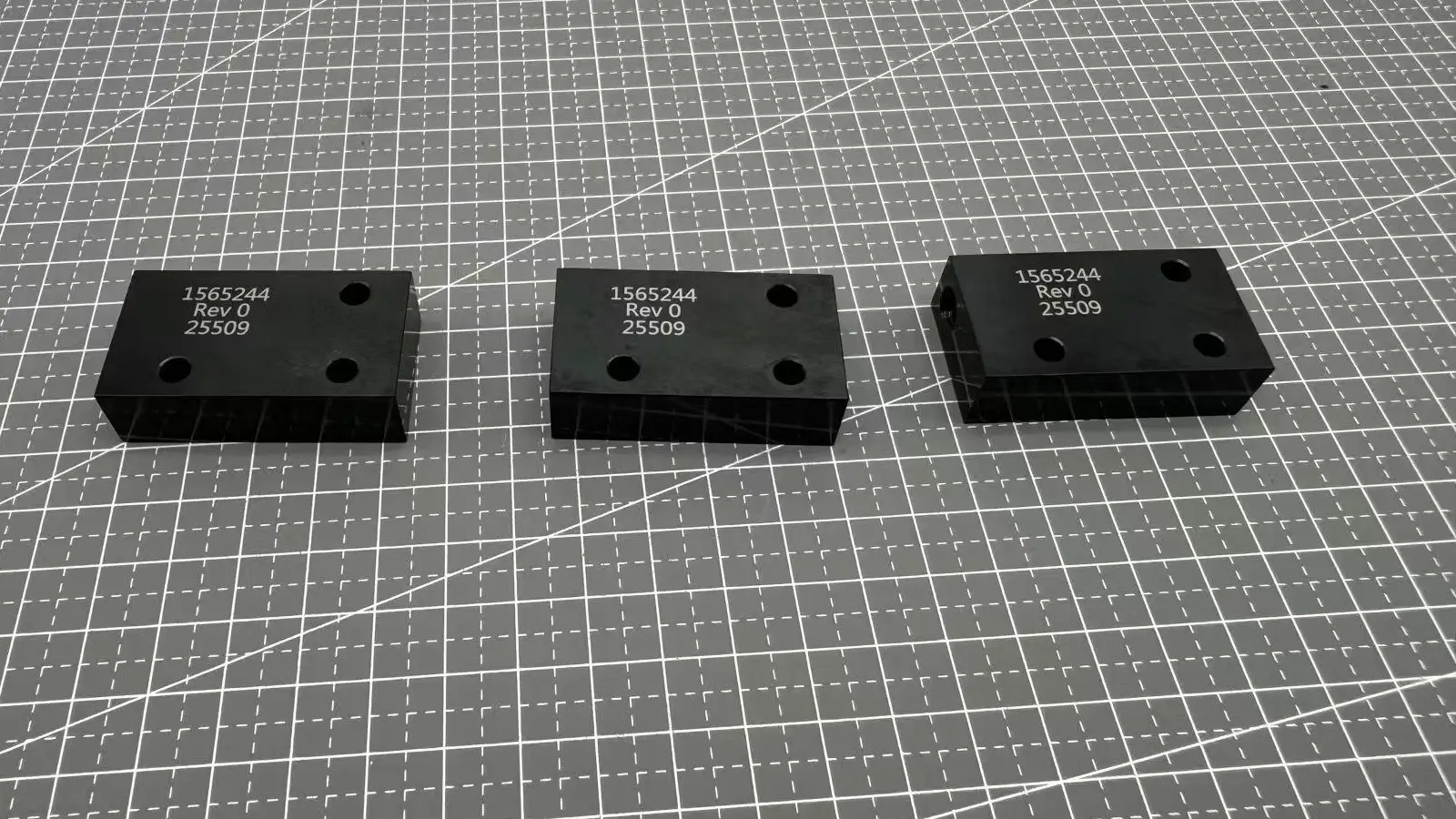
Black oxide’s advantages are its very low cost, no dimensional change, and no risk of hydrogen embrittlement.
Black oxide is suitable for 4140 tooling components, fasteners, firearm parts, and automotive interior parts.
Nitriding is a very typical surface hardening process for 4140 and often yields the highest technical value.
The finished 4140 part is placed in a nitrogen-bearing medium (typically ammonia gas or a salt bath) and heated to 500-550°C (930-1020°F), allowing nitrogen atoms to diffuse into the steel surface, forming an extremely hard nitride layer.
After nitriding, the surface of the 4140 part can reach HV 500-800 (approx. 44-56 HRC), with a case depth typically between 0.1-0.5mm (0.004-0.020″).
Key advantages of nitriding: The low processing temperature results in minimal part distortion, making it ideal for precision parts like gears, shafts, hydraulic components, and moving parts requiring high wear resistance.
The nitrided surface has a matte gray appearance and cannot be machined further; the process must be done after final machining.
Nitriding can be performed as gas nitriding or salt bath nitrocarburizing.
4140 parts can be hard chrome plated when extremely high wear resistance is required or when worn dimensions need to be restored.
Chrome Plating thickness: Flash plating is typically <5 microns, conventional plating is 5-10 microns (0.0002-0.0004″).
Hardness: Approx. 750 HV or higher.
4140 Hard Chrome Plating features: Extremely hard, low coefficient of friction. Suitable for hydraulic cylinder piston rods, mold guide pins.
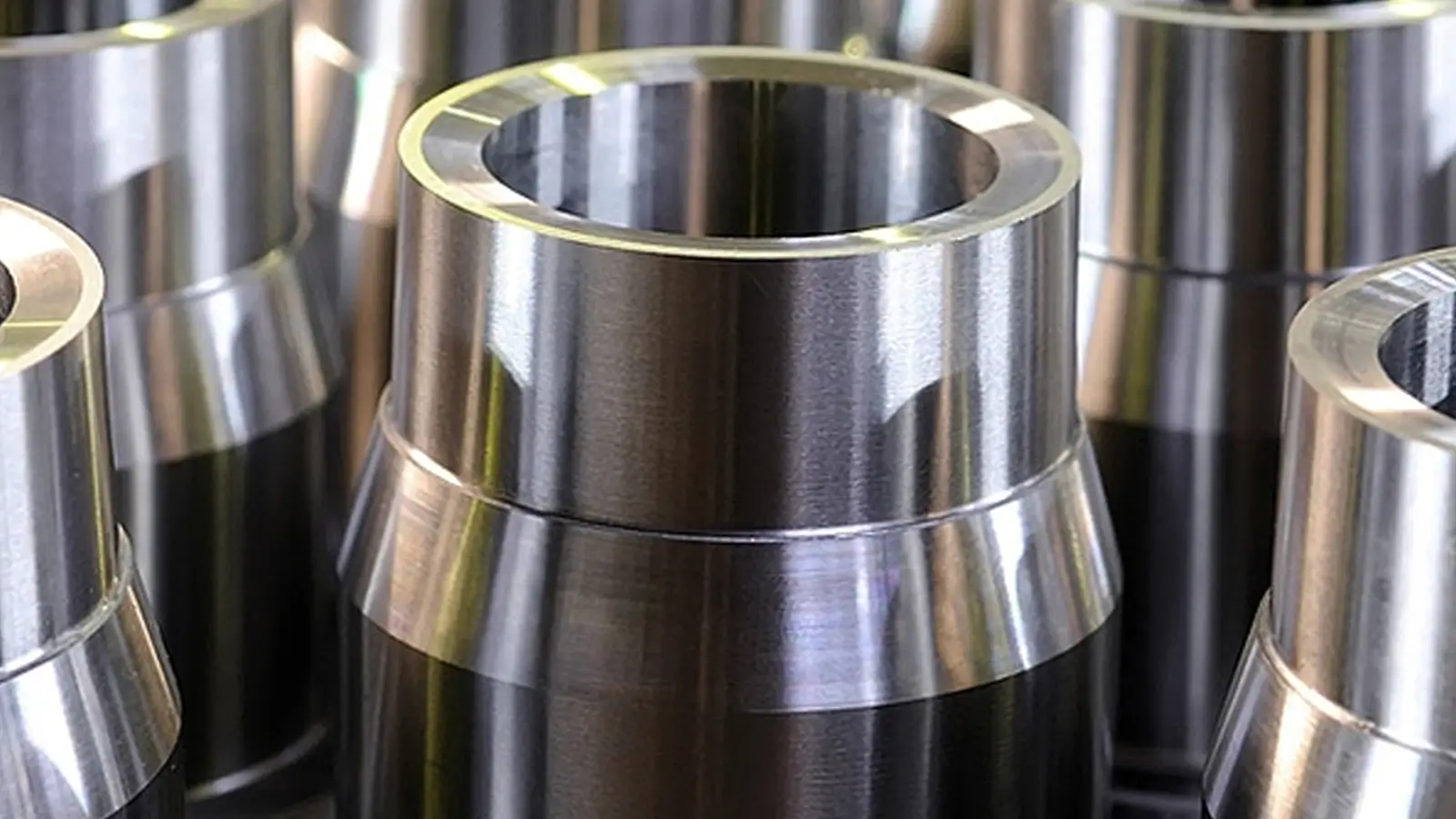
Note: Deep holes and internal cavities are difficult to plate uniformly. Chrome plating introduces a risk of hydrogen embrittlement; high-strength steels like 4140 must undergo a de-embrittlement baking process (190-220°C / 375-430°F) shortly after plating.
When alloy steel parts require a higher level of corrosion protection, nickel plating is often the preferred surface finish.
This process mainly comes in two types: Electrolytic nickel plating, which deposits a nickel layer electrolytically for a bright appearance; and electroless nickel plating, which deposits chemically for exceptionally uniform thickness, ideal for complex internal cavities and blind holes.
Typical plating thickness ranges from 0.00005-0.001 inches (approx. 0.00127-0.0254 mm). In terms of hardness, electrolytic nickel is about 500 HV, while electroless nickel can reach 1000 HV after heat treatment, providing excellent wear resistance.
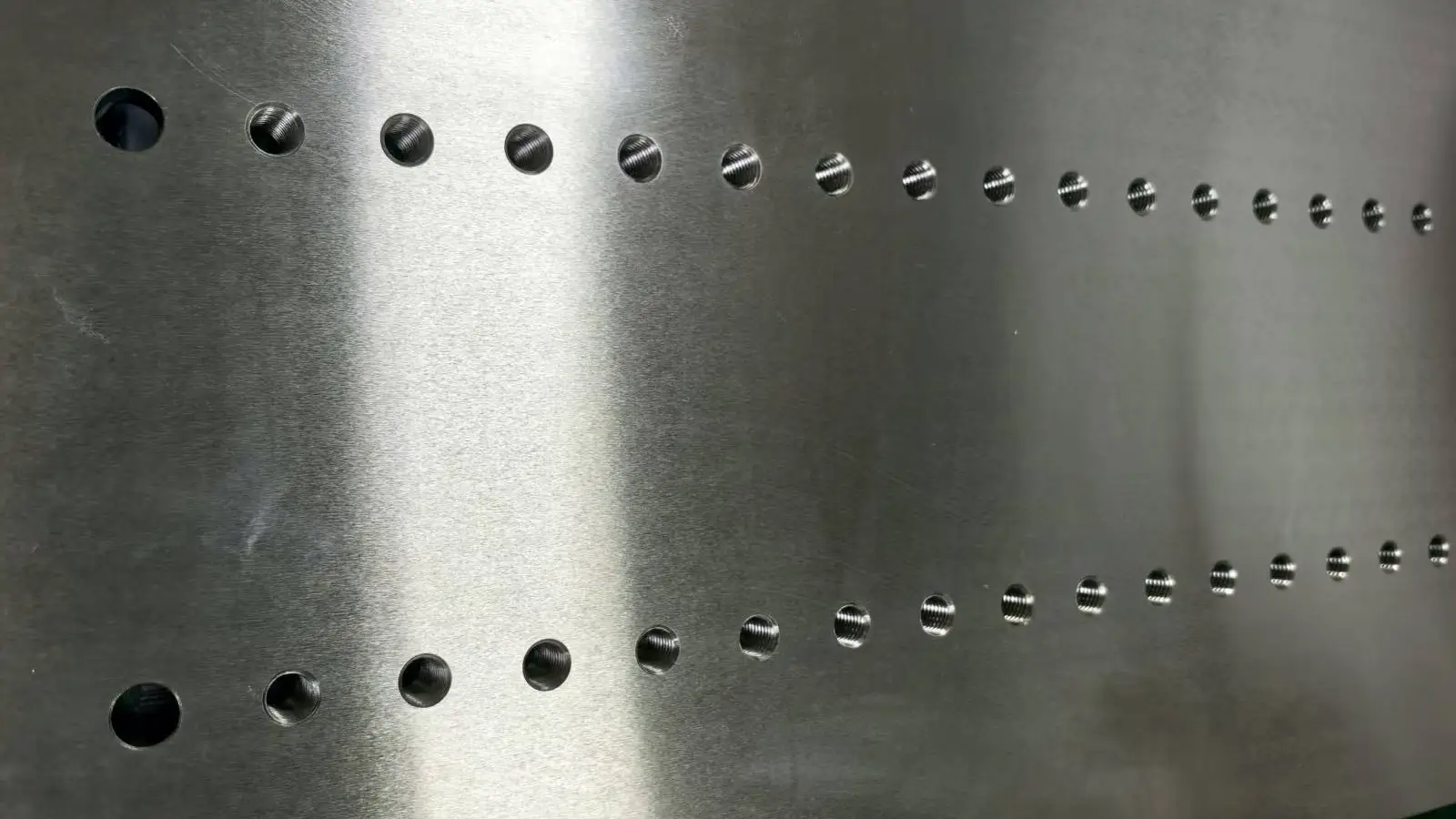
The key advantages of nickel plating are excellent corrosion resistance, good wear resistance, and an aesthetically pleasing finish. Therefore, it is widely used for parts exposed to humid environments, food machinery components, and industrial parts where appearance matters.
Zinc plating is another common corrosion-resistant finish, typically lower in cost than nickel plating, making it widespread for general industrial parts.
This process electrodeposits a layer of zinc onto the 4140 steel surface. Different appearances like blue/clear, yellow, or black zinc can be chosen based on requirements.
In terms of application, zinc plating is widely used for general industrial fasteners, various brackets, and housing parts, offering a cost-effective corrosion protection choice.
For high-strength 4140 parts, attention must be paid to the risk of hydrogen embrittlement. A de-embrittlement baking process is typically required.
Phosphate coating is a common anti-rust and lubricating surface treatment for 4140.
By forming a layer of phosphate crystal on the steel surface, it improves the part’s corrosion resistance and also provides good lubricity, making it ideal for mechanical parts that require assembly or sliding/mating surfaces.
The phosphated surface is typically gray or black.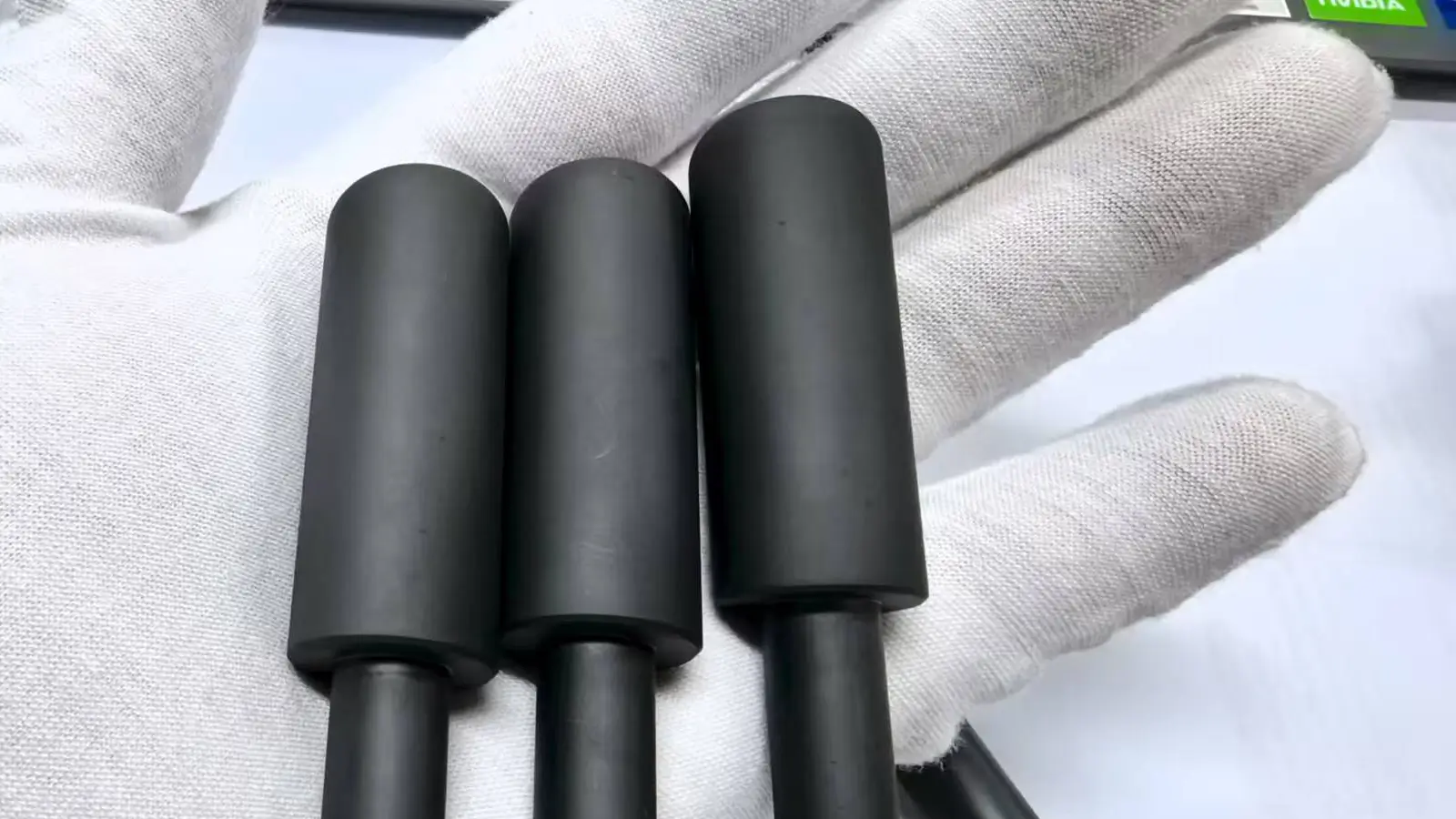
It is widely used on fasteners, mechanical assembly components, and some industrial structural parts, such as transmission gears, sliding fit components, and parts requiring initial break-in.
Powder coating is an ideal surface finish choice when 4140 parts are large or require a thick, durable protective layer.
This process involves electrostatically applying thermosetting powder to the workpiece surface, which is then cured under high heat to form a dense protective coating.
Coating thickness is typically 0.15-0.3mm (150-300 microns / 6-12 mils), offering excellent hardness and impact resistance.
There are two key considerations when applying powder coating:
First, due to the significant coating thickness, allowance must be made during the design phase, typically 0.15-0.2mm (6-8 mils) per side.
Second, the high curing temperature (approx. 180-200°C / 360-390°F) could potentially affect the base hardness of 4140; if the part has already been quenched and tempered to a hardness above 30 HRC, it’s necessary to confirm that the curing temperature will not cause tempering/softening.
In terms of applications, powder coating is widely used for large structural parts, enclosures, and outdoor equipment, providing excellent corrosion protection and an attractive aesthetic finish.
Based on our experience with orders from European and American customers, both 4140PH and heat-treated 4140 are commonly used.
If a customer requires a hardness of around 30 HRC, we usually first check whether they can accept 4140PH. If acceptable, this can save both heat treatment and finishing time, helping to reduce costs.
For any questions regarding 4140 in CNC machining, please feel free to contact us. We are open to discussion and happy to provide advice
A1: First, its excellent combination of mechanical properties.
4140 offers a rare balance: high strength (tensile strength up to 1080 MPa+) + good toughness + good wear resistance. This combination makes it suitable for parts needing to withstand both high loads and impact.
Second, its excellent heat treatment flexibility.
4140 responds very well to heat treatment, allowing a wide range of hardness levels (from 25 HRC to 50+ HRC) to be achieved through different processes, meeting various application needs. This allows one material to cover multiple use cases.
Third, its broad application coverage.
From automotive transmission gears and drive shafts to aerospace landing gear components, from oil drill pipe joints to heavy machinery spindles, 4140 is nearly ubiquitous. This “one-steel-fits-many” characteristic simplifies supply chain management.
Fourth, its good machinability-to-performance ratio.
While not the easiest material to machine, in the annealed state, its machinability is acceptable, yet the final properties achieved are far superior to plain carbon steel. This makes it one of the most cost-effective choices.
Fifth, its mature technical support system.
As a mature grade used for decades, there is a vast repository of well-established data on heat treatment parameters, cutting parameters, welding procedures, etc., for 4140, reducing technical risk.
A2: The machinability of 4140 depends on its delivery condition.
In the annealed condition, 4140 has good machinability, classed as a medium-ease material, suitable for large-scale roughing and stock removal.
However, in the pre-hardened condition (4140PH, approx. 28-32 HRC) or after heat treatment, machinability decreases significantly, placing higher demands on tool wear resistance and machine rigidity, and requiring adjusted cutting parameters.
Overall, 4140 is an alloy steel with good machinability, but the machining strategy must be selec.
A3: The hardness of 4140 steel depends entirely on its heat treatment state:
Annealed: Hardness approx. 197-223 HB (below 20 HRC). This is the softest state, facilitating machining.
Normalized: Hardness approx. 26-37 HRC, achieving a good balance of strength and toughness.
Pre-hardened (4140PH): Typical hardness 28-32 HRC. This is the most common state for direct machining.
As-Quenched: Hardness can reach 59-70 HRC, but toughness is low.
Quenched & Tempered (Q&T): Through quenching and high-temper tempering, a hardness range of 25-35 HRC can be achieved, balancing strength and toughness.
After Nitriding: Surface hardness can reach 500-800 HV (approx. 44-56 HRC).
A4: The preferred tools for machining 4140 are coated carbide tools.
Coatings such as TiAlN or AlTiN are recommended as they effectively insulate against cutting heat and extend tool life. For applications with extremely high finishing requirements, Cermet inserts can be considered.
Regarding tool geometry, inserts with chip breakers should be chosen; this is key to controlling chips from 4140. For drilling operations, carbide drills with through-coolant capability are recommended.
When machining in the pre-hardened state, ensuring rigid tool holding and minimizing overhang are equally important.
A5: The key advantages of 4140 alloy steel compared to other grades include:
Excellent combination of mechanical properties: Combines high strength, good toughness, and wear resistance, with tensile strength ranging from 655-1200+ MPa.
Excellent heat treatment response: Can achieve a wide hardness range from 20 HRC to 50+ HRC through different heat treatments, adapting to various applications.
Good machinability-to-performance ratio: Easy to machine in the annealed state, yet achieves far superior final properties compared to plain carbon steel.
Broad application coverage: From automotive transmission parts to aerospace structural components, from oil drill pipes to heavy machinery spindles – one material covers many scenarios.
Good cost-effectiveness: Offers an excellent performance-to-price ratio, making it an economical choice for medium-to-high stress components.
Good weldability: Can be welded using appropriate procedures (preheating), a characteristic not shared by many high-strength alloy steels.
A6: The main differences between hot-rolled and cold-finished 4140 bar stock:
Hot Rolled: Formed at high temperatures (above ~1700°F / 925°C). Lower cost, good formability, suitable as a starting state for rough machining.
Disadvantages include lower dimensional accuracy, a rough surface with scale, and slightly lower strength. Suitable for applications with looser tolerances like large structural parts, heavy machinery bases.
Cold Finished: Further processed at room temperature, improving dimensional accuracy and surface finish. Offers better tolerance control and a smoother surface. Strength is slightly higher than hot-rolled due to work hardening.
Disadvantages include higher cost, limited to smaller cross-sections, and slightly reduced ductility. Suitable for precision parts like gears, shafts, and components requiring tight tolerances.
A7: 4140 can be welded using all conventional methods, but special precautions are necessary as it is susceptible to cracking.
Preheating: For sections thicker than 1 inch (25mm), preheating to approximately 300°F (150°C) is essential to reduce the risk of cracking.
Filler Metal Selection: Low-alloy filler materials should be used, such as E7018 electrodes for SMAW or ER70S-6 wire for GMAW.
Heat Treatment State Consideration: If the material is already in a heat-treated and strengthened condition, welding will affect its mechanical properties in the heat-affected zone. Post-weld heat treatment or re-heat treatment might be necessary.
Post-Weld Heat Treatment: Stress relief is typically required after welding to eliminate residual stresses and restore toughness.
Heat Input Control: Maintain consistent travel speed and appropriate current settings to avoid overheating and excessive distortion.
Hydrogen Embrittlement Prevention: Ensure filler materials are dry and stored properly; use low-hydrogen electrodes to prevent hydrogen-induced cracking.
A8: The following methods are recommended for specifying hardness on drawings:
Specify Material Condition and Hardness Range Clearly: For example, state “Material: 4140PH or 42CrMo, Quenched & Tempered/Pre-hardened, Hardness HRC 28–32”.
Differentiate Requirements for Different Areas: If requirements differ between the core and surface, specify them separately. For example, “Surface nitrided, Hardness ≥ HV 550, Core Hardness HRC 28-32”.
Specify Testing Location and Method: Clearly indicate where to test (e.g., “at 5mm from surface”) and the test method (e.g., “Rockwell Hardness HRC Scale”).
Indicate if Stress Relief is Needed: Add a note if required, e.g., “Stress relief annealing required after rough machining”.

5-Axis CNC machining is a manufacturing process that uses computer numerical control systems to operate 5-axis CNC machines capable of moving a cutting tool or a workpiece along five distinct axes simultaneously.

China is the best country for CNC machining service considering cost, precision, logistic and other factors. Statistical data suggests that China emerges as the premier destination for CNC machining.

Selecting the right prototype manufacturing supplier in China is a critical decision that can significantly impact the success of your product development project.

Machining tolerances stand for the precision of manufacturing processes and products. The lower the values of machining tolerances are, the higher the accuracy level would be.